
Food and Dining in Uganda
May 6, 2026
How Does Sustainable Tourism Uganda Help Wildlife?
May 8, 2026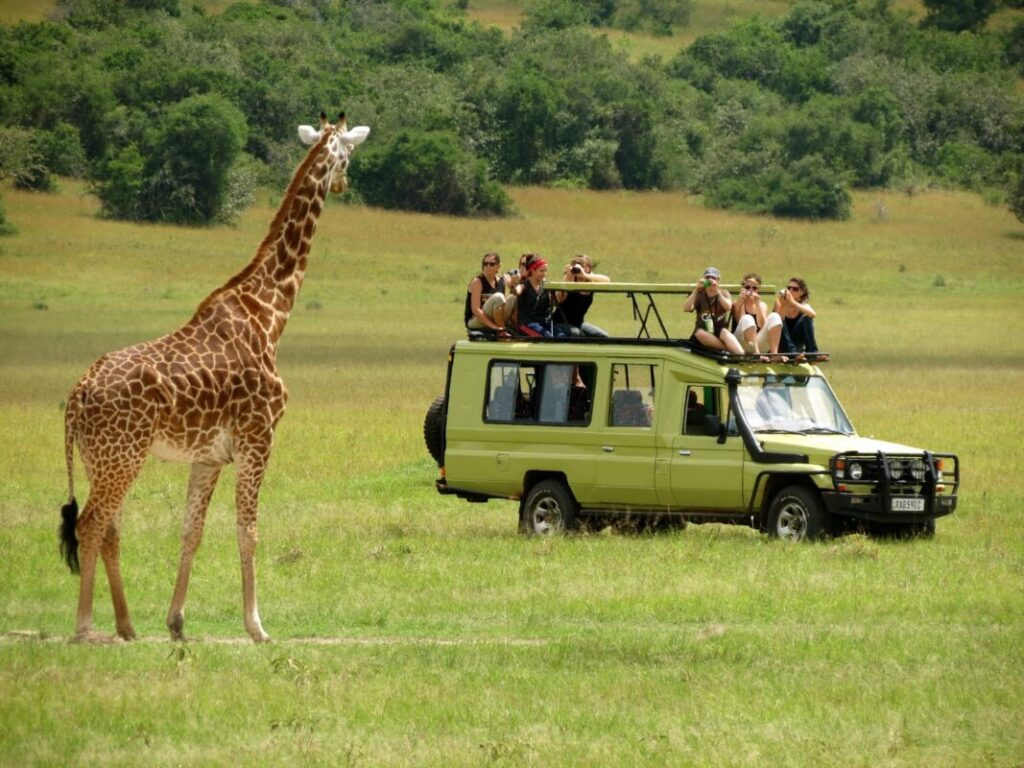
What Are Eco-Friendly Safaris Uganda?
Eco-Friendly Safaris Uganda are transforming the way travelers experience Africa by combining wildlife conservation, cultural preservation, and sustainable tourism practices into one meaningful journey. Across Uganda’s breathtaking landscapes, environmentally conscious safaris are creating opportunities for visitors to enjoy unforgettable adventures while protecting fragile ecosystems and empowering local communities. Unlike traditional travel experiences that may place pressure on natural habitats, Eco-Friendly Safaris Uganda focus on responsible tourism activities that support wildlife conservation, reduce environmental impact, and improve the livelihoods of people living near protected areas. As global travelers increasingly seek ethical and sustainable travel experiences, Uganda has emerged as one of Africa’s leading eco-tourism destinations because of its rich biodiversity, welcoming communities, and strong conservation efforts.
Throughout Uganda Safaris, visitors can explore pristine rainforests, expansive savannah plains, crater lakes, and wetlands while staying in eco-lodges designed to operate in harmony with nature. Several safari experiences now emphasize solar-powered accommodations, locally sourced food, plastic-free operations, and conservation-driven activities that directly benefit nearby communities. In addition, Eco-Friendly Safaris Uganda allow travelers to participate in authentic Uganda Cultural Safaris where local traditions, music, dance, storytelling, and crafts are respectfully preserved through tourism. Such experiences not only create memorable holidays but also contribute to long-term environmental sustainability and cultural protection.
Across East Africa, travelers often combine Uganda Best Safaris with neighboring wildlife adventures such as Uganda Great Migration Safaris linked to Kenya and Tanzania, where the famous Maasai People continue preserving their traditional lifestyle alongside wildlife conservation initiatives. Because sustainability has become essential in modern tourism, Eco-Friendly Safaris Uganda now attract birdwatchers, photographers, researchers, honeymooners, solo adventurers, and family travelers looking for responsible experiences. Moreover, Uganda Birding Safaris are increasingly popular among eco-conscious visitors because the country hosts over 1,000 bird species spread across protected forests, lakes, and wetlands. By choosing sustainable travel experiences, tourists actively support conservation programs that protect endangered wildlife including mountain gorillas, chimpanzees, elephants, lions, and rare birdlife. Eco-Friendly Safaris Uganda therefore provide more than a holiday because they create meaningful connections between nature, culture, conservation, and responsible travel.
Why Are Bwindi Impenetrable National Park Eco-Friendly Safaris Uganda So Popular?
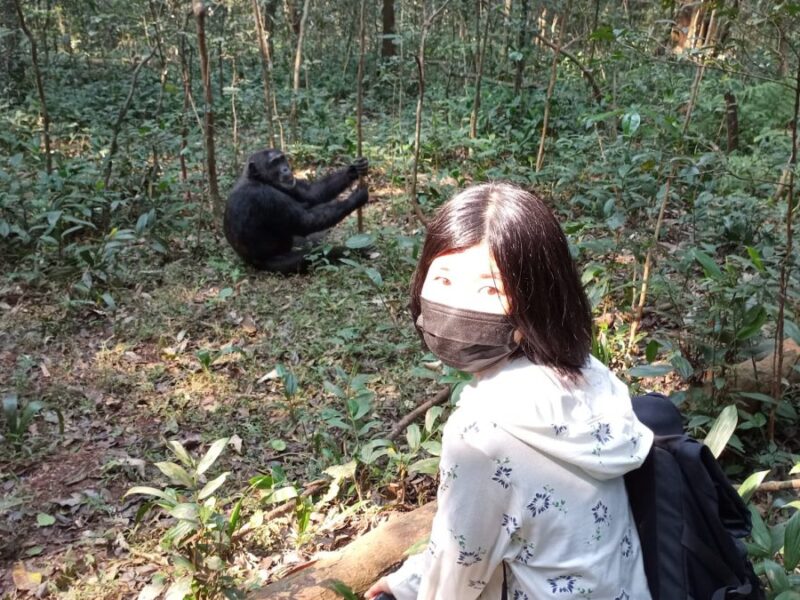
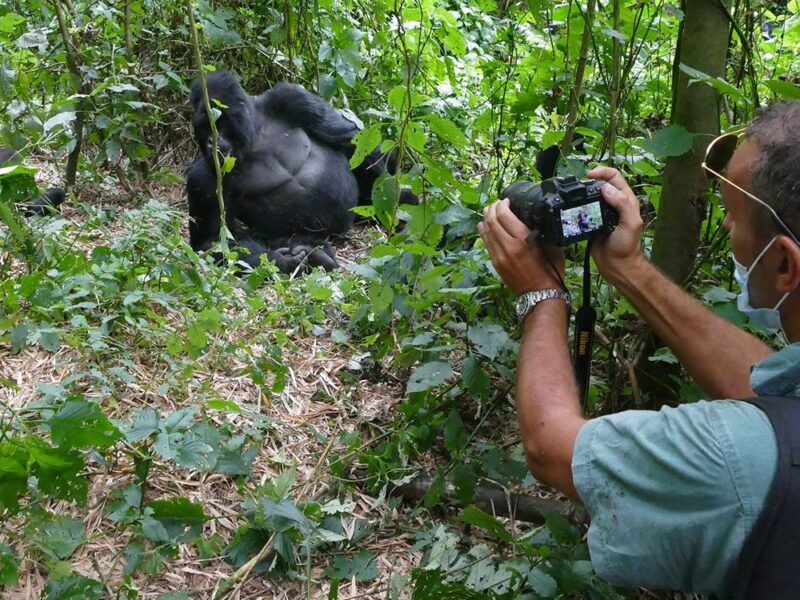
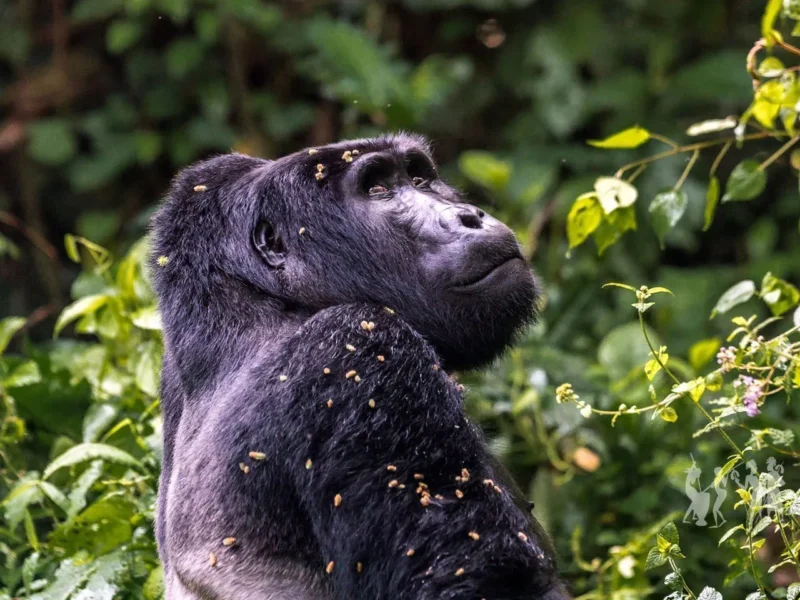
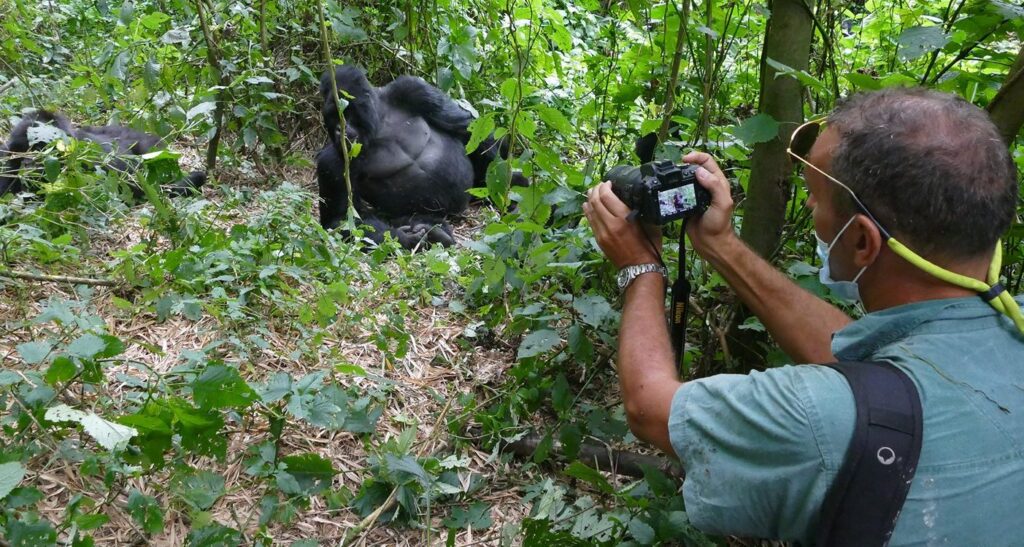
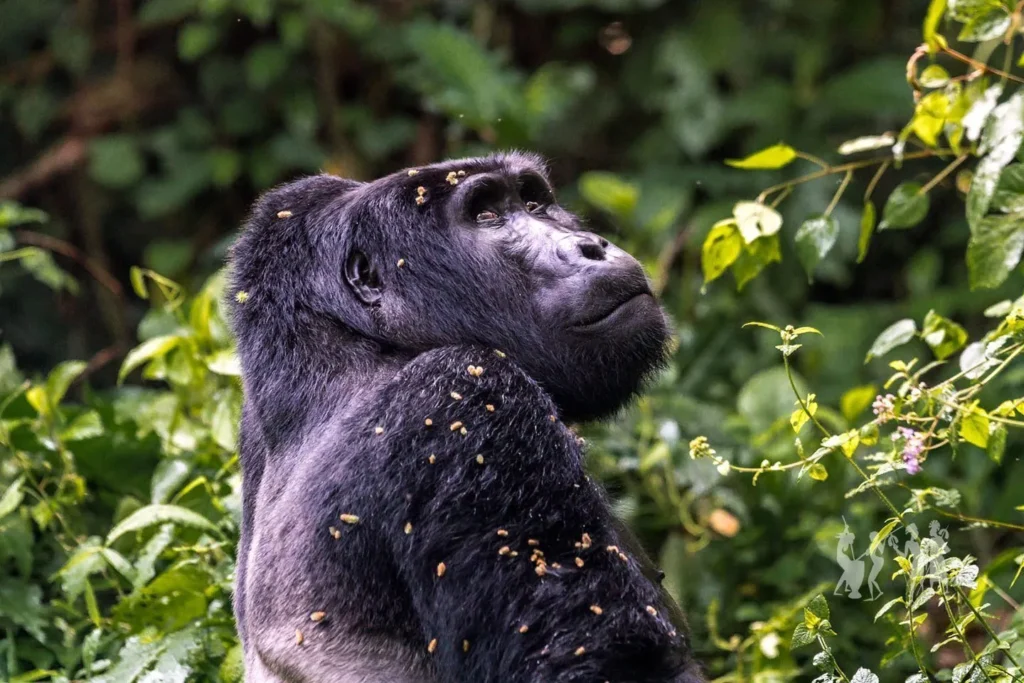
Bwindi Impenetrable National Park remains one of the most remarkable destinations for Eco-Friendly Safaris Uganda because of its extraordinary mountain gorilla conservation success and community-based tourism initiatives. Located in southwestern Uganda, this UNESCO World Heritage Site protects nearly half of the world’s remaining mountain gorillas within its ancient rainforest ecosystem. Every gorilla trekking permit purchased contributes directly to wildlife conservation, anti-poaching programs, ranger support, habitat protection, and local community development. Consequently, Eco-Friendly Safaris Uganda in Bwindi create a powerful balance between tourism and conservation while offering travelers one of the most emotional wildlife encounters in Africa.
Deep inside the forest, visitors experience guided gorilla trekking adventures led by trained rangers who prioritize both tourist safety and environmental protection. Strict visitor regulations including limited group sizes, controlled trekking hours, and respectful wildlife viewing practices help minimize disturbances to gorilla families. Furthermore, many eco-lodges surrounding Bwindi operate sustainable tourism programs that support reforestation projects, local schools, women’s groups, and community health services. Several accommodations also use renewable energy systems, rainwater harvesting techniques, and environmentally friendly waste management practices to reduce ecological impact.
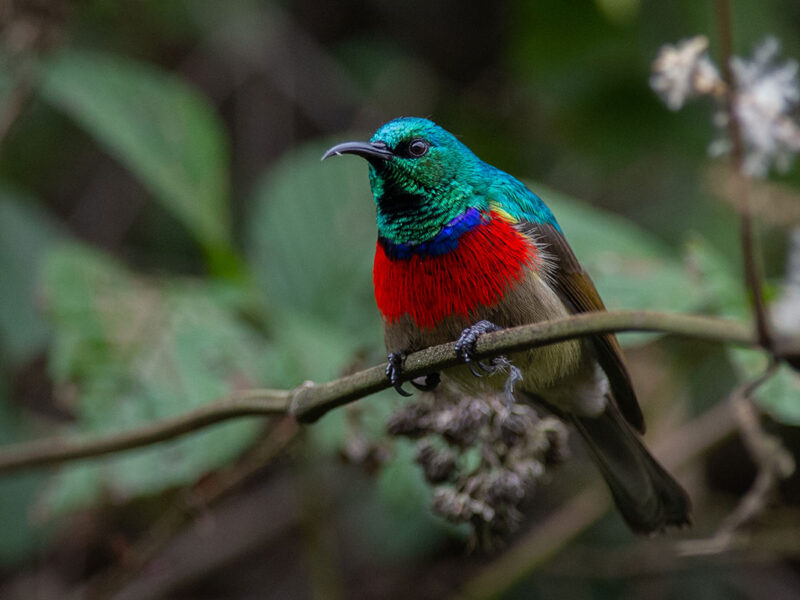
Beyond gorilla trekking, Eco-Friendly Safaris Uganda in Bwindi include exceptional Uganda Birding Safaris where travelers search for Albertine Rift endemic species within dense montane forests. Rare birds such as the African green broadbill, Shelley’s crimsonwing, and handsome francolin attract international bird enthusiasts seeking sustainable wildlife experiences. Cultural encounters with the Batwa community further enrich Uganda Cultural Safaris because visitors learn about indigenous forest traditions, medicinal plants, hunting practices, music, and storytelling that once defined life inside the rainforest.
Many travelers also combine Bwindi gorilla trekking with Uganda Best Safaris in savannah parks or even Uganda Great Migration Safaris in neighboring Kenya and Tanzania. Such combinations allow visitors to experience both rainforest conservation and East Africa’s iconic wildlife spectacles while learning about the conservation contributions of the Maasai People and other indigenous communities. Eco-Friendly Safaris Uganda in Bwindi therefore represent an extraordinary model of responsible tourism where wildlife protection, community empowerment, and unforgettable safari experiences work together for future generations.
How Does Queen Elizabeth National Park Support Eco-Friendly Safaris Uganda?
Queen Elizabeth National Park stands among the finest destinations for Eco-Friendly Safaris Uganda because of its incredible biodiversity, conservation partnerships, and sustainable tourism opportunities. Stretching across western Uganda between Lake Edward and Lake George, this scenic park features savannah plains, wetlands, crater lakes, forests, and the famous Kazinga Channel ecosystem. Travelers visiting this protected area enjoy environmentally responsible game drives, community experiences, and wildlife conservation activities that contribute significantly to preserving Uganda’s natural heritage.
Inside the park, Eco-Friendly Safaris Uganda provide opportunities to observe elephants, buffaloes, hippos, leopards, hyenas, antelopes, and the famous tree-climbing lions of Ishasha. Sustainable safari operators promote responsible wildlife viewing practices that minimize environmental disruption while educating visitors about conservation challenges affecting African wildlife. Additionally, eco-conscious lodges surrounding Queen Elizabeth National Park often employ local residents, support nearby farmers, and invest in renewable energy technologies that reduce carbon emissions.
Water-based experiences along the Kazinga Channel form another major highlight of Eco-Friendly Safaris Uganda within this region. Guided boat safaris allow tourists to observe aquatic wildlife and bird species without causing habitat destruction. As a result, Uganda Birding Safaris in Queen Elizabeth National Park attract birdwatchers from around the world because the park hosts over 600 recorded bird species including pelicans, African fish eagles, shoebills, kingfishers, and flamingos in certain seasons.
Cultural tourism initiatives surrounding the park also strengthen Uganda Cultural Safaris by introducing travelers to local fishing communities, traditional dance performances, craft-making projects, and storytelling experiences. Revenue generated through tourism supports schools, health centers, conservation education, and women’s empowerment groups throughout nearby villages. Furthermore, travelers can combine Queen Elizabeth National Park with Bwindi gorilla trekking to create comprehensive Eco-Friendly Safaris Uganda that showcase both primate adventures and classic African wildlife encounters.
International tourists often extend their journeys further into East Africa by connecting Uganda Best Safaris with Uganda Great Migration Safaris across the Serengeti and Maasai Mara ecosystems. Such safaris also introduce visitors to the Maasai People whose conservation-centered traditions continue shaping sustainable tourism across the region. Through responsible travel planning, Queen Elizabeth National Park demonstrates how Eco-Friendly Safaris Uganda can successfully protect biodiversity while benefiting surrounding communities and delivering exceptional safari experiences.
What Makes Murchison Falls National Park Ideal for Eco-Friendly Safaris Uganda?
Murchison Falls National Park offers one of the most diverse Eco-Friendly Safaris Uganda experiences because of its spectacular landscapes, thriving wildlife populations, and growing conservation-focused tourism initiatives. Situated in northwestern Uganda, this iconic destination is home to the powerful Murchison Falls where the Nile River forces through a narrow rocky gorge before crashing dramatically below. Sustainable tourism programs within the park help preserve delicate ecosystems while supporting conservation education and community development projects across neighboring regions.
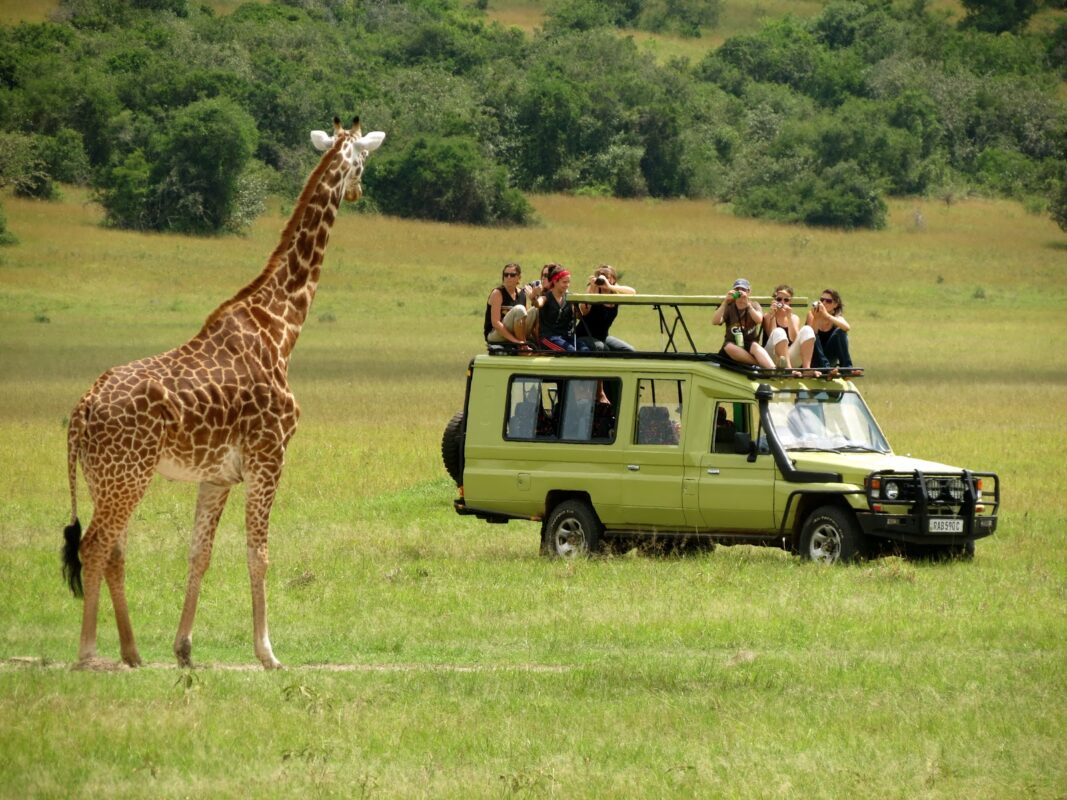
Game drives across the park’s vast savannah landscapes provide opportunities to encounter giraffes, elephants, lions, hartebeests, buffaloes, and numerous antelope species within their natural habitats. Responsible safari operators prioritize low-impact tourism practices by following designated routes, respecting wildlife behavior, and supporting anti-poaching initiatives managed by conservation authorities. Consequently, Eco-Friendly Safaris Uganda in Murchison Falls contribute significantly to wildlife protection and habitat restoration programs.
Boat cruises along the Nile River remain among the park’s most eco-friendly activities because they allow visitors to observe hippos, crocodiles, elephants, and waterbirds with minimal environmental disturbance. Uganda Birding Safaris within Murchison Falls are equally rewarding because the area shelters hundreds of bird species including the rare shoebill stork, Abyssinian ground hornbill, goliath heron, and secretary bird. Expert birding guides enhance these sustainable experiences by educating travelers about habitat conservation and species protection.
Several community tourism projects surrounding the park also enrich Uganda Cultural Safaris through village walks, traditional cooking experiences, dance performances, and local handicraft markets. Such initiatives ensure tourism revenue directly benefits local families while preserving cultural heritage for future generations. Moreover, environmentally responsible accommodations within the region increasingly adopt solar energy systems, sustainable architecture, and eco-friendly waste management practices that align with modern conservation standards.
Travelers planning longer East African journeys frequently combine Murchison Falls with Bwindi gorilla trekking or Uganda Great Migration Safaris across Kenya and Tanzania. During these regional experiences, interactions with the Maasai People offer deeper understanding of indigenous conservation traditions and sustainable pastoral lifestyles. Eco-Friendly Safaris Uganda in Murchison Falls therefore create meaningful opportunities for responsible travel while showcasing Uganda’s incredible natural beauty and conservation achievements.
When Is the Best Time for Eco-Friendly Safaris Uganda?
Eco-Friendly Safaris Uganda can be enjoyed throughout the year because Uganda’s equatorial climate supports wildlife viewing, birdwatching, gorilla trekking, and cultural tourism in every season. Nevertheless, the dry months between June and September as well as December to February are widely considered the best periods for Uganda Safaris because roads become more accessible and wildlife gathers near water sources for easier viewing. During these months, gorilla trekking trails in Bwindi become less slippery while game drives in Queen Elizabeth and Murchison Falls National Parks provide excellent photography opportunities.
Bird enthusiasts often prefer the wetter months from March to May and October to November because migratory species arrive across many ecosystems, making Uganda Birding Safaris especially rewarding. Lush green landscapes during rainy seasons also create stunning scenery for photographers and nature lovers seeking peaceful safari experiences with fewer crowds. Importantly, Eco-Friendly Safaris Uganda remain valuable year-round because sustainable tourism activities continue supporting conservation and local communities regardless of season.
Travelers interested in combining Uganda Best Safaris with Uganda Great Migration Safaris in Kenya or Tanzania should plan between July and October when wildebeest migration crossings occur in the Maasai Mara ecosystem. During these unforgettable journeys, tourists can also interact with the Maasai People while learning about traditional conservation practices deeply connected to East African wildlife protection.
Can You Combine Eco-Friendly Safaris Uganda with Gorilla Trekking?
Combining Eco-Friendly Safaris Uganda with mountain gorilla trekking creates one of Africa’s most rewarding sustainable travel experiences. Many travelers choose itineraries that connect Bwindi Impenetrable National Park with Queen Elizabeth National Park or Murchison Falls National Park to experience both primate encounters and traditional game viewing safaris within a single adventure. Such combinations provide exceptional opportunities to witness Uganda’s diverse ecosystems while supporting multiple conservation programs and community tourism initiatives.
Gorilla trekking enhances Uganda Best Safaris because visitors gain direct appreciation for endangered species conservation and responsible tourism management. Eco-conscious safari itineraries also include Uganda Cultural Safaris where travelers engage with local communities through cultural performances, storytelling, coffee tours, craft workshops, and traditional homestead visits. Uganda Birding Safaris can easily be added to these itineraries because many protected areas contain remarkable birdlife habitats suitable for beginner and experienced birdwatchers alike.
Extended East African itineraries may further combine Uganda Safaris with Uganda Great Migration Safaris in Kenya or Tanzania, creating comprehensive wildlife experiences across the region. Encounters with the Maasai People during migration safaris complement Uganda’s conservation narratives by demonstrating how indigenous communities continue contributing to sustainable tourism and wildlife protection throughout East Africa.
Why Choose Mooi Adventures for Eco-Friendly Safaris Uganda?
Mooi Adventures specializes in creating authentic Eco-Friendly Safaris Uganda that combine responsible tourism, conservation awareness, cultural respect, and unforgettable wildlife experiences. Every safari itinerary is carefully designed to support local communities, protect natural ecosystems, and deliver meaningful travel experiences tailored to modern international travelers. Through partnerships with eco-lodges, conservation organizations, local guides, and community tourism projects, Mooi Adventures ensures that tourism revenue contributes directly to sustainable development initiatives across Uganda.
Unlike ordinary safari companies, Mooi Adventures emphasizes ethical travel practices that prioritize environmental responsibility and community empowerment. Professional safari guides provide expert knowledge about Uganda’s wildlife, bird species, ecosystems, conservation challenges, and cultural traditions while ensuring visitor safety and comfort throughout every journey. Additionally, customized itineraries allow travelers to combine Uganda Safaris, Uganda Birding Safaris, Uganda Cultural Safaris, gorilla trekking adventures, and Uganda Great Migration Safaris into one seamless East African experience.
Through carefully planned community visits, travelers also gain opportunities to interact respectfully with local families, artisans, conservation workers, and indigenous groups whose livelihoods benefit from sustainable tourism. Similar conservation values are shared across East Africa among communities including the Maasai People who continue protecting wildlife habitats alongside tourism development. By choosing Mooi Adventures, travelers actively participate in preserving Africa’s natural beauty while supporting long-term conservation goals and community wellbeing.
Mooi Adventures: Supporting Local Communities Through Group Safaris
Mooi Adventures proudly promotes Eco-Friendly Safaris Uganda that inspire responsible travel, conservation awareness, and cultural appreciation across East Africa. Every safari experience is designed to create positive environmental and social impact while delivering unforgettable wildlife encounters for global travelers seeking authentic African adventures. Through sustainable tourism partnerships, conservation support programs, and community empowerment initiatives, Mooi Adventures continues strengthening its reputation as a trusted and reliable source for Uganda Safaris and East African tourism experiences.