What Are Eco-Friendly Safaris Uganda?
May 8, 2026
Why Are Group Safaris Better?
May 8, 2026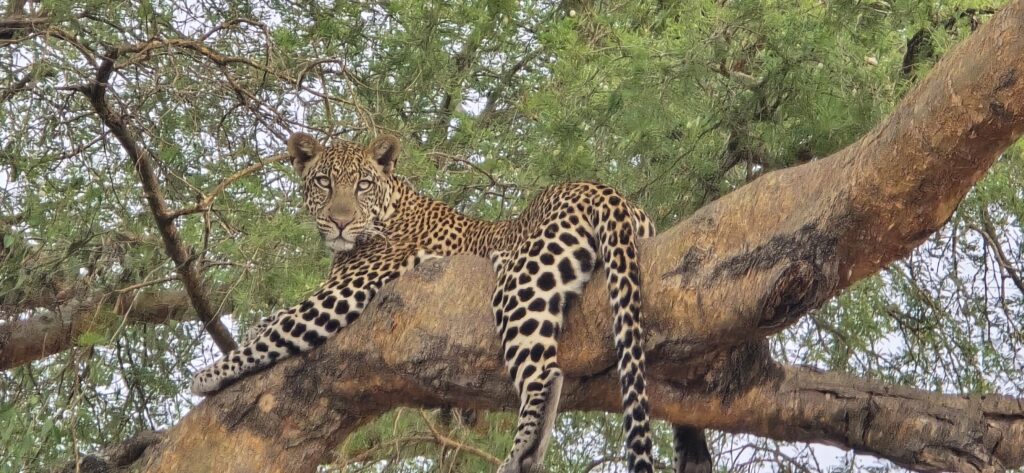
How Does Sustainable Tourism Uganda Help Wildlife?
How Does Sustainable Tourism Uganda Help Wildlife? Sustainable Tourism Uganda has become one of the strongest pillars supporting wildlife conservation, community development, and responsible travel across East Africa. As travelers increasingly seek meaningful safari experiences that protect nature while benefiting local people, Uganda continues positioning itself among the leading eco-conscious destinations on the African continent. Through carefully managed Uganda Safaris, conservation partnerships, eco-friendly lodges, and community tourism initiatives, Sustainable Tourism Uganda creates long-term solutions that help preserve endangered species and fragile ecosystems for future generations. Unlike uncontrolled tourism activities that may damage habitats or disturb wildlife populations, sustainable travel encourages responsible exploration while directly funding conservation efforts within protected areas.
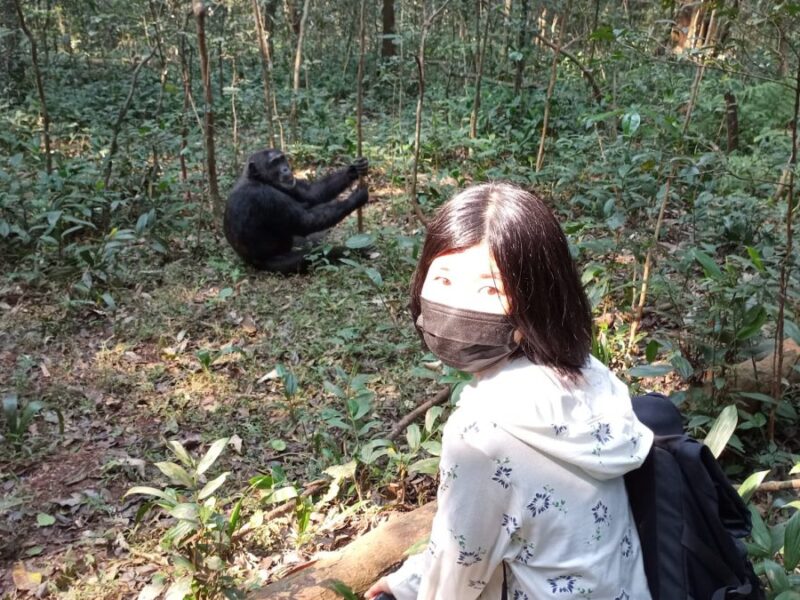
Across Uganda’s national parks and wildlife reserves, tourism revenue contributes significantly to anti-poaching operations, ranger training, habitat restoration, wildlife monitoring, and environmental education programs. Every gorilla trekking permit, birding excursion, game drive, and cultural safari experience generates income that supports conservation authorities responsible for protecting Uganda’s rich biodiversity. Consequently, Sustainable Tourism Uganda plays a major role in safeguarding mountain gorillas, chimpanzees, elephants, lions, giraffes, rare antelope species, and hundreds of bird species found throughout the country’s unique ecosystems.
Beyond wildlife protection, Sustainable Tourism Uganda also strengthens Uganda Cultural Safaris by empowering local communities living near conservation areas. Villages surrounding national parks now benefit from employment opportunities, educational support, healthcare projects, and small business development linked directly to tourism activities. Community involvement in conservation reduces human-wildlife conflict because local residents recognize the economic value of protecting natural resources. Furthermore, eco-conscious safari operators promote environmentally friendly practices such as solar energy use, waste reduction, water conservation, and sustainable construction methods that minimize ecological damage.
International travelers searching for Uganda Best Safaris often combine wildlife adventures with Uganda Birding Safaris, cultural encounters, and even Uganda Great Migration Safaris across neighboring Kenya and Tanzania. During these extended journeys, visitors may also learn about the Maasai People and their traditional conservation practices that coexist with East Africa’s wildlife ecosystems. Sustainable Tourism Uganda therefore represents more than responsible travel because it actively creates a future where conservation, culture, tourism, and community wellbeing grow together in harmony.
How Does Sustainable Tourism Uganda Protect Mountain Gorillas in Bwindi Impenetrable National Park?
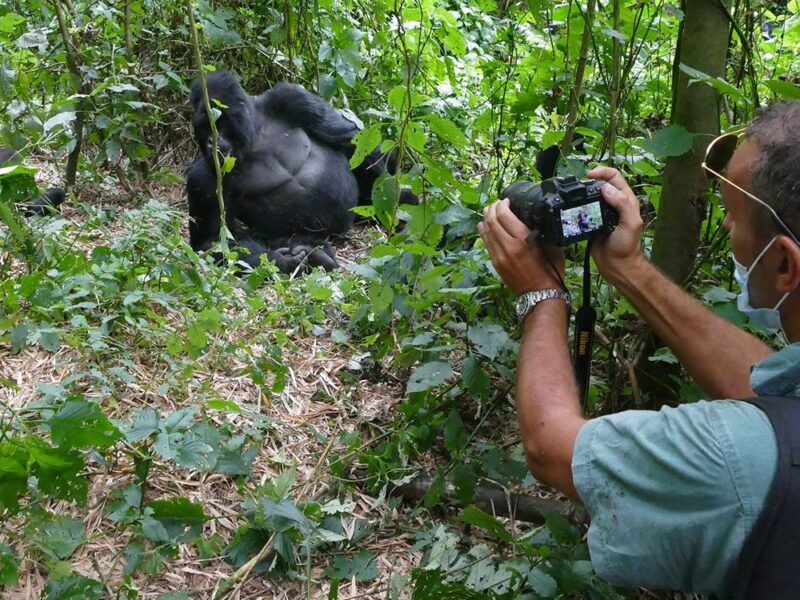
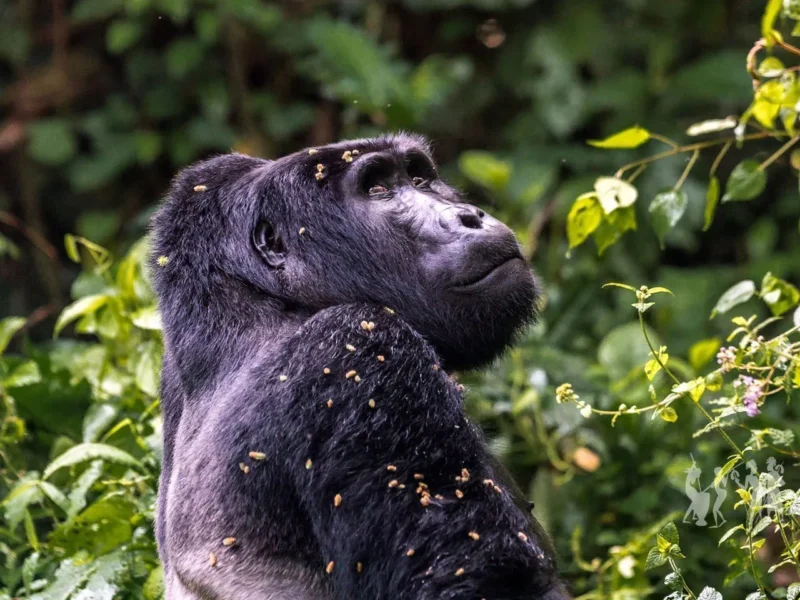
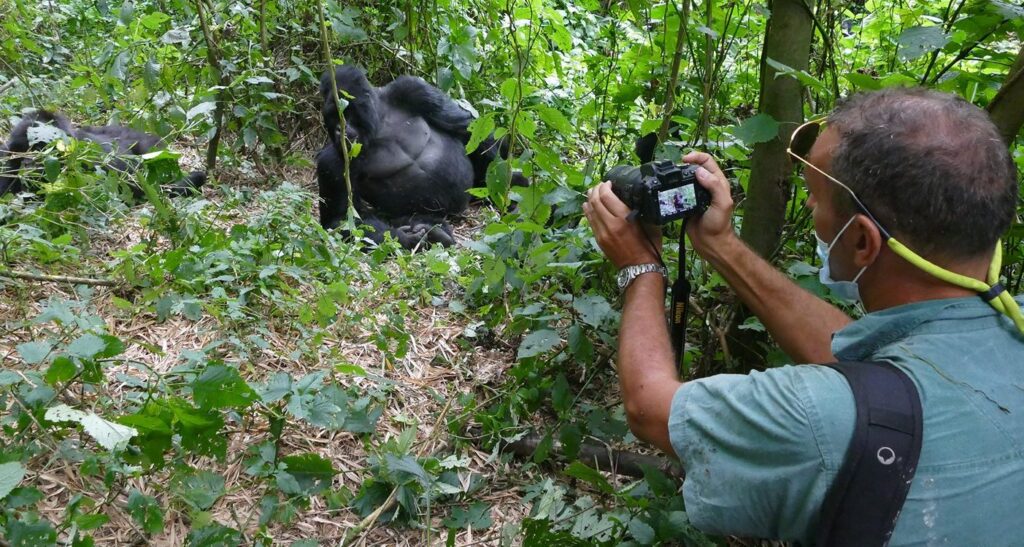
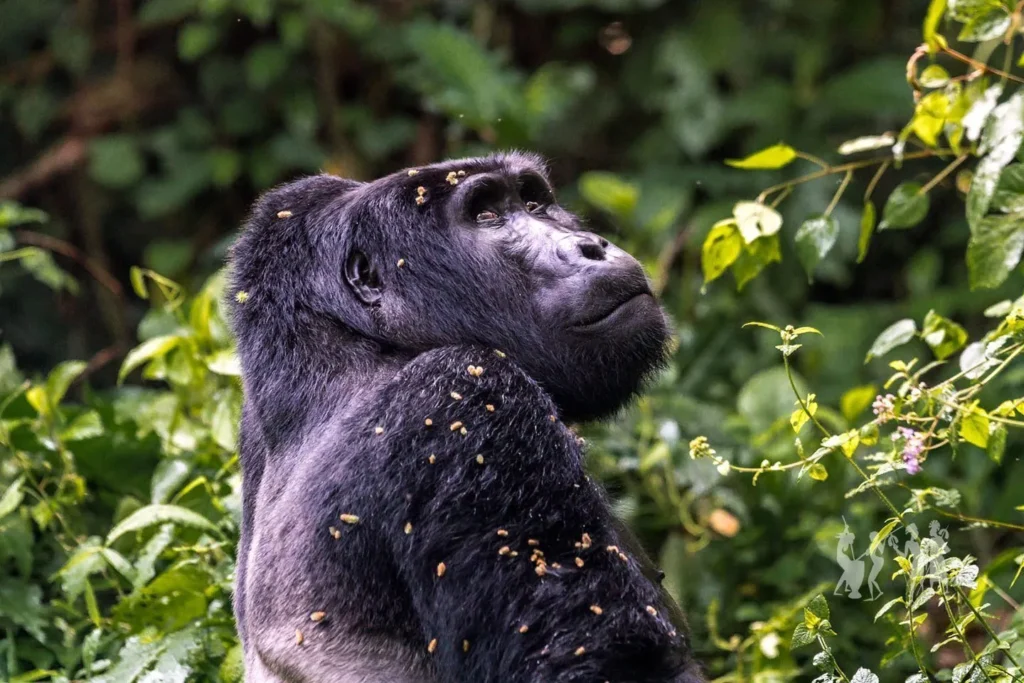
Bwindi Impenetrable National Park stands as one of the greatest examples of how Sustainable Tourism Uganda helps wildlife conservation while delivering life-changing safari experiences. Hidden within southwestern Uganda’s mist-covered mountains, this UNESCO World Heritage Site protects nearly half of the world’s remaining mountain gorillas. Tourism revenue generated from gorilla trekking permits directly funds conservation activities that safeguard these endangered primates and their rainforest habitat. Through carefully controlled visitor policies, Sustainable Tourism Uganda ensures gorilla tourism remains environmentally responsible while supporting local livelihoods and scientific research programs.
Inside Bwindi’s dense forest, gorilla trekking experiences are managed under strict regulations designed to minimize human impact on wildlife. Only a limited number of tourists are allowed to visit each gorilla family daily, helping reduce stress and disease transmission among the animals. Trained guides and park rangers monitor gorilla behavior continuously while educating visitors about conservation ethics and responsible wildlife interactions. As a result, Sustainable Tourism Uganda has contributed greatly to the gradual increase in mountain gorilla populations over recent decades.
Surrounding communities also benefit enormously from conservation tourism in Bwindi. Revenue-sharing initiatives support schools, healthcare facilities, road improvements, clean water projects, and women’s empowerment groups in villages neighboring the park. Such programs encourage local residents to protect gorillas and forests instead of relying on illegal hunting or deforestation activities for survival. Additionally, many eco-lodges operating around Bwindi prioritize sustainable architecture, renewable energy systems, local employment, and environmentally friendly waste management practices.
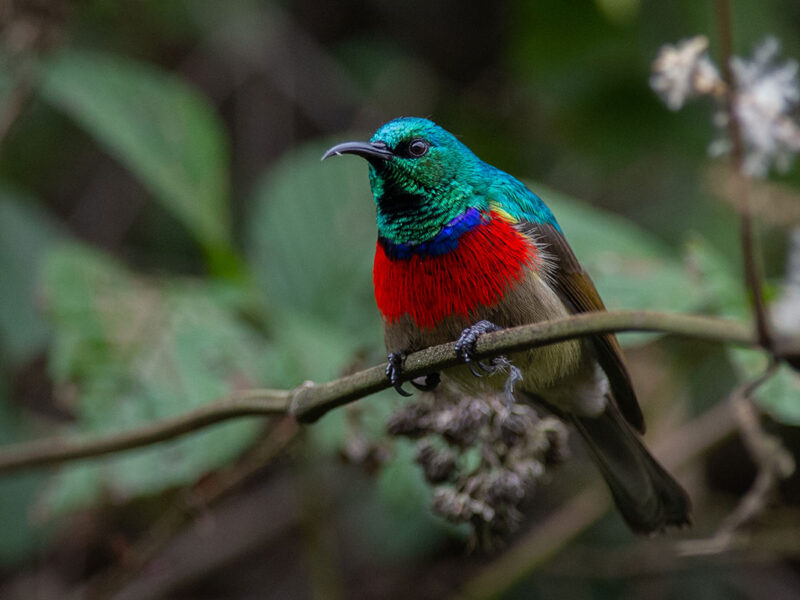
Besides gorilla trekking, Sustainable Tourism Uganda supports Uganda Birding Safaris within Bwindi’s biodiverse rainforest ecosystem. Bird enthusiasts travel from around the world to search for Albertine Rift endemic species including the African green broadbill and Shelley’s crimsonwing. Cultural interactions with the Batwa community further enrich Uganda Cultural Safaris by preserving indigenous knowledge, music, storytelling traditions, and forest heritage. Many travelers also combine Bwindi adventures with Uganda Great Migration Safaris in Kenya or Tanzania, where encounters with the Maasai People provide additional insights into community-led conservation across East Africa. Sustainable Tourism Uganda in Bwindi therefore demonstrates how responsible travel can successfully protect endangered wildlife while transforming local communities positively.
Why Does Queen Elizabeth National Park Benefit from Sustainable Tourism Uganda?
Queen Elizabeth National Park remains one of the finest destinations where Sustainable Tourism Uganda actively supports wildlife conservation, environmental protection, and community development. Located in western Uganda, this remarkable protected area contains diverse ecosystems including savannah plains, crater lakes, forests, wetlands, and the Kazinga Channel waterway. Through sustainable safari operations, tourism revenue helps preserve these habitats while funding conservation programs that protect some of Africa’s most iconic wildlife species.
Game drives within Queen Elizabeth National Park allow visitors to observe elephants, buffaloes, lions, leopards, hyenas, and Uganda kob antelopes in their natural environment. Responsible tourism practices ensure safari vehicles follow designated routes, maintain respectful wildlife viewing distances, and avoid damaging fragile ecosystems. Such measures reduce environmental pressure while enabling travelers to experience authentic Uganda Safaris that support conservation rather than exploitation. Furthermore, anti-poaching patrols financed through tourism revenue help safeguard endangered wildlife populations from illegal hunting activities.
Boat safaris along the Kazinga Channel also showcase how Sustainable Tourism Uganda balances tourism with environmental protection. Guided excursions introduce visitors to hippos, crocodiles, aquatic birds, and large concentrations of animals gathering along the shoreline without causing habitat destruction. Consequently, Uganda Birding Safaris in Queen Elizabeth National Park attract birdwatchers worldwide because the region hosts over 600 bird species including pelicans, kingfishers, fish eagles, and shoebill storks.
Community tourism projects surrounding the park significantly strengthen Uganda Cultural Safaris through village visits, traditional performances, craft-making workshops, storytelling sessions, and cultural exchange experiences. Income generated from these activities improves household livelihoods while motivating communities to participate actively in wildlife conservation. Eco-lodges operating near the park increasingly embrace sustainable tourism practices including solar power usage, water recycling systems, and locally sourced building materials.
Travelers frequently combine Queen Elizabeth National Park with Bwindi gorilla trekking for a complete Sustainable Tourism Uganda itinerary featuring both savannah wildlife and rainforest adventures. Several visitors also extend their journeys into Kenya or Tanzania for Uganda Great Migration Safaris where interactions with the Maasai People highlight the importance of indigenous conservation traditions throughout East Africa. Sustainable Tourism Uganda in Queen Elizabeth National Park therefore proves that tourism can successfully protect biodiversity while benefiting both wildlife and local communities.
How Does Sustainable Tourism Uganda Support Wildlife in Murchison Falls National Park?
Murchison Falls National Park provides another exceptional example of how Sustainable Tourism Uganda contributes directly to wildlife conservation and habitat protection. Situated along the Nile River in northwestern Uganda, this spectacular destination combines dramatic landscapes, abundant wildlife, and environmentally responsible tourism activities that help preserve Uganda’s largest national park. Tourism income generated through park entrance fees, guided safaris, and eco-lodge accommodations supports ranger operations, conservation research, habitat restoration, and anti-poaching programs across the region.
Across Murchison Falls National Park, sustainable game drives allow travelers to encounter giraffes, elephants, lions, hartebeests, buffaloes, and numerous antelope species roaming freely across expansive savannah plains. Conservation-focused safari operators educate guests about responsible wildlife viewing practices while ensuring tourism activities remain environmentally sensitive. Such experiences help visitors understand the critical role Sustainable Tourism Uganda plays in protecting vulnerable ecosystems and endangered species populations.
Boat safaris along the Nile River represent another major conservation success linked to Sustainable Tourism Uganda. Guided cruises toward the base of Murchison Falls offer close encounters with crocodiles, hippos, elephants, and extraordinary birdlife without causing significant environmental disruption. Uganda Birding Safaris within the park attract nature enthusiasts searching for species such as the shoebill stork, Abyssinian ground hornbill, goliath heron, and secretary bird. Professional guides further enhance these experiences by sharing conservation knowledge and promoting bird habitat protection.
Nearby communities also benefit from tourism-related employment opportunities, cultural tourism projects, and local business growth connected to park activities. Uganda Cultural Safaris around Murchison Falls include traditional dance performances, handicraft markets, storytelling experiences, and village visits that preserve cultural heritage while improving household incomes. Eco-friendly lodges operating within the region increasingly adopt renewable energy systems, sustainable waste management practices, and environmentally conscious construction methods that align with global eco-tourism standards.
Many international visitors combine Murchison Falls adventures with Bwindi gorilla trekking and Uganda Great Migration Safaris across East Africa for a comprehensive wildlife journey. During migration safaris, tourists often engage with the Maasai People whose conservation-centered lifestyles contribute greatly to protecting wildlife habitats within Kenya and Tanzania. Sustainable Tourism Uganda in Murchison Falls therefore illustrates how responsible travel can create lasting environmental and economic benefits for both wildlife and local communities.
When Is the Best Time to Experience Sustainable Tourism Uganda?
Sustainable Tourism Uganda offers rewarding safari experiences throughout the year because Uganda’s tropical climate supports wildlife viewing, birdwatching, cultural tourism, and gorilla trekking during all seasons. Nevertheless, many travelers prefer visiting between June and September as well as December to February when dry weather conditions improve road accessibility and wildlife visibility. During these months, Uganda Safaris become especially enjoyable because animals gather around water sources while trekking trails remain easier to navigate.
Bird enthusiasts planning Uganda Birding Safaris often favor wetter months from March to May and October to November because migratory bird species arrive across Uganda’s forests, wetlands, and savannah ecosystems. Lush green landscapes during rainy seasons also provide breathtaking scenery for photography enthusiasts seeking immersive nature experiences. Importantly, Sustainable Tourism Uganda continues benefiting wildlife conservation and local communities regardless of travel season because tourism revenue supports year-round conservation operations.
Travelers wishing to combine Uganda Best Safaris with Uganda Great Migration Safaris in Kenya or Tanzania should consider visiting between July and October when dramatic wildebeest river crossings occur within the Maasai Mara ecosystem. During these unforgettable safari experiences, interactions with the Maasai People further enrich cultural understanding and conservation awareness across East Africa.
Can Sustainable Tourism Uganda Be Combined with Gorilla Trekking?
Combining Sustainable Tourism Uganda with mountain gorilla trekking creates one of the most unforgettable wildlife experiences available anywhere in Africa. Many travelers choose safari itineraries connecting Bwindi Impenetrable National Park with Queen Elizabeth National Park or Murchison Falls National Park to enjoy both primate adventures and classic game viewing safaris within a single journey. Such combinations allow visitors to experience Uganda’s extraordinary biodiversity while supporting conservation efforts across multiple protected areas.
Gorilla trekking experiences contribute directly to wildlife conservation because permit fees fund habitat protection, ranger salaries, veterinary programs, and local community development projects. Additionally, Sustainable Tourism Uganda itineraries often include Uganda Cultural Safaris where visitors engage with traditional communities through music performances, cultural storytelling, coffee tours, and handicraft workshops. Uganda Birding Safaris can also be added easily because Uganda’s national parks and wetlands provide excellent birdwatching opportunities throughout the country.
Extended East African journeys may further combine Uganda Safaris with Uganda Great Migration Safaris in Kenya and Tanzania for travelers seeking broader wildlife adventures. Encounters with the Maasai People during migration experiences provide valuable insight into traditional conservation lifestyles deeply connected to wildlife protection and sustainable tourism.
Why Choose Mooi Adventures for Sustainable Tourism Uganda?
Mooi Adventures proudly delivers authentic Sustainable Tourism Uganda experiences designed to protect wildlife, empower communities, and create unforgettable African safari memories. Every itinerary is carefully developed to support conservation initiatives, environmentally responsible travel practices, and meaningful cultural interactions throughout Uganda’s most iconic safari destinations. Through strong partnerships with local communities, eco-lodges, conservation organizations, and experienced guides, Mooi Adventures ensures tourism creates positive long-term impact across Uganda.
Professional safari experts at Mooi Adventures provide exceptional knowledge about Uganda’s wildlife ecosystems, bird species, conservation challenges, and cultural traditions while maintaining the highest standards of safety and service. Customized safari packages allow travelers to combine Uganda Safaris, Uganda Birding Safaris, Uganda Cultural Safaris, gorilla trekking experiences, and Uganda Great Migration Safaris into one seamless East African adventure.
Community engagement remains central to every journey organized by Mooi Adventures because sustainable tourism succeeds when local people benefit directly from conservation-focused travel. Similar values are reflected among the Maasai People whose traditional conservation practices continue inspiring responsible tourism throughout East Africa. By choosing Mooi Adventures, travelers actively contribute to wildlife protection, cultural preservation, and sustainable community development while enjoying world-class safari experiences.
Mooi Adventures: Supporting Local Communities Through Group Safaris
Mooi Adventures continues promoting Sustainable Tourism Uganda by creating responsible safari experiences that protect wildlife, preserve ecosystems, and empower local communities across East Africa. Every safari contributes toward conservation awareness, ethical tourism practices, and cultural appreciation while delivering memorable adventures for global travelers seeking authentic African experiences. Through sustainable partnerships and conservation-driven tourism, Mooi Adventures proudly strengthens its position as a trusted source for Uganda Safaris and responsible African travel experiences.