
Attractions in Serengeti National Park
January 8, 2026
Guided Game Drives in Serengeti National Park
January 8, 2026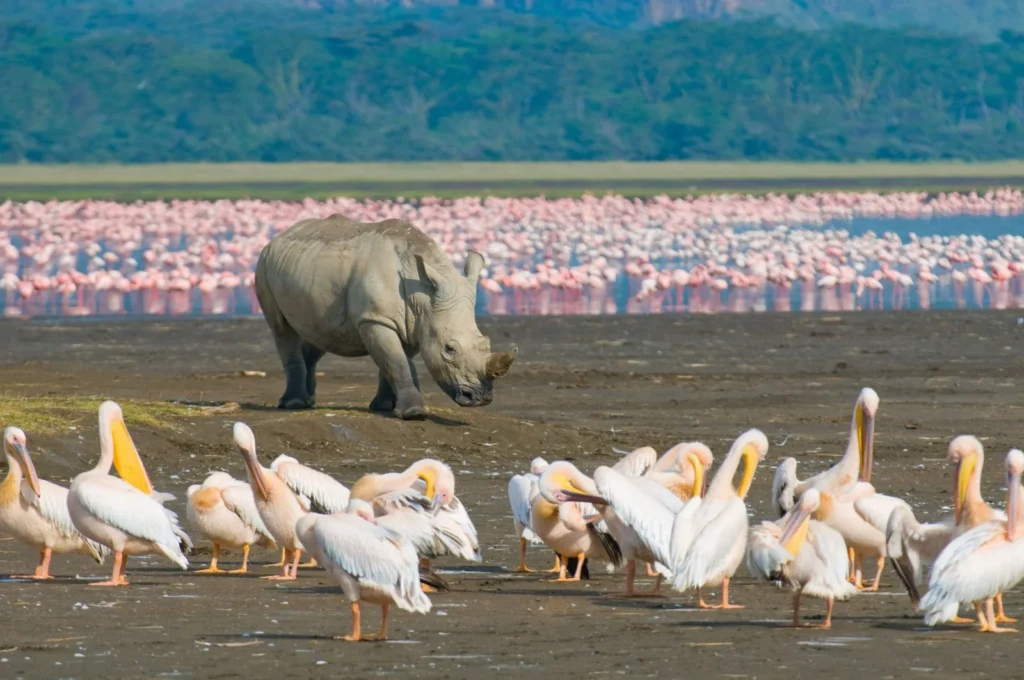
Birding Safaris in Serengeti National Park
Serengeti National Park stands as one of Africa’s premier destinations for wildlife enthusiasts and birdwatchers alike. Beyond its iconic Big Five and breathtaking landscapes, the park is home to over 500 recorded bird species, making it an essential stop for African Jungle Safaris or Tanzania Luxury Safaris. The park’s diverse ecosystems—from riverine forests and kopjes to expansive savannahs—provide a habitat for both resident and migratory birds, creating year-round opportunities for immersive birdwatching.
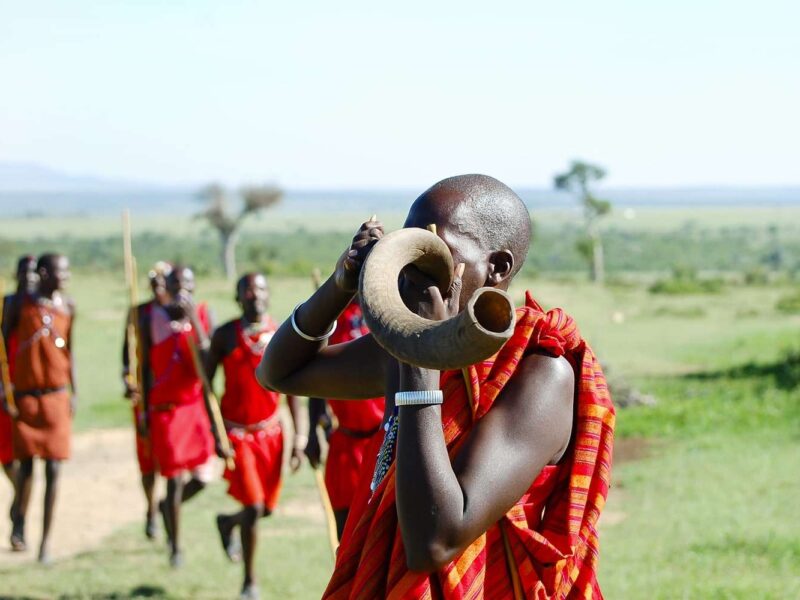
Visitors planning Tanzania Safaris, Tanzania Uganda Safaris, or Rwanda Tanzania Safaris will find that the Serengeti offers more than just wildlife viewing. Each season presents unique avian spectacles, and many lodges provide guided tours, field identification support, and strategic access to key birding hotspots. In addition to observing birds, travelers can enjoy cultural experiences, such as visiting Maasai villages near lodges, participating in traditional ceremonies, or learning about the indigenous knowledge of local bird species.
Best Time for Birding Safaris
Wet Season (November to April)
The wet season transforms the Serengeti into a lush, vibrant ecosystem, attracting migratory birds from Europe and North Africa. Between November and April, breeding activity peaks, and resident species display vivid plumage, making identification easier for both amateur and professional birdwatchers. Marshes, temporary ponds, and riverine habitats become hubs for waterbirds and waders, offering exceptional photographic opportunities and close-up sightings.
During the wet season, the southern plains, particularly around Ndutu, teem with breeding migratory birds, including species such as the Fischer’s Lovebird, Rufous-tailed Weaver, and Usambiro Barbet. These birds are often more accessible and active during early mornings and late afternoons, with guides strategically positioning visitors in quiet observation areas. Birding safaris in this period also complement predator-focused game drives, as the green season draws wildlife close to abundant water sources, creating balanced safari experiences for those seeking Tanzania Safari packages combining culture, wildlife, and avian encounters.
Dry Season (June to October)
Although the wet season is optimal for bird diversity, the dry season remains rewarding for general wildlife-focused birdwatching. Concentrated water sources, such as the Seronera River, attract both birds and mammals, enabling simultaneous observation of iconic predators and avian species. Raptors, including the Martial Eagle and African Fish Eagle, are particularly visible as they soar in the clear skies, hunting along open plains.
Birding during the dry season pairs naturally with Tanzania Luxury Safaris or Tanzania Kenya Safaris, offering guests opportunities to enjoy game drives while spotting species such as the Lilac-breasted Roller and Kori Bustard. With fewer leaves on trees and shorter grass, identifying smaller species and observing nesting behaviors becomes easier. Experienced birding guides are recommended to optimize sightings, as they can locate endemic species and interpret behavior patterns for a more immersive experience.
Key Bird Species in the Serengeti
Iconic and Endemic Birds
The Serengeti boasts an impressive range of iconic, endemic, and near-endemic species. Majestic birds such as the Secretary Bird, recognized for its distinctive crest and snake-hunting behavior, and the Kori Bustard, Africa’s heaviest flying bird, draw enthusiasts from across the globe. The vibrant Lilac-breasted Roller adds a spectacular splash of color to open grasslands, often appearing near wildlife hotspots, providing striking photographic opportunities.
Endemic species, including the Fischer’s Lovebird, Rufous-tailed Weaver, Grey-breasted Spurfowl, and the Usambiro Barbet, offer a rare glimpse into East Africa’s unique avifauna. Many of these species are concentrated in specialized habitats such as riverine forests, kopjes, and seasonal wetlands, making guided birding tours essential for both identification and conservation awareness.
Raptors and Waterbirds
The Serengeti’s varied topography supports a rich diversity of raptors, including the Martial Eagle, Tawny Eagle, and African Fish Eagle. Observing these predators requires strategic positioning and patience, which local guides expertly provide. Waterbird populations, such as Yellow-billed Storks, egrets, and herons, flourish around rivers, hippo pools, and floodplains, particularly during the wet season, creating lively congregations that enrich the birdwatching experience.
Top Birding Locations in the Serengeti
Seronera Valley
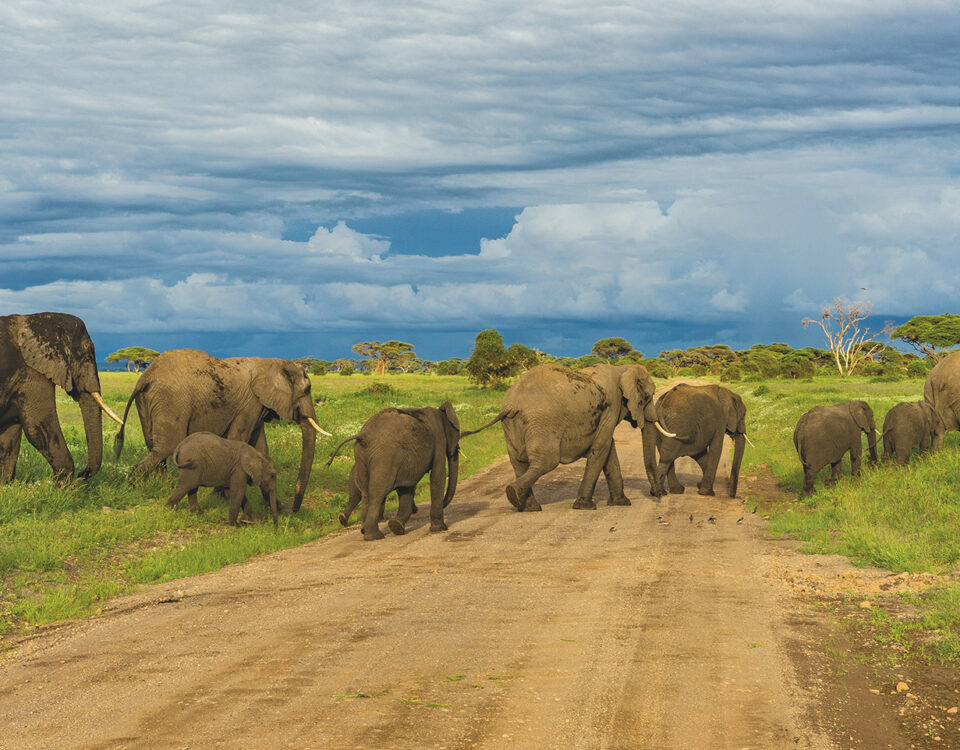
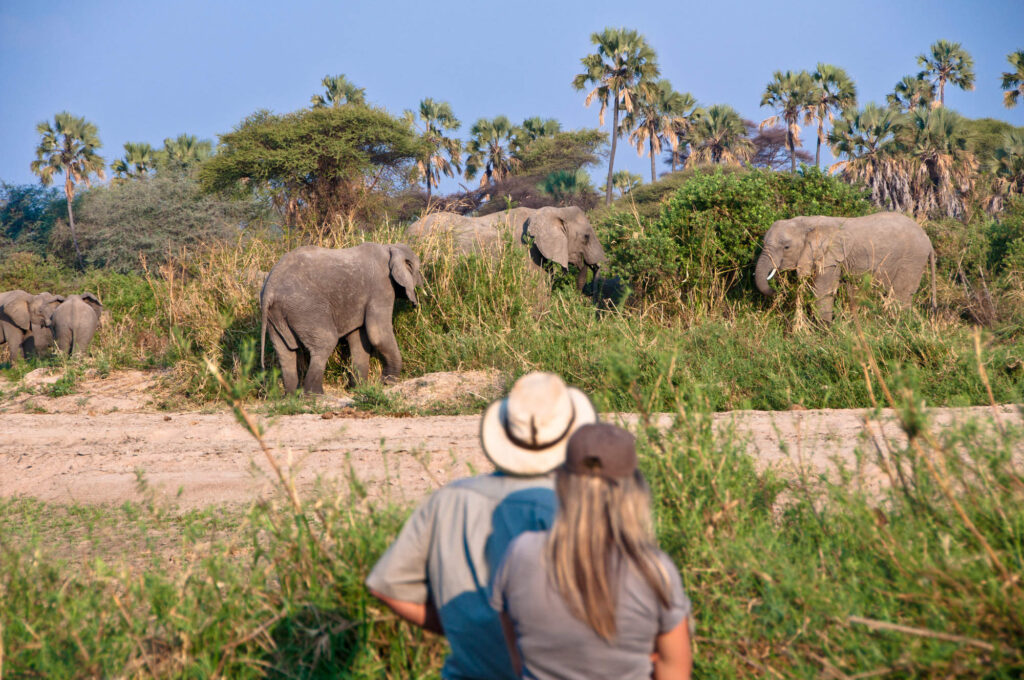
Located in the park’s center, Seronera Valley combines grasslands, woodlands, and riverine habitats. This convergence creates ideal conditions for both endemic and migratory birds, including raptors and perching species. Visitors can also integrate game drives, observing resident lions, leopards, and elephants, offering a fully immersive Tanzania Safari experience in a single location.
Moru Kopjes
The distinctive rock formations of Moru Kopjes attract a range of birds and wildlife. Raptors perch on rocks to hunt, while passerines inhabit nearby trees and shrubs. Birdwatchers often pair their observation sessions with guided walks or photography excursions, enjoying both landscape and wildlife perspectives.
Grumeti River
The riverine ecosystem in the western corridor provides crucial habitat for waterbirds. Species congregate along banks, creating excellent opportunities for photography and observation. Guided tours along the river also highlight ecological interactions between birds and the Serengeti’s mammalian predators.
Southern Plains (Ndutu Area)
During the wet season, Ndutu’s lush plains host large numbers of migratory birds, providing ideal conditions for species observation, courtship behaviors, and nesting studies. Visitors staying in southern Serengeti lodges or mobile camps enjoy exclusive access to these breeding grounds, often combining birdwatching with predator-focused excursions for a complete Tanzania Luxury Safari experience.
Planning a Birding Safari
Specialized Guides and Equipment
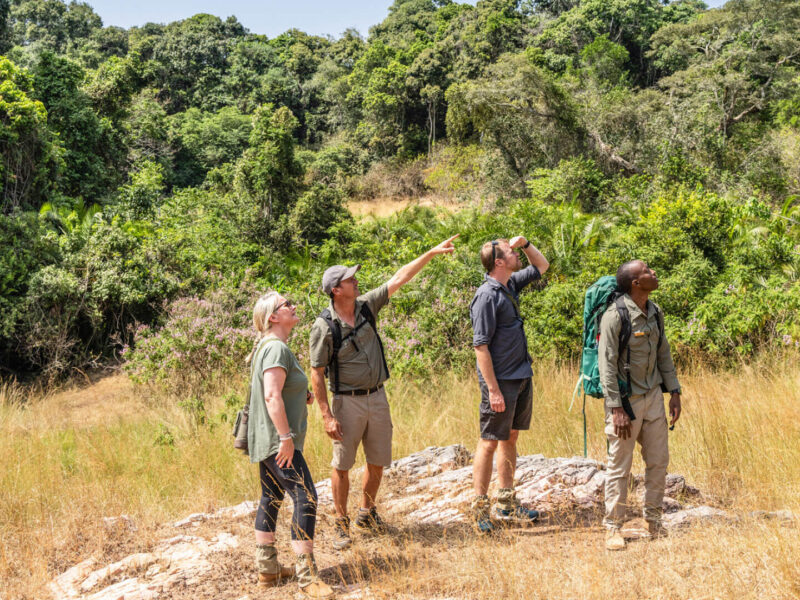
Booking a specialized birding safari ensures maximum sightings and expert interpretation. Local guides possess detailed knowledge of species identification, behaviors, and seasonal movements, enhancing both novice and experienced travelers’ understanding. Essential equipment includes high-quality binoculars, a field guide specific to East Africa, and a camera with zoom capabilities.
Birding safaris also integrate cultural interactions, including Maasai village visits near lodges or conservation-focused projects led by local communities. These experiences provide travelers with deeper insights into regional ecosystems, bird conservation, and traditional practices.
Serengeti Birding Year-Round
Serengeti National Park is a premier birding destination offering exceptional avian diversity, year-round wildlife interactions, and immersive cultural experiences. Whether visiting during the wet season for migratory species and breeding behaviors or the dry season for concentrated water-based sightings, travelers enjoy unmatched opportunities for photography, observation, and Tanzania Safari adventures.
Combining birdwatching with game drives, hot air balloon safaris, and cultural excursions creates a fully integrated safari experience. Mooi Adventures ensures carefully curated itineraries, guiding travelers through key birding hotspots while connecting wildlife, luxury lodges, and Maasai cultural interactions. Multi-country itineraries, including Tanzania Uganda Safaris, Rwanda Tanzania Safaris, or Tanzania Kenya Safaris, can be seamlessly incorporated for extended exploration of East Africa’s unparalleled biodiversity.