Samburu Wildlife Safari Highlights – Mooi Adventures
December 21, 2025
Kenya Luxury Lodge Safari Experiences
December 27, 2025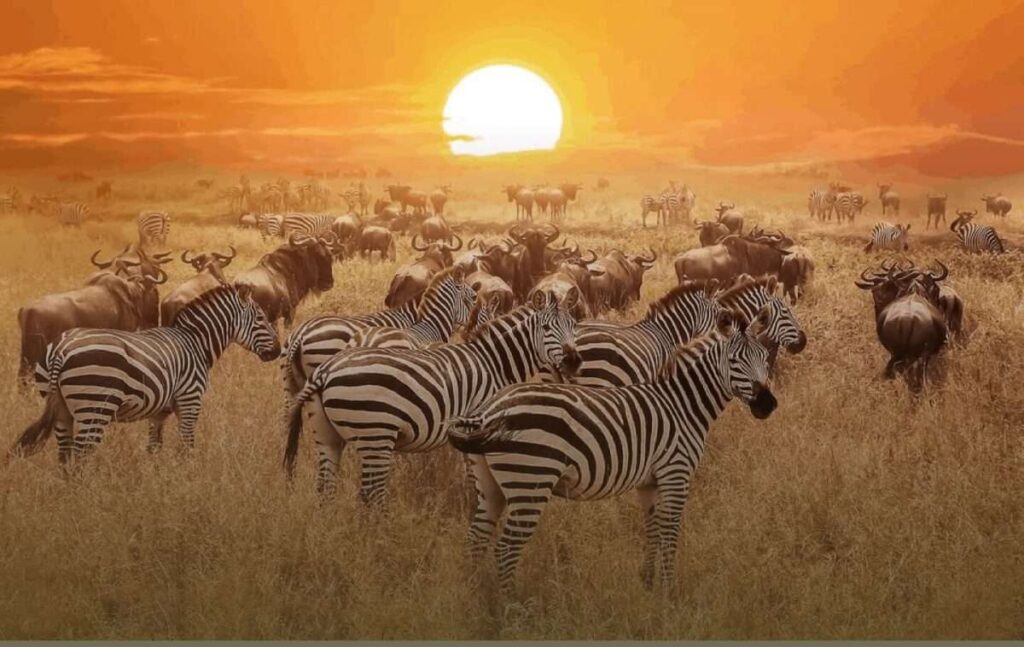
Tracking Wildlife Migration Across Kenya – Mooi Adventures
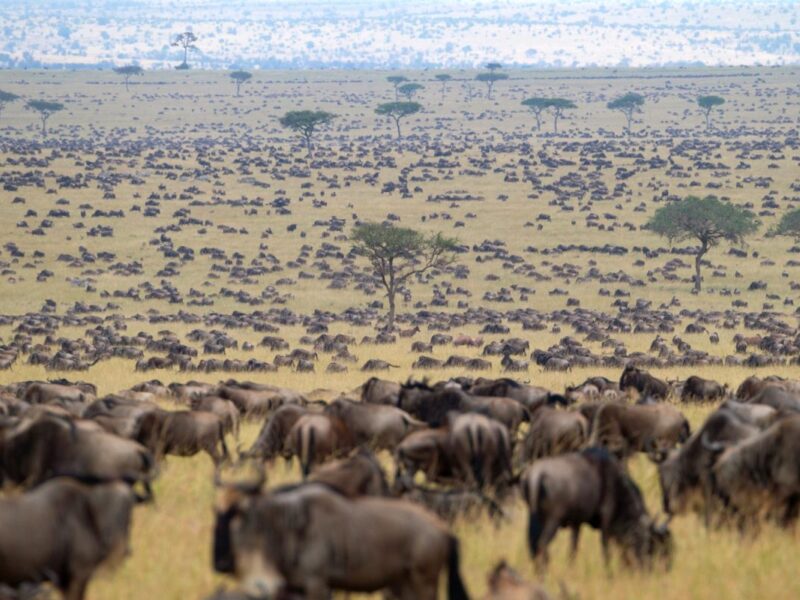
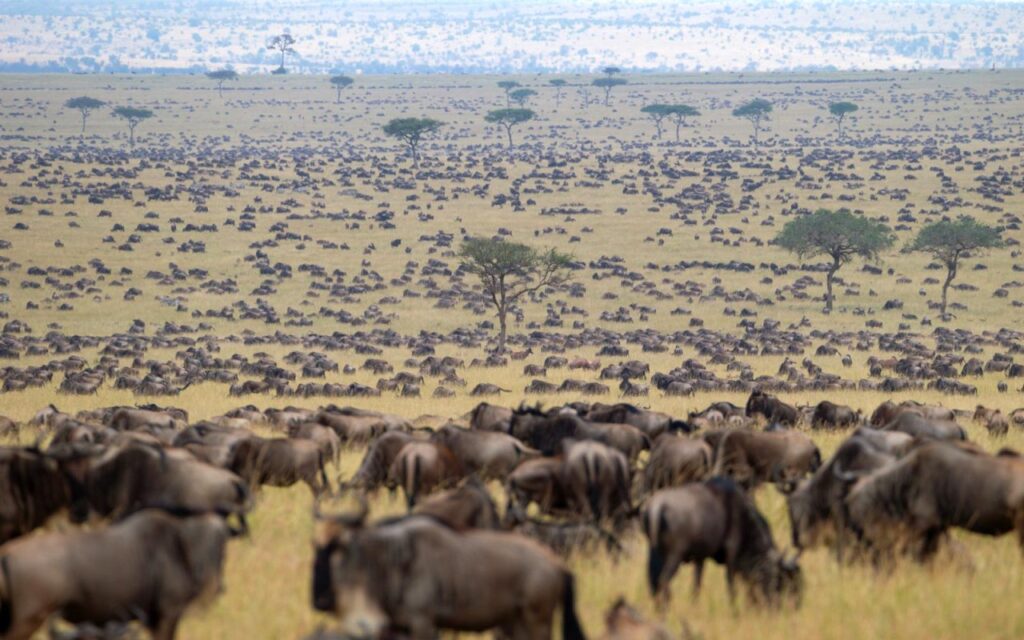
Witnessing the Great Wildebeest Migration is one of the most mesmerizing wildlife experiences on Earth, and Kenya remains at the heart of this spectacular phenomenon. Tracking wildlife migration across Kenya reveals a dynamic and awe-inspiring natural cycle, where millions of wildebeest, zebras, and gazelles traverse vast plains in search of fresh grazing lands and water. For travelers seeking authentic African safari experiences, following this migration offers unmatched opportunities to witness predator-prey interactions, dramatic river crossings, and the stunning rhythms of the savannah. Mooi Adventures ensures that each Kenya Safari brings travelers closer to these breathtaking spectacles while offering cultural insights into the communities that share the land with these magnificent animals.
The migration is primarily driven by seasonal rainfall patterns and the availability of lush grasses. In 2025, the herds are observed following their familiar clockwise loop, moving between Tanzania’s Serengeti National Park and Kenya’s iconic Maasai Mara. This journey spans roughly 1,800 miles, making it one of the largest and most continuous wildlife movements in the world. For safari enthusiasts planning Kenya Uganda Safari holidays, timing is critical to witness the most exciting moments. The migration peaks in July when the herds begin entering the Maasai Mara from the northern Serengeti.
August marks the dramatic Mara River crossings, where thousands of wildebeest and zebras risk treacherous waters filled with crocodiles to reach fertile grazing areas. By September and October, the plains of the Maasai Mara are dotted with dense herds, providing prime opportunities for spotting lions, cheetahs, and leopards hunting amid the moving masses. As November arrives, the short rains trigger the herds’ return journey to the Serengeti, completing this natural spectacle.
Prime Migration Routes in Kenya
While the Maasai Mara is globally celebrated as the centerpiece of the migration, several other corridors are equally vital for maintaining wildlife diversity and movement. The Mara–Serengeti route remains the primary pathway, carrying over 1.5 million wildebeest, zebras, and gazelles each year. Smaller herds often travel through the Loita Plains to Mara Triangle corridor, entering the Mara from the scenic Loita Hills around May, providing intimate safari experiences far from the crowds. In northern Kenya, the Laikipia to Samburu pathway ensures genetic diversity among elephants and antelopes, making it a unique alternative route for eco-conscious travelers. The Amboseli to Tsavo southern corridor is a critical passage for elephants and herbivores moving between protected parks, often weaving through community lands that offer cultural interaction opportunities. Even near urban Nairobi, the Athi-Kapiti Plains route remains historically active for some species, offering accessible safari experiences that combine wildlife viewing with local community visits.
Experiencing the Migration – 2025 Viewing Opportunities
For a truly immersive Kenya Safari, tracking the migration requires strategic planning. Real-time resources, such as live trackers provided by platforms like Wildebeest Sightings, give updates on herd movements and river crossing activity. Key vantage points for migration viewing include the Mara Triangle (Cul De Sac), Serena Crossing, and Lookout Hill, each offering exceptional photographic opportunities. Safari enthusiasts can explore multiple methods to engage with the migration. Traditional safari drives allow close encounters with grazing herds, while hot air balloon safaris provide a breathtaking aerial perspective, capturing the sweeping plains and moving masses from above. Mobile camps, such as those operated by Asilia Africa, relocate seasonally, ensuring that guests remain near the herds, combining comfort with immersive wildlife experiences. For travelers planning Kenya Uganda Safari holidays, integrating both Kenyan and Ugandan wildlife experiences provides a comprehensive East African safari adventure, pairing the Great Migration with Uganda’s pristine national parks and diverse wildlife species.
Cultural Experiences Alongside Safari Adventures
A Kenya Safari offers more than just wildlife encounters. Staying near migration corridors provides opportunities to engage with local Maasai communities, learning about their traditional practices, beadwork artistry, and cattle-herding lifestyle. In regions like Laikipia and Loita Plains, cultural experiences include guided walks with community members, visits to local markets, and storytelling sessions that reveal the intricate balance between humans and wildlife. Many safari lodges incorporate these experiences into their itineraries, allowing guests to connect with Kenya’s rich heritage while enjoying unparalleled wildlife viewing. Combining these cultural interactions with the raw spectacle of migration ensures that travelers enjoy a holistic safari adventure that highlights both biodiversity and human heritage, reinforcing Kenya’s reputation as a top global wildlife tourism destination.
Planning Your Ultimate Kenya Uganda Safari Holidays
For travelers seeking adventure, expertise, and authentic African experiences, Kenya Uganda Safari holidays curated by Mooi Adventures offer unmatched access to the Great Migration and other iconic wildlife phenomena. By aligning visits with migration patterns, travelers can witness dramatic river crossings, predator hunts, and the serene beauty of vast savannahs. These safaris integrate luxury accommodations, knowledgeable guides, and tailored itineraries that include cultural immersion, ensuring an experience that blends comfort, adventure, and authenticity. Whether exploring the Maasai Mara, the Loita Plains, or the broader East African ecosystem, Mooi Adventures positions itself as a reliable authority in safari travel, delivering exceptional, memorable journeys that inspire awe and deepen appreciation for Africa’s extraordinary wildlife.