Bwindi Impenetrable National Park vs Volcanoes National Park
May 12, 2026
Accessibility and Travel Convenience For Gorilla Trekking
May 12, 2026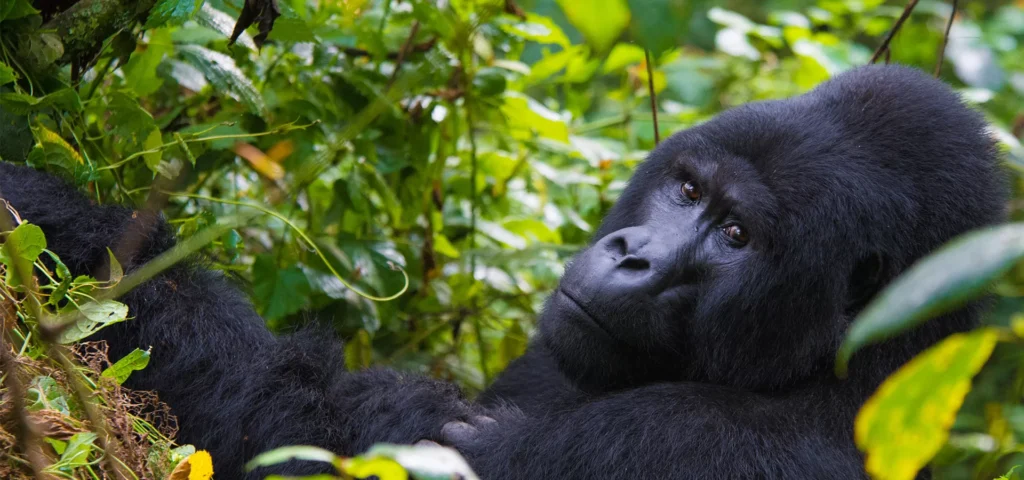
Why Are Uganda and Rwanda Gorilla Trekking Experiences So Remarkable?
Similarities Between Uganda and Rwanda Gorilla Trekking introduces travelers to two of Africa’s most extraordinary wildlife experiences, where unforgettable encounters with endangered mountain gorillas unfold within breathtaking tropical forests. Uganda and Rwanda have earned international recognition as premier destinations for Gorilla Safaris because both countries protect the rare mountain gorilla species within carefully conserved ecosystems. Every year, thousands of travelers choose Uganda Safaris and Rwanda Gorilla Safaris to witness these magnificent primates in their natural habitat while supporting conservation initiatives that preserve Africa’s unique biodiversity for future generations.
Across East Africa, Gorilla Safaris remain among the most exclusive wildlife adventures because mountain gorillas can only be found within a small region shared by Uganda, Rwanda, and the Democratic Republic of Congo. Uganda offers gorilla trekking opportunities in Bwindi Impenetrable National Park and Mgahinga Gorilla National Park, while Rwanda’s gorilla trekking experiences take place in Volcanoes National Park. Although these destinations differ in terrain, accessibility, and safari style, they share many important similarities that continue attracting adventure travelers, conservation enthusiasts, photographers, researchers, and luxury tourists from around the world.
Both Uganda Wildlife Safaris and Rwanda Gorilla Safaris provide intimate face-to-face encounters with habituated gorilla families under the guidance of professional ranger teams and experienced trackers. Every trekking experience follows strict conservation regulations designed to protect gorillas from stress, disease transmission, and habitat destruction. Equally important, local communities surrounding these national parks directly benefit from tourism revenue through employment opportunities, conservation education, cultural tourism, and infrastructure development. As a result, Gorilla Safaris in Uganda and Rwanda contribute significantly to sustainable tourism and wildlife preservation throughout East Africa.
Mooi Adventures proudly creates personalized safari journeys that allow travelers to experience the shared beauty, authenticity, and conservation success stories found within Uganda and Rwanda gorilla trekking destinations. Understanding the similarities between these iconic safari experiences helps visitors make informed decisions while appreciating the remarkable efforts dedicated to protecting mountain gorillas across the region.
What Makes Gorilla Trekking Similar in Uganda and Rwanda?
Mooi Adventures: Similarities Between Uganda and Rwanda Gorilla Trekking highlights the fact that both countries provide highly regulated and conservation-focused trekking experiences centered around endangered mountain gorillas. Visitors participating in Uganda Safaris or Rwanda Gorilla Safaris begin their adventure with an early morning briefing conducted by park rangers who explain trekking guidelines, safety procedures, gorilla behavior, and conservation rules. These regulations are carefully enforced to ensure minimal disturbance to the gorillas while preserving the integrity of their fragile ecosystems.
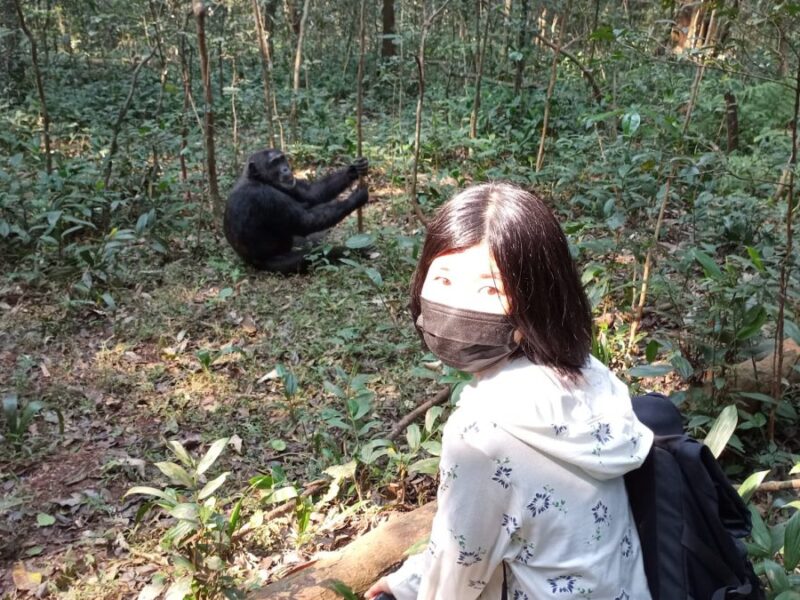
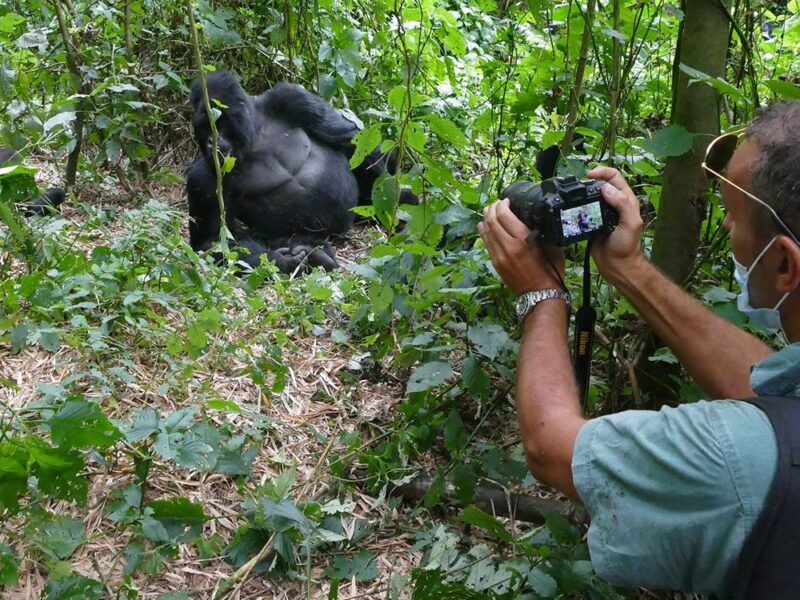
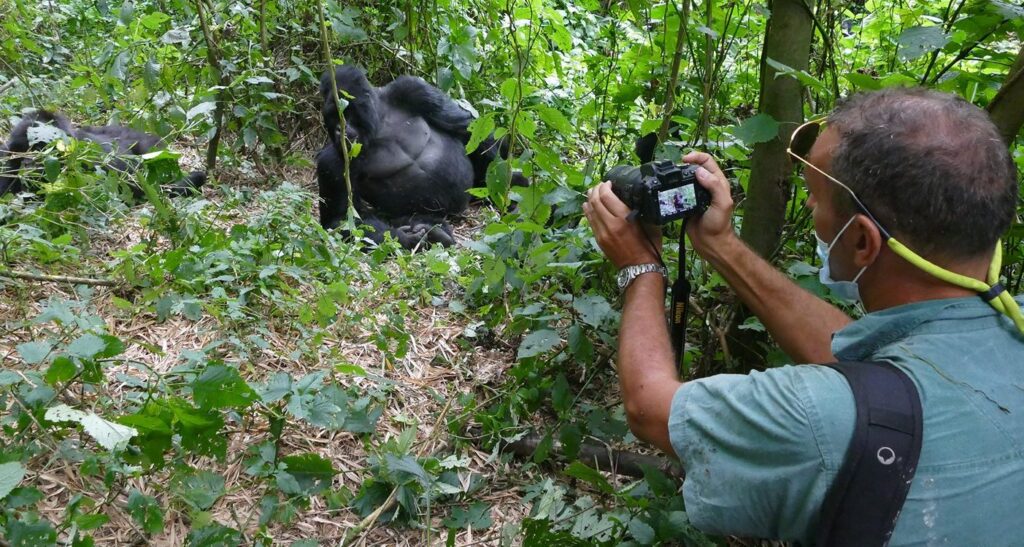
Throughout both Uganda and Rwanda, trekking groups are intentionally limited to small numbers to reduce environmental impact and create more intimate wildlife encounters. Experienced guides and trackers lead visitors through dense forests, steep slopes, bamboo vegetation, and mist-covered hills while locating habituated gorilla families monitored daily by conservation teams. Once trekkers find the gorillas, visitors are allowed a carefully managed one-hour interaction that provides extraordinary opportunities for photography, observation, and emotional connection with these gentle primates.
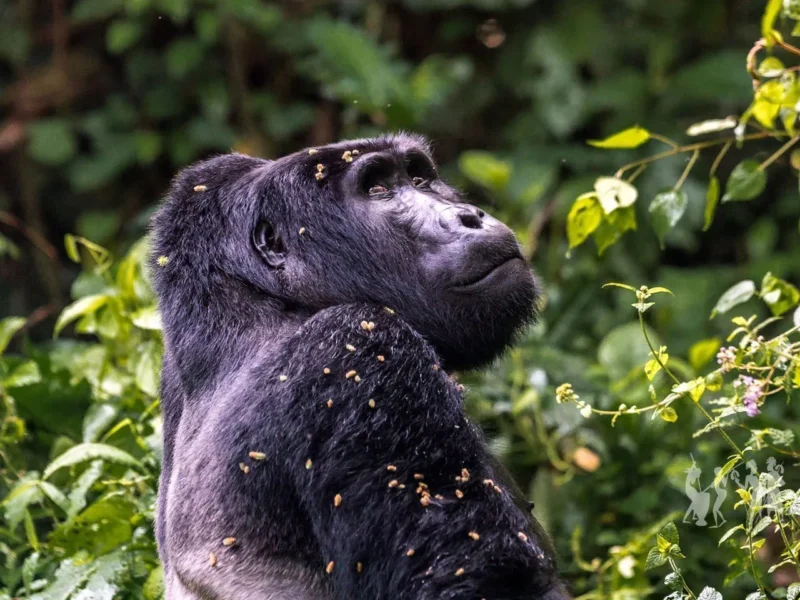
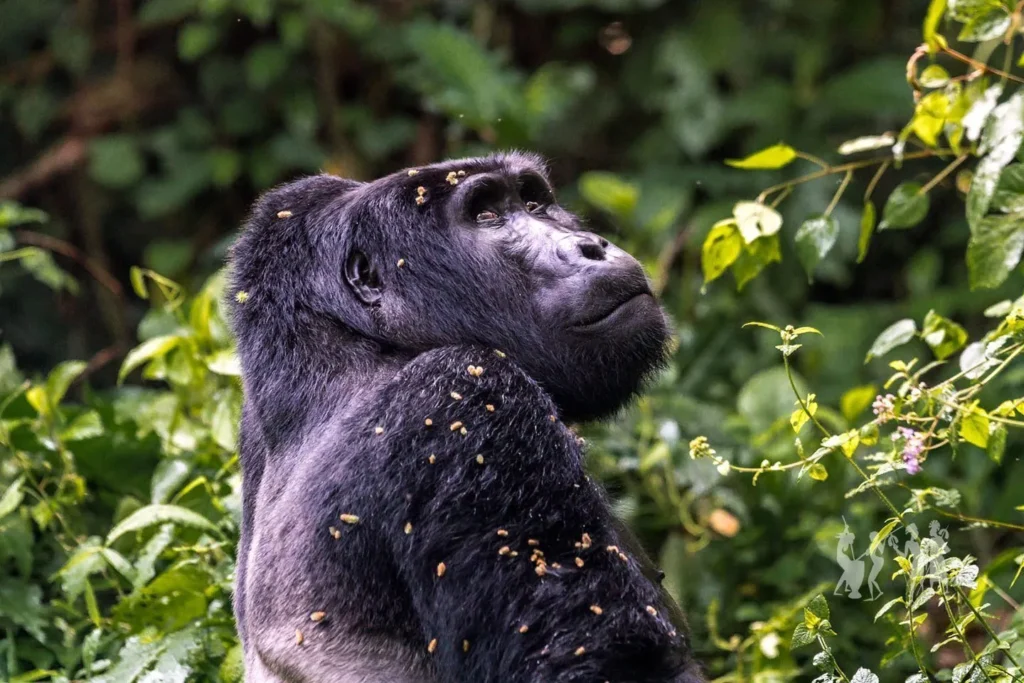
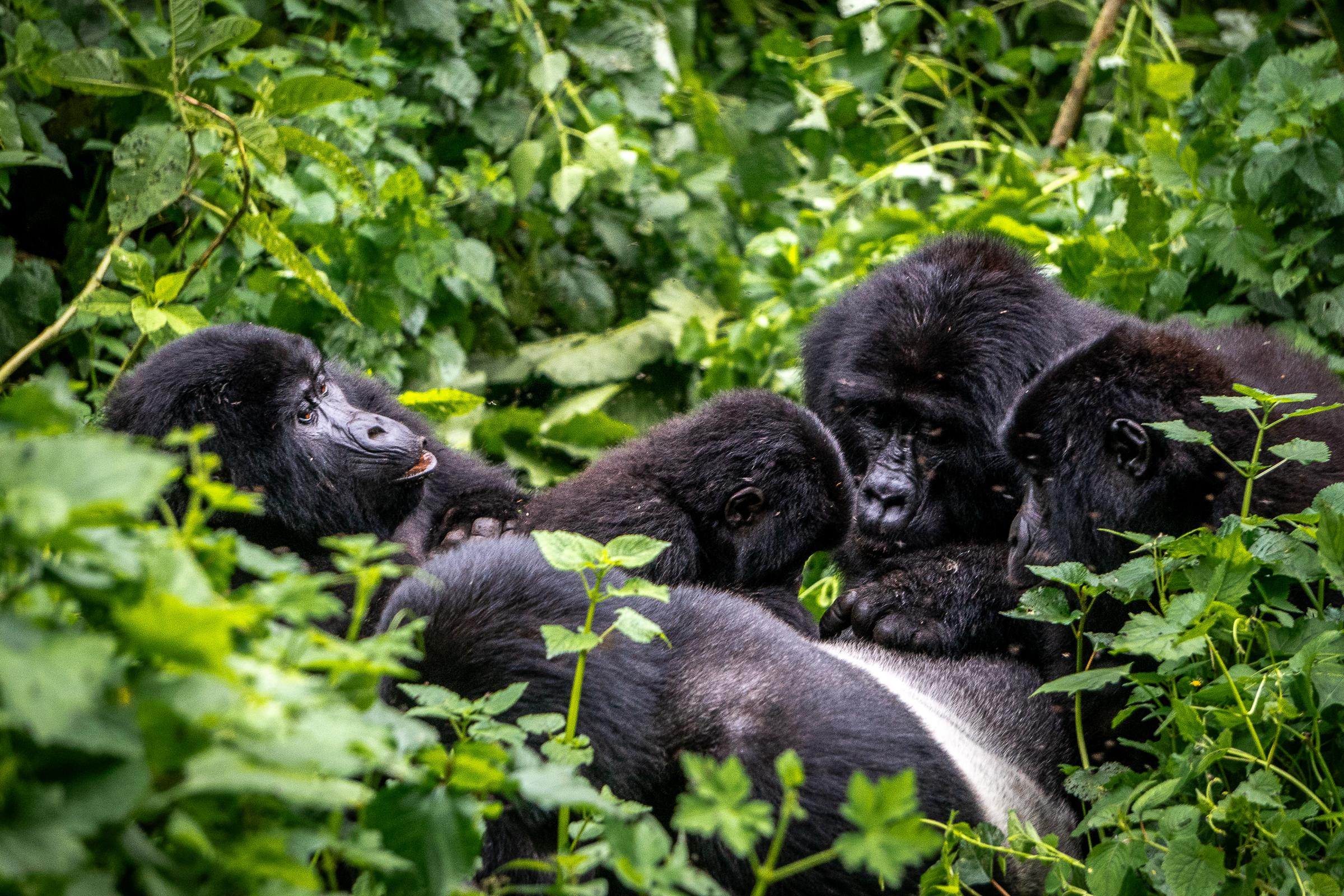
Another remarkable similarity between Uganda Wildlife Safaris and Rwanda Gorilla Safaris involves the gorillas themselves. Mountain gorillas found in Uganda and Rwanda belong to the same endangered species and display nearly identical social structures, behaviors, feeding patterns, and family interactions. Travelers observing these primates often witness silverbacks protecting their groups, juveniles playing within the forest vegetation, mothers nurturing infants, and family members communicating through vocalizations and body language. Such close encounters create deeply emotional safari experiences that remain unforgettable long after travelers return home.
Conservation also remains a shared priority within both countries. Uganda and Rwanda invest heavily in anti-poaching operations, veterinary care, habitat protection, scientific research, and community outreach programs designed to ensure long-term gorilla survival. Tourism revenue generated through Gorilla Safaris directly supports these conservation efforts while helping local populations recognize the economic value of wildlife protection. Mooi Adventures strongly supports these sustainable tourism initiatives because they preserve Africa’s natural heritage while creating life-changing safari experiences for international travelers.
How Do Uganda and Rwanda Share Similar Gorilla Habitats?
Mooi Adventures: Similarities Between Uganda and Rwanda Gorilla Trekking also emphasizes the ecological connection shared between the gorilla habitats of Uganda and Rwanda. Both countries form part of the greater Virunga Conservation Area, an ecologically important region characterized by volcanic mountains, tropical rainforests, bamboo zones, and high-altitude vegetation that supports mountain gorilla populations. Despite slight geographical differences, the environments within these destinations create ideal conditions for gorilla survival and successful conservation management.
In Uganda, gorilla trekking occurs mainly within the ancient rainforest ecosystem of Bwindi Impenetrable National Park and the volcanic forest environment of Mgahinga Gorilla National Park. Rwanda’s gorilla trekking adventures take place within the volcanic slopes and bamboo forests of Volcanoes National Park. Across all these destinations, travelers encounter lush greenery, cool mountain climates, mist-covered valleys, and rich biodiversity that create spectacular safari scenery.
Birdlife, butterflies, forest mammals, and unique plant species further enrich Gorilla Safaris in both countries. Trekkers often hear birds singing above the forest canopy while colorful vegetation surrounds the hiking trails. Fresh mountain air, peaceful natural sounds, and dramatic landscapes contribute to the immersive wilderness atmosphere that defines Uganda Wildlife Safaris and Rwanda Gorilla Safaris alike.
Another important similarity lies in the physical nature of gorilla trekking itself. Both destinations require travelers to hike through mountainous terrain that can become muddy and challenging depending on weather conditions and gorilla movements. Although trekking difficulty varies daily, visitors in Uganda and Rwanda should prepare for active outdoor adventures involving walking, climbing, and navigating uneven forest paths. Proper hiking boots, waterproof clothing, gloves, and moderate physical fitness greatly improve the trekking experience in both countries.
Mooi Adventures ensures every traveler receives professional preparation guidance before beginning Gorilla Safaris in Uganda or Rwanda. Our safari experts carefully explain trekking expectations, packing recommendations, health precautions, and conservation guidelines to help visitors enjoy safe and rewarding mountain gorilla encounters.
Bwindi Impenetrable National Park vs Volcanoes National Park
Why Are Uganda and Rwanda Important for Gorilla Conservation?
Similarities Between Uganda and Rwanda Gorilla Trekking recognizes the extraordinary conservation achievements shared by Uganda and Rwanda in protecting one of the world’s most endangered primate species. Decades ago, mountain gorilla populations faced severe threats from poaching, habitat destruction, civil unrest, and illegal wildlife activities. Today, thanks to strong conservation partnerships and responsible tourism management, both countries have successfully increased gorilla populations while positioning Gorilla Safaris among Africa’s leading sustainable tourism experiences.
Uganda and Rwanda follow similar conservation models that integrate wildlife protection with community involvement and tourism revenue sharing. National park authorities collaborate with international conservation organizations, veterinary experts, researchers, and local communities to maintain healthy gorilla populations and secure protected habitats. Revenue generated from gorilla permits directly supports ranger salaries, anti-poaching patrols, veterinary interventions, park management, and local development projects surrounding gorilla habitats.
Equally significant, communities living near gorilla parks benefit from employment opportunities created through Uganda Wildlife Safaris and Rwanda Gorilla Safaris. Local residents work as guides, porters, lodge staff, drivers, conservation educators, artisans, and cultural performers. These tourism-related benefits encourage positive relationships between communities and conservation authorities while reducing pressure on protected forest ecosystems.
Educational conservation programs in both countries also help raise awareness about environmental sustainability, wildlife protection, and responsible tourism practices. Travelers participating in Gorilla Safaris gain valuable understanding of conservation challenges while directly contributing to the survival of endangered mountain gorillas through permit fees and eco-tourism spending.
Mooi Adventures remains committed to promoting ethical Gorilla Safaris that prioritize conservation, community empowerment, and environmental responsibility. By choosing sustainable safari experiences in Uganda and Rwanda, travelers become part of a global effort dedicated to protecting Africa’s extraordinary wildlife heritage for future generations.
When Is the Best Time for Gorilla Trekking in Uganda and Rwanda?
Mooi Adventures: Similarities Between Uganda and Rwanda Gorilla Trekking recommends visiting both destinations during the dry seasons from June to September and December to February. These months generally provide better trekking conditions because forest trails become less slippery and rainfall reduces significantly across the mountainous gorilla habitats.
During Uganda Safaris and Rwanda Gorilla Safaris in dry seasons, visitors enjoy clearer hiking paths, easier photography opportunities, and more comfortable trekking experiences within dense tropical forests. Nevertheless, mountain weather remains unpredictable throughout the year, meaning occasional rainfall can still occur even during drier periods. Travelers should therefore pack waterproof jackets, hiking boots, long-sleeved clothing, and protective gear regardless of travel season.
Another advantage of visiting during dry months involves improved accessibility to lodges, national park headquarters, and surrounding tourism facilities. Gorilla permits also remain highly competitive during peak travel periods, making early safari booking essential for travelers seeking preferred trekking dates and accommodation options.
Mooi Adventures assists guests with permit reservations, safari planning, transportation logistics, accommodation selection, and personalized itinerary development to ensure smooth and unforgettable Gorilla Safaris in both Uganda and Rwanda.
Why Choose Mooi Adventures for Gorilla Safaris?
Similarities Between Uganda and Rwanda Gorilla Trekking reflects our commitment to delivering world-class safari experiences built upon professionalism, conservation ethics, and deep regional expertise. Our experienced safari specialists understand the unique strengths shared by Uganda and Rwanda Gorilla Safaris, allowing us to create customized travel experiences that match every client’s interests, budget, and adventure expectations.
Through carefully designed itineraries, Mooi Adventures offers authentic wildlife encounters, comfortable accommodations, professional guiding services, and seamless safari coordination from arrival to departure. Every Gorilla Safari emphasizes responsible tourism practices that support wildlife conservation, local communities, and environmental sustainability throughout East Africa.
International travelers trust Mooi Adventures because we prioritize safety, personalized service, accurate travel information, and unforgettable African safari experiences. Whether guests choose Uganda Wildlife Safaris in Bwindi Impenetrable National Park or Rwanda Gorilla Safaris in Volcanoes National Park, our team ensures every journey delivers meaningful adventure, exceptional comfort, and lasting memories.
Mooi Adventures continues promoting Uganda and Rwanda as leading Gorilla Safari destinations because both countries represent extraordinary examples of successful conservation tourism, authentic African hospitality, and unforgettable wildlife exploration.