
Kenya Luxury Lodge Safari Experiences
December 27, 2025
How to Plan Your First Kenya Safari
December 27, 2025
Kenya Guided vs. Self-Drive Big Five Safaris
A Kenya Safari or Kenya Uganda Safari Holiday presents a unique opportunity to witness Africa’s most iconic wildlife up close, especially the Big Five—lion, leopard, elephant, buffalo, and rhinoceros. One of the first decisions travelers face is whether to embark on a guided safari or a self-drive adventure. Each option offers distinct experiences: guided safaris emphasize expert knowledge, convenience, and optimal wildlife spotting, while self-drive safaris cater to adventurous travelers seeking flexibility, independence, and budget-conscious solutions.
Understanding the advantages and limitations of both approaches ensures a more enjoyable Kenya Safaris experience. Cultural immersion, scenic drives through vast savannahs, and interactions with local communities like the Maasai or Samburu enhance the safari beyond wildlife viewing, offering a holistic journey for first-time visitors and repeat travelers alike.
Guided Safaris: Expertise, Comfort, and Safety
Guided safaris remain the preferred choice for first-time visitors or those seeking a seamless, high-quality Kenya Safari experience. Professional guides offer unparalleled expertise in spotting the Big Five, reading animal behavior, and navigating complex park terrains. Through experience and communication networks, guides can locate elusive species like leopards resting in trees or rhinos grazing in hidden corners of conservancies. Safety is a central advantage: guides are trained to manage encounters with dangerous wildlife and unpredictable environments, ensuring peace of mind throughout the journey.
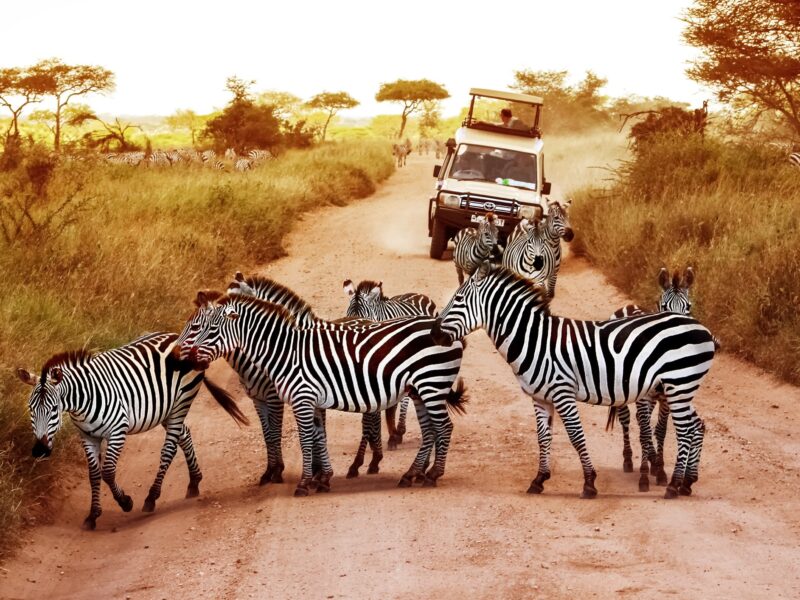
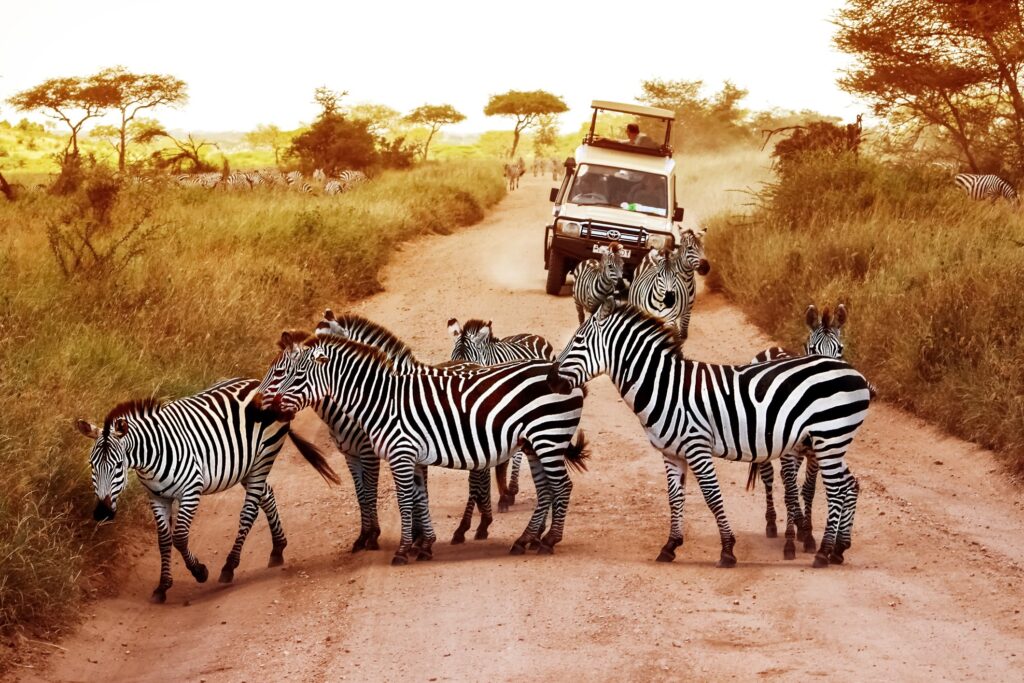
Guided safari vehicles are typically well-maintained 4x4s equipped with pop-up roofs, allowing photographers and wildlife enthusiasts to capture iconic images without compromising safety. Additionally, guides provide cultural insights, connecting travelers with Maasai, Samburu, or Kamba communities nearby, explaining traditional beadwork, dances, and daily village life. Logistics, including accommodation booking, park fees, and navigation, are fully handled, allowing visitors to focus entirely on wildlife experiences. While guided safaris involve higher costs and less itinerary flexibility, they maximize Big Five sightings, conservation learning, and cultural enrichment, making them ideal for Kenya Safari novices and families.
Self-Drive Safaris: Independence and Adventure
Self-drive safaris appeal to independent travelers seeking full control over their Kenya Safaris or Kenya Uganda Safari Holidays. This option allows you to dictate your schedule, linger at preferred wildlife sightings, and explore off-the-beaten-path conservancies at your own pace. For budget-conscious travelers, self-driving can reduce overall expenses by eliminating guide and package fees, allowing investment in mid-range lodges, campsites, or immersive cultural experiences. The sense of adventure is unmatched; discovering a hidden watering hole filled with elephants or a pride of lions on your own route enhances the personal connection to Kenya’s wilderness.
However, self-driving requires preparation, confidence, and knowledge of local regulations. Road conditions in national parks can be challenging, with unmarked tracks, mud during rainy seasons, and limited phone or GPS signals. Locating elusive species may be difficult without expert insight, potentially reducing Big Five encounters. Safety responsibilities, including handling vehicle breakdowns, carrying emergency gear, and observing animal behavior rules, fall entirely on the driver. High-clearance 4×4 vehicles are essential, and some parks may restrict self-driving in sensitive conservancy areas, occasionally requiring a ranger escort. Despite these challenges, self-drive safaris offer unmatched freedom, adventure, and personalized exploration for experienced travelers.
Expert Wildlife Spotting on Guided Safaris
Guided safaris provide significant advantages for wildlife enthusiasts and photographers. Professional guides utilize radio networks and local knowledge to locate elusive animals efficiently, increasing chances of spotting the Big Five. Observing leopards perched in acacia trees, lions hunting at dusk, or rhinos grazing along lakeshores becomes easier with expert guidance. Vehicles are strategically positioned to allow optimal observation and photography while minimizing disturbance to animals. Many conservancies also implement ethical tracking protocols, ensuring that wildlife encounters are responsible and conservation-friendly.
Beyond wildlife, guides offer insights into the ecosystem, explaining predator-prey dynamics, animal behavior, and the importance of conservation programs like rhino protection initiatives or lion tracking projects. Cultural engagement is often integrated; travelers can visit Maasai villages, learn about Samburu pastoralist life, or observe traditional crafts, creating a richer, multidimensional safari experience. Guided safaris, therefore, combine efficient Big Five spotting with education, safety, and cultural immersion, reinforcing Kenya’s reputation as a world-class safari destination.
Cultural Experiences Around Safari Lodges
Whether guided or self-drive, staying near culturally significant regions enhances a Kenya Safari or Kenya Uganda Safari Holiday. Many lodges are located adjacent to Maasai, Samburu, or Kamba communities, offering opportunities for respectful cultural interaction. Travelers can witness traditional dances, observe intricate beadwork, or participate in small-scale agricultural or livestock activities that form the backbone of local livelihoods. Incorporating these experiences into your safari creates memorable storytelling opportunities and fosters understanding of Kenya’s human heritage alongside its wildlife.
Some lodges provide curated experiences such as visits to local markets, guided nature walks with indigenous plant education, or interactive sessions on wildlife conservation projects. These activities add depth to your Kenya Safaris itinerary, turning a simple wildlife safari into a culturally immersive journey. Combining Big Five sightings with cultural interactions allows travelers to document unique photographic narratives, making the safari both visually compelling and intellectually enriching.
Safety, Preparation, and Planning
Both guided and self-drive safaris require careful preparation for safety and enjoyment. Guided safaris provide an inherent safety net through trained personnel, emergency protocols, and secure vehicles. Self-drive safaris demand travelers carry essential supplies, including water, fuel, recovery tools, and communication devices. Understanding Park regulations, wildlife behavior, and safe driving techniques is critical.
In either approach, early morning and late afternoon game drives offer the highest likelihood of wildlife activity. Observing the Big Five requires patience, and travelers should avoid rushing sightings. Proper packing, including binoculars, cameras, sun protection, and neutral-colored clothing, ensures comfort and functionality. For Kenya Uganda Safari Holidays, integrating park-specific strategies and advice from lodges or conservation staff enhances both safety and wildlife observation success.
Choosing Between Guided and Self-Drive
Choosing a guided safari ensures maximum wildlife sightings, expert knowledge, and safety, making it ideal for first-time visitors or families. In contrast, self-drive safaris provide unmatched freedom, adventure, and budget flexibility, appealing to experienced travelers confident in navigation and wildlife observation skills. Both options offer access to Kenya’s premier Big Five locations, including the Maasai Mara, Ol Pejeta Conservancy, Amboseli, Tsavo, and Samburu. Integrating cultural experiences, ethical wildlife observation, and strategic planning elevates the safari experience for both guided and self-drive travelers.
Ultimately, your choice between guided or self-drive Kenya Safaris or Kenya Uganda Safari Holidays depends on personal priorities, desired level of comfort, wildlife viewing goals, and willingness to navigate logistical challenges. Both options offer unforgettable encounters with Africa’s iconic wildlife, immersive cultural engagement, and transformative experiences that position Kenya as a leading global safari destination.