How to Experience Kenya’s Wildlife at Night
December 27, 2025
Activities in Maasai Mara National Reserve
January 3, 2026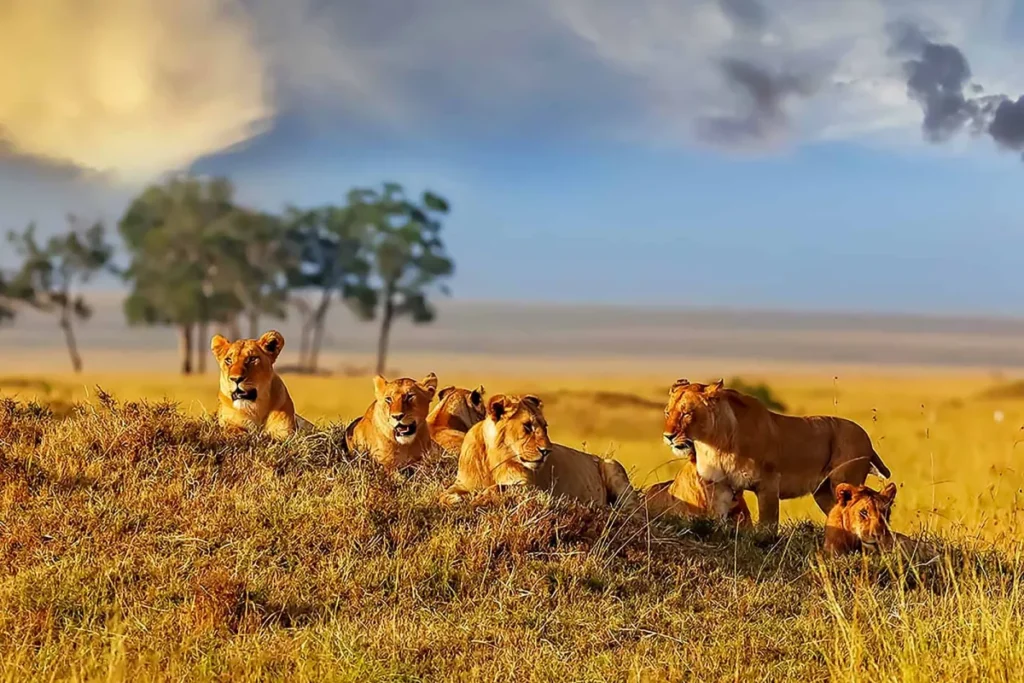
How Big Five Safaris Support Wildlife Conservation
Kenya Safaris, especially those focused on the Big Five, offer travelers a transformative opportunity to witness iconic wildlife while directly contributing to conservation. In 2025, Kenya Uganda Safari Holidays have evolved far beyond traditional safari tourism. Every visit to a national park or private conservancy becomes a vital contribution toward protecting endangered species like lions, elephants, rhinos, buffalo, and leopards. Tourists provide the financial resources, advocacy, and global attention that enable sustainable wildlife management.
The revenue generated from Kenya Safaris underpins anti-poaching operations, supports veterinary interventions, and fosters community programs that strengthen local livelihoods. Moreover, immersive experiences, including cultural interactions around safari lodges, allow visitors to understand how wildlife and human communities coexist, demonstrating the critical link between tourism and conservation. These immersive journeys empower travelers to become ambassadors for wildlife preservation, extending their impact beyond their personal safari.
Direct Funding for Wildlife Protection
Big Five safaris are no longer solely about adventure; they serve as essential funding mechanisms for Kenya’s conservation initiatives. Tourism revenue, primarily generated through park entry fees, guided safari packages, and conservancy levies, sustains frontline protection efforts. Anti-poaching units, equipped with advanced gear and rigorous training, patrol vast areas of the Maasai Mara, Amboseli, Tsavo, and Ol Pejeta Conservancy. Their presence deters poachers and safeguards vulnerable species, including rhinos and elephants.
Additionally, aerial surveillance using drones and light aircraft ensures constant monitoring across expansive ecosystems, making illegal activity easier to detect and respond to promptly. Safari income also funds wildlife veterinary programs, providing treatment for injured or sick animals, preventing disease outbreaks, and supporting relocation programs when necessary. Travelers who choose Kenya Uganda Safari Holidays contribute directly to these vital protection measures, helping preserve the Big Five for future generations. The money spent during a safari transforms into tangible conservation impact, making each wildlife encounter part of a global effort.
Community Conservancy Model: Linking Wildlife and People
Kenya’s innovative community conservancy model exemplifies how safari tourism sustains both wildlife and local communities. Landowners, often Maasai or Samburu pastoralists, lease their lands to conservancies in exchange for financial benefits tied to tourism. This approach provides families with reliable income, demonstrating that wildlife holds greater value alive than as land for farming or livestock grazing. Safaris fund predator-proof bomas, which protect livestock from lions and leopards, minimizing human-wildlife conflict.
These efforts reduce retaliatory killings and strengthen community support for wildlife protection. In addition, conservancy fees are reinvested into education, healthcare, and water infrastructure, ensuring tangible benefits for local residents. Visitors engaging in Kenya Safaris gain insight into Maasai cultural traditions, including beadwork, ceremonial dances, and pastoral practices. Staying at lodges or camps that integrate community programs allows travelers to observe sustainable development in action while enjoying luxurious safari amenities, connecting conservation with cultural appreciation in a meaningful, memorable way.
Habitat Preservation and Ecological Restoration
Big Five safaris play a crucial role in safeguarding entire ecosystems, creating a protective umbrella for flora and fauna alike. Private and community conservancies act as corridors between national parks, preventing habitat fragmentation and enabling natural migration routes for elephants, buffalo, and other species. These corridors maintain biodiversity and ensure long-term survival of Kenya’s wildlife populations. Safari revenue often funds reforestation and habitat restoration initiatives, replenishing woodlands and savannahs damaged by human activity or climate-related pressures.
In areas surrounding lodges, guests witness active environmental projects, from planting indigenous trees to managing water sources, integrating ecological stewardship into the safari experience. Travelers on Kenya Uganda Safari Holidays thus not only encounter wildlife but also become part of a broader movement supporting ecosystem resilience. Each game drive and lodge stay indirectly contributes to healthier landscapes, ensuring future generations experience the same iconic scenery and abundant wildlife.
Species Recovery Programs: Measurable Success
Tourism-funded sanctuaries have driven remarkable conservation successes for Kenya’s Big Five. Rhino populations, decimated during the 1980s, now exceed 1,600 due to effective breeding, protection, and relocation programs. Conservancies such as Ol Pejeta and Lewa Wildlife Sanctuary serve as global leaders in rhino conservation, providing secure habitats, breeding expertise, and constant monitoring. Ol Pejeta, in particular, protects the world’s last two northern white rhinos, funding groundbreaking IVF research aimed at species revival.
Elephant populations benefit similarly, with Amboseli National Park’s research and protection programs supported by tourism revenue. Buffalo, lions, and leopards also thrive in conservancies linked to visitor programs. Each visitor on a Kenya Safari or Kenya Uganda Safari Holiday contributes directly to these recovery efforts, ensuring that these species continue to roam Kenya’s plains. This tangible impact connects travelers to measurable conservation outcomes, transforming wildlife observation into active stewardship.
Education and Global Advocacy
Safari tourism fosters not only local conservation but also global awareness. Witnessing the Big Five inspires visitors to become advocates for wildlife, amplifying international support and funding for preservation efforts. Conservation education programs at lodges and conservancies offer hands-on experiences for tourists and local youth alike. Institutions like the Wildlife Tourism College of Masai Mara train the next generation of guides, conservation officers, and park managers, creating sustainable career paths while instilling expertise in wildlife protection.
Tourists gain deeper understanding of ecological dynamics, predator-prey relationships, and conservation challenges, turning each Kenya Safari or Kenya Uganda Safari Holiday into an educational journey. Travelers leave with knowledge, photographs, and a renewed commitment to protecting Africa’s wildlife, ensuring that their safari has a long-lasting impact on global conservation initiatives.
Integrating Cultural Experiences
Big Five safaris are not only about observing wildlife—they offer authentic cultural immersion around safari lodges. Visitors engage with Maasai and Samburu communities through village tours, craft workshops, and traditional ceremonies, gaining insight into local life and traditions that coexist with wildlife conservation. Some lodges organize storytelling sessions, explaining how indigenous knowledge informs modern conservation strategies.
Culinary experiences feature locally sourced foods, connecting guests with the natural environment. Combining cultural engagement with wildlife observation enhances the value of Kenya Safaris, making them transformative journeys that educate, inspire, and foster empathy. Travelers witness the symbiotic relationship between local communities and the Big Five, understanding how tourism sustains both ecosystems and human livelihoods.
Safaris as Catalysts for Conservation
Big Five safaris in Kenya and Kenya Uganda Safari Holidays represent more than thrilling wildlife encounters; they are a cornerstone of modern conservation. By funding anti-poaching efforts, supporting community conservancies, preserving habitats, and backing species recovery programs, tourism ensures the survival of Africa’s most iconic animals. Every vehicle, guide-led game drive, and lodge stay contributes to a system that protects biodiversity, empowers local communities, and educates global audiences.
For travelers, this creates a deeper sense of purpose, making each safari experience profoundly meaningful. Choosing a Kenya Safari or Kenya Uganda Safari Holiday in 2025 means actively participating in the protection of the Big Five, leaving a positive legacy for wildlife and people alike. Each adventure becomes a story of conservation, culture, and connection, ensuring Kenya remains a world-leading safari destination for generations to come.