Is Kenya Good for Safari?
January 29, 2026
Kenya Wildlife Safari Best Time to Visit
January 30, 2026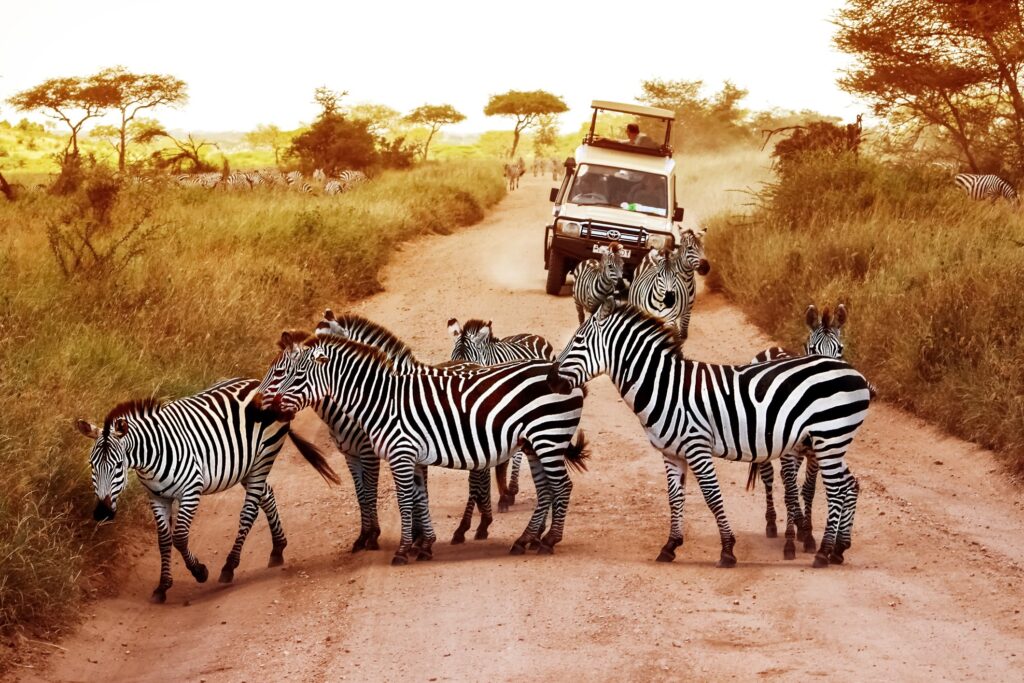
Kenya vs Tanzania Which is Better for Safari?
Choosing between Kenya and Tanzania for a safari is both exciting and challenging, as both countries offer iconic wildlife experiences unmatched globally. Kenya Safaris are often praised for accessibility, value, and diversity, while Tanzania delivers vast, uncrowded wilderness and dramatic landscapes. Both destinations feature the Big Five—lion, leopard, elephant, buffalo, and rhino—alongside countless other species. Travelers can witness predators in action, experience the annual Great Migration, and explore ecosystems ranging from savannahs and forests to volcanic highlands.
A Kenya Adventure safari is ideal for first-time visitors, those with shorter travel windows, or travelers seeking a mix of wildlife and cultural experiences. Tanzania’s Safari offerings appeal to seasoned adventurers and travelers who prefer expansive, less crowded parks and remote landscapes. Both countries offer excellent lodges, tented camps, and private conservancies, allowing guests to select accommodations based on comfort, privacy, and budget. Additionally, both nations provide opportunities to combine game drives with unique cultural encounters and optional extensions to beaches, lakes, or mountain regions, creating complete African adventures.
Kenya Safaris: Accessibility, Variety, and Cultural Immersion
Kenya Safaris are renowned for their well-developed infrastructure and variety of experiences. From the iconic Maasai Mara National Reserve to Amboseli’s majestic elephants and the flamingo-rich lakes Nakuru and Naivasha, Kenya presents abundant wildlife in accessible locations. Visitors can maximize sightings through private 4×4 Land Cruiser tours, fly-in safaris, or shared road trips. Early morning and afternoon drives reveal lions, cheetahs, leopards, elephants, and buffalo, while knowledgeable guides enhance the experience with wildlife behavior insights, tracking techniques, and conservation education.
Cultural experiences further enrich Kenya Adventure safaris. Travelers often visit Maasai or Samburu villages to learn about traditional beadwork, cattle-herding, and local ceremonies. Eco-tourism initiatives allow participation in tree-planting, wildlife monitoring, and community development programs, adding meaning beyond wildlife observation. Kenya’s short travel times between parks make it ideal for compact itineraries, including 3- to 8-day safari packages. Coupled with optional beach stays along the Indian Ocean in Diani or Watamu, Kenya offers a complete safari-and-leisure experience suitable for families, couples, and solo travelers alike.
Tanzania Safaris: Expansive Wilderness and Iconic Landscapes
Tanzania is characterized by its sheer size, unspoiled wilderness, and extensive national parks, making it perfect for travelers seeking exclusivity and adventure. The Serengeti National Park, Ngorongoro Crater, Tarangire, and Lake Manyara host some of Africa’s densest wildlife populations and iconic scenery. Tanzania excels in offering longer, more immersive safari experiences, often in private or semi-private settings, where travelers can explore off-road and observe predators and herbivores without the crowds common in Kenya’s high-demand parks.
The Great Migration in Tanzania differs from Kenya, with calving season taking place between January and March. During this period, thousands of wildebeest give birth across the southern Serengeti, attracting lions, cheetahs, hyenas, and vultures. This unique ecological event offers dramatic photography opportunities and deeper insight into predator-prey dynamics. Tanzania’s lodges and camps are typically more remote, emphasizing privacy and an immersive wilderness experience. While travel times between parks are longer, air transfers are available for convenience. Adventure seekers benefit from expansive landscapes, star-filled nights, and intimate encounters with Africa’s diverse wildlife.
Key Differences Between Kenya and Tanzania Safaris
When deciding between Kenya and Tanzania, several factors influence the choice: accessibility, crowd levels, budget, cultural exposure, and preferred wildlife experiences.
Kenya Advantages:
Shorter distances between national parks, enabling compact itineraries and day trips.
Well-developed lodges and tented camps for all budget levels.
Ideal for first-time visitors or families seeking accessible, guided safari experiences.
Diverse safari options, including fly-in safaris, combined beach extensions, and cultural village visits.
High chance to witness the Great Migration in July–October, particularly the Mara River crossings.
Tanzania Advantages:
Vast, less-crowded national parks for a more secluded wildlife experience.
Expansive ecosystems that offer longer, off-the-beaten-path game drives.
Calving season of the Great Migration from January to March provides intimate predator-prey encounters.
Opportunities to explore Ngorongoro Crater’s dense wildlife populations and unique volcanic landscapes.
Perfect for travelers seeking a more rugged, immersive, and “authentic” African safari experience.
Which Country Should You Choose?
Selecting between Kenya and Tanzania depends on your travel goals, available time, and preferred style of safari.
Choose Kenya if:
You are a first-time safari-goer or traveling with family.
Short travel distances, easier logistics, and higher accessibility are important.
You wish to combine wildlife safaris with cultural experiences and coastal resorts.
Budget-conscious travel is a priority without compromising on comfort and wildlife exposure.
Choose Tanzania if:
You desire a remote, less-crowded wilderness experience with expansive landscapes.
Longer safari durations fit your schedule and you enjoy traveling between diverse parks.
Your goal is to experience wildlife in a pristine environment with intimate predator and herbivore interactions.
Witnessing the migration’s calving season or exploring iconic geological formations like Ngorongoro Crater is a priority.
Both countries provide excellent opportunities to encounter the Big Five, witness spectacular migrations, and engage with local communities, ensuring a memorable safari regardless of choice.
Cultural Experiences and Community Engagement
Both Kenya and Tanzania integrate cultural experiences into safari itineraries, enhancing the connection between wildlife and people. In Kenya, visits to Maasai and Samburu villages allow guests to participate in traditional dances, bead-making, and cattle-herding activities. Similarly, Tanzania offers immersive experiences with the Maasai, Hadzabe, and Datoga tribes, providing insights into ancient traditions and sustainable living in harmony with nature.
These interactions often occur near safari lodges or conservancies, enabling convenient travel while supporting local communities financially. Eco-tourism projects, such as reforestation, wildlife monitoring, and conservation education, are commonly offered in both countries. Travelers gain knowledge about environmental stewardship, creating meaningful and educational safari experiences that go beyond game drives.
Kenya and Tanzania, Two Legendary Safari Destinations
Both Kenya and Tanzania offer exceptional wildlife adventures, each with unique advantages. Kenya excels in accessibility, shorter itineraries, budget diversity, and cultural immersion. Tanzania provides expansive landscapes, intimate wildlife encounters, and off-the-beaten-path adventure. Choosing between the two depends on personal preferences, available time, and desired experiences.
Regardless of selection, both countries allow visitors to experience Africa’s most iconic wildlife, witness the Great Migration, and engage with vibrant local cultures. For first-time visitors or those seeking accessible adventure, Kenya Safari packages provide a balanced combination of wildlife, comfort, and cultural enrichment. Meanwhile, Tanzania offers a raw, immersive experience for travelers pursuing solitude, expansive scenery, and intense predator-prey observation. Both destinations establish East Africa as a premier region for unforgettable wildlife experiences, positioning travelers for lifelong memories and world-class photography opportunities.