Why Do People Wear Masks When Gorilla Trekking? Understanding Safety in Gorilla Trekking
November 30, 2025
Aberdare National Park Kenya Safari Holiday
December 6, 2025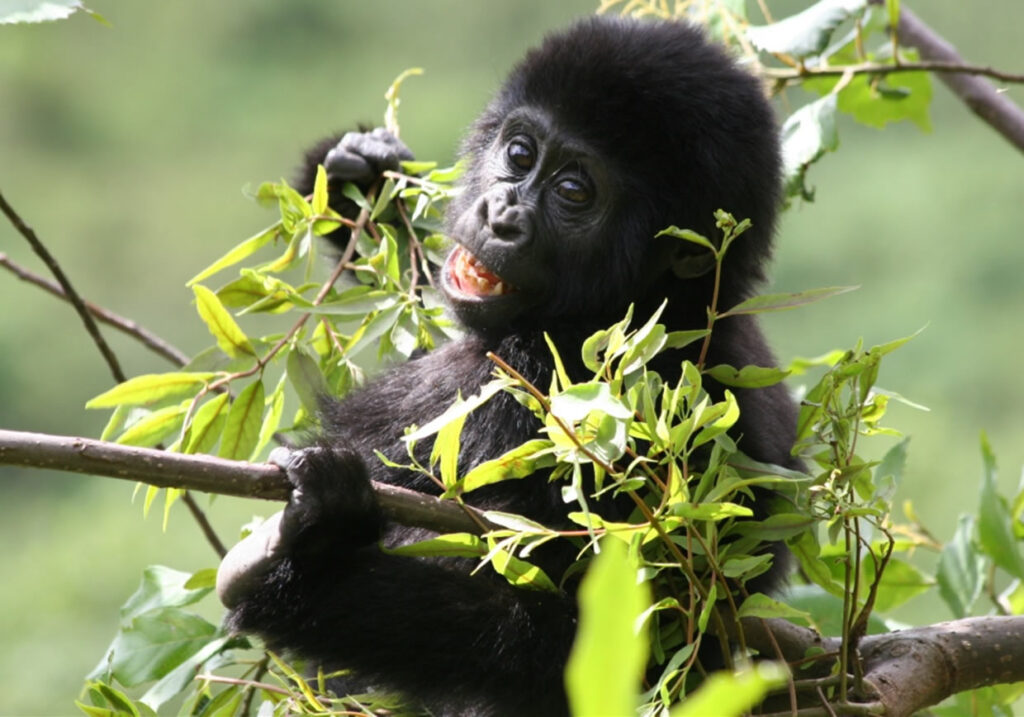
Why Is Gorilla Trekking So Expensive? Understanding the Cost of Gorilla Trekking
For travelers planning a Rwanda Gorilla Safari, a Uganda Gorilla Trekking Tour, or a multi-country adventure combining Rwanda Gorilla Trekking and Kenya Safaris, one of the most common questions is: Why is gorilla trekking so expensive? The cost of trekking permits and guided tours may seem high, yet it reflects more than just access to wildlife. Fees contribute directly to conservation, local communities, and the sustainable management of some of the world’s most critically endangered species. Understanding the breakdown of costs helps travelers appreciate the value behind their investment and reveals how each dollar plays a vital role in protecting mountain gorillas and their habitats.
Beyond conservation, the cost ensures safety, high-quality guiding services, and the maintenance of trails in dense rainforests. Gorilla trekking requires careful planning, permits, trained trackers, and park management infrastructure, all of which incur significant operational expenses. Tourists enjoy secure, organized, and well-supported experiences, allowing them to focus fully on the encounter with gorillas.
High Permit Fees: Funding Gorilla Conservation
One of the main reasons gorilla trekking in Uganda and Rwanda is costly relates to conservation. In Uganda’s Bwindi Impenetrable National Park, approximately 75% of the permit fee directly supports gorilla conservation projects. These funds protect gorillas from poaching, preserve their rainforest habitat, and support research initiatives that ensure long-term species survival. The government retains roughly 15% to manage the park and its infrastructure, while a small percentage supports tourism administration and permits management.
Rwanda follows a similar model, with a significant portion of the $1,500 Rwanda Gorilla Trekking permit reinvested into the maintenance of Volcanoes National Park and the protection of its 12 habituated gorilla families. These funds pay for ranger patrols, anti-poaching measures, community programs, and ecological monitoring. By choosing Rwanda or Uganda for a Gorilla Trekking Safari, travelers actively contribute to wildlife protection while experiencing an exclusive adventure. This conservation-driven approach creates high-value encounters while directly supporting sustainable tourism and local livelihoods.
Why Infrastructure and Expertise Increase Costs
Another factor contributing to high prices for gorilla trekking in Rwanda and Uganda is the infrastructure required to make the trek safe, accessible, and enjoyable. Trails in dense rainforests like Bwindi and Volcanoes National Park are maintained for safety and accessibility. Specialized equipment, including trail signage, ranger posts, and emergency facilities, demands consistent funding. Trained guides and trackers lead treks, employing intimate knowledge of gorilla behavior, forest navigation, and safety protocols. These guides undergo rigorous training and often live near the parks to ensure optimal tracking efficiency.
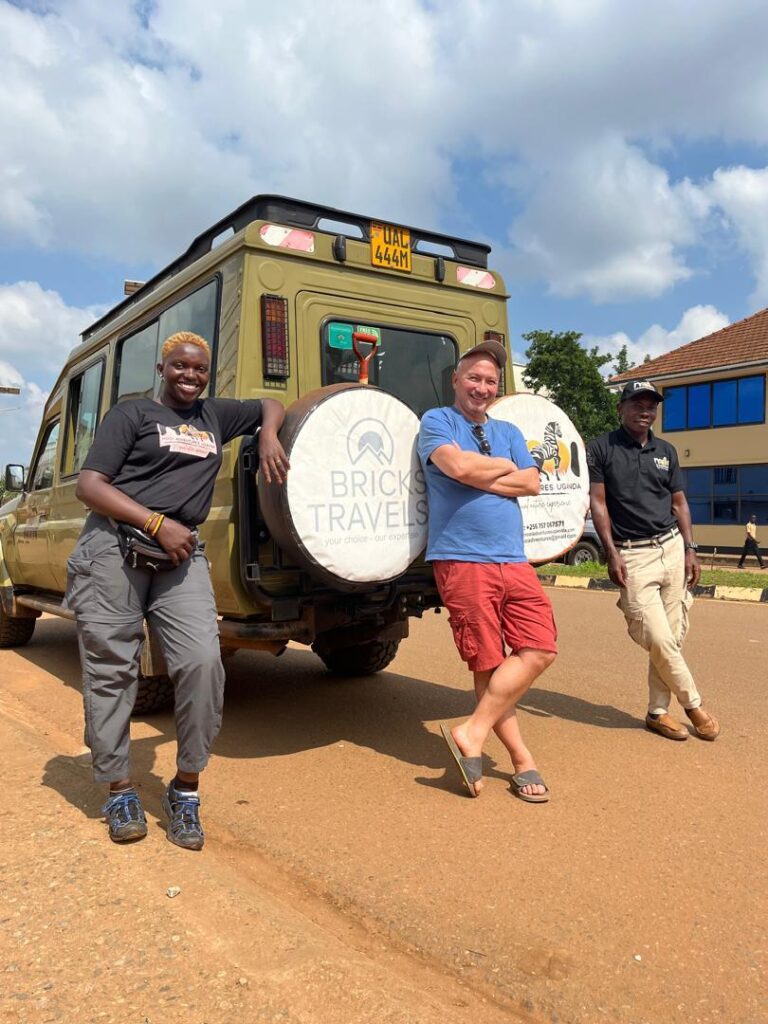
Tour operators also invest in high-quality vehicles for park transfers, comfortable lodges near park entrances, and additional cultural experiences such as Batwa community visits or guided nature walks. Combining a Rwanda Gorilla Trekking Tour with a Kenya Wildlife Safari further increases costs due to logistics, permits, and transportation across multiple countries. The premium fees reflect an experience that balances exclusivity, conservation, and world-class service while offering travelers the rare opportunity to witness mountain gorillas in their natural habitat.
Limited Gorilla Permit Availability and Its Impact on Pricing
Gorilla trekking costs are also influenced by limited permit availability. In Uganda, Bwindi Impenetrable Forest offers only 168 permits per day, while Mgahinga Gorilla National Park issues just eight. Rwanda provides 12 habituated gorilla families for tracking, each limited to small trekking groups. This scarcity ensures a low-impact tourism model, reducing disturbance to gorillas while maintaining high-quality experiences.
The limited number of permits creates high demand, which allows parks to maintain fees that support conservation and community development. Tourists seeking the most memorable Rwanda Gorilla Trekking Safari or a combined Kenya and Uganda Gorilla Trekking adventure must book permits months in advance, particularly during peak travel seasons such as June–September and December–February. Early planning guarantees access while reinforcing the sustainability of gorilla tourism and protecting fragile ecosystems.
Community Benefits: Tourism as a Sustainable Livelihood
Gorilla trekking fees also contribute significantly to local communities. In Uganda and Rwanda, tourism revenue funds education, healthcare, and infrastructure projects for villages surrounding national parks. Communities receive direct benefits, such as employment as lodge staff, guides, trackers, or porters, many of whom are former poachers turned conservation advocates. This creates alternative livelihoods that reduce dependence on forest exploitation, strengthening both human and wildlife protection efforts.
A Rwanda Gorilla Trekking Tour often includes cultural excursions near lodges, giving travelers an authentic insight into local traditions. Visitors may participate in traditional dance performances, crafts workshops, or guided village walks, all supported by tourism revenue. In Uganda, Batwa communities share their forest heritage through storytelling, traditional music, and dance, enhancing cultural appreciation while generating income. The high cost of gorilla trekking reflects a model where both wildlife and human communities thrive.
The Unique Value of Gorilla Encounters
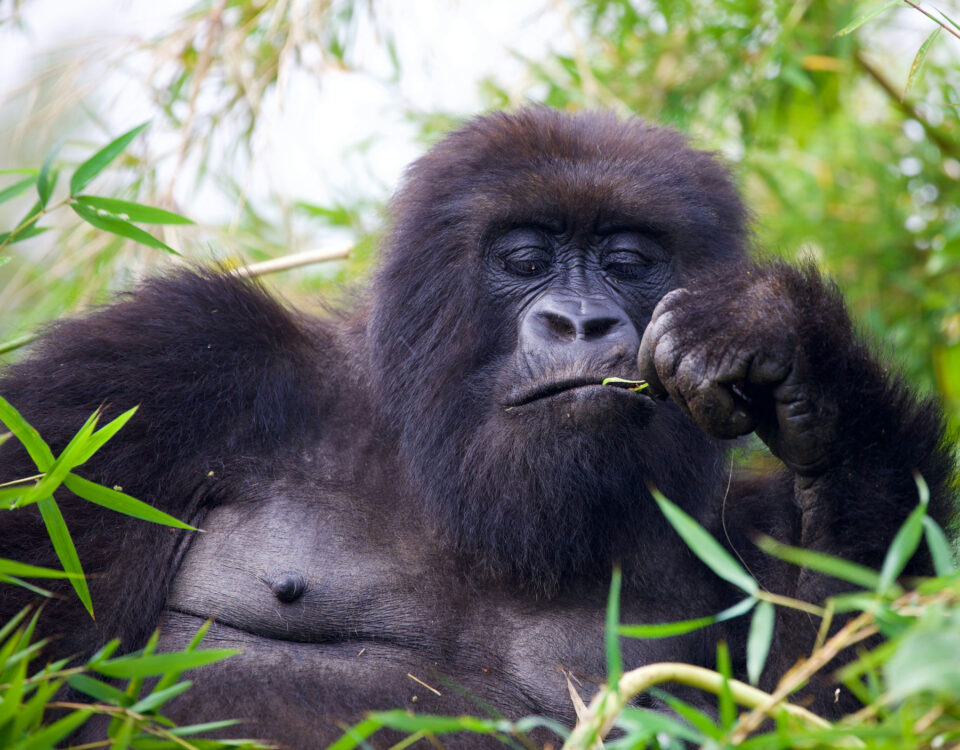
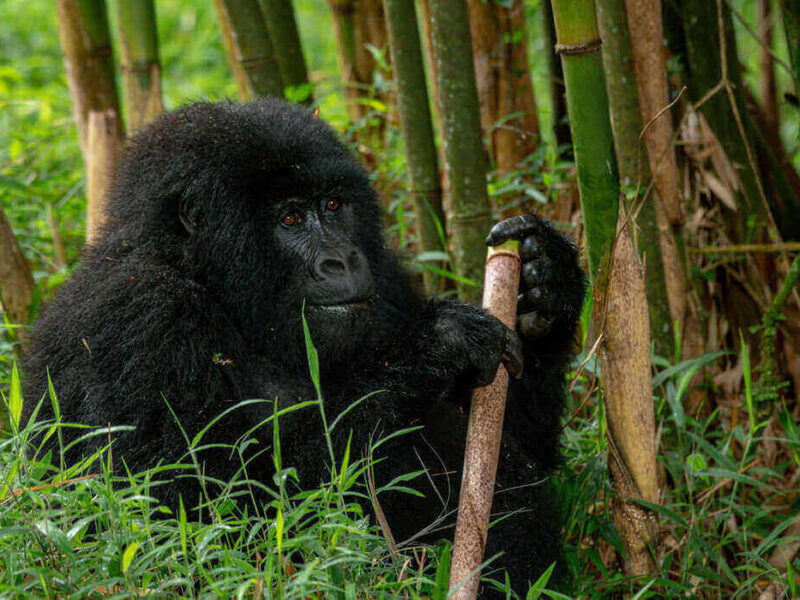
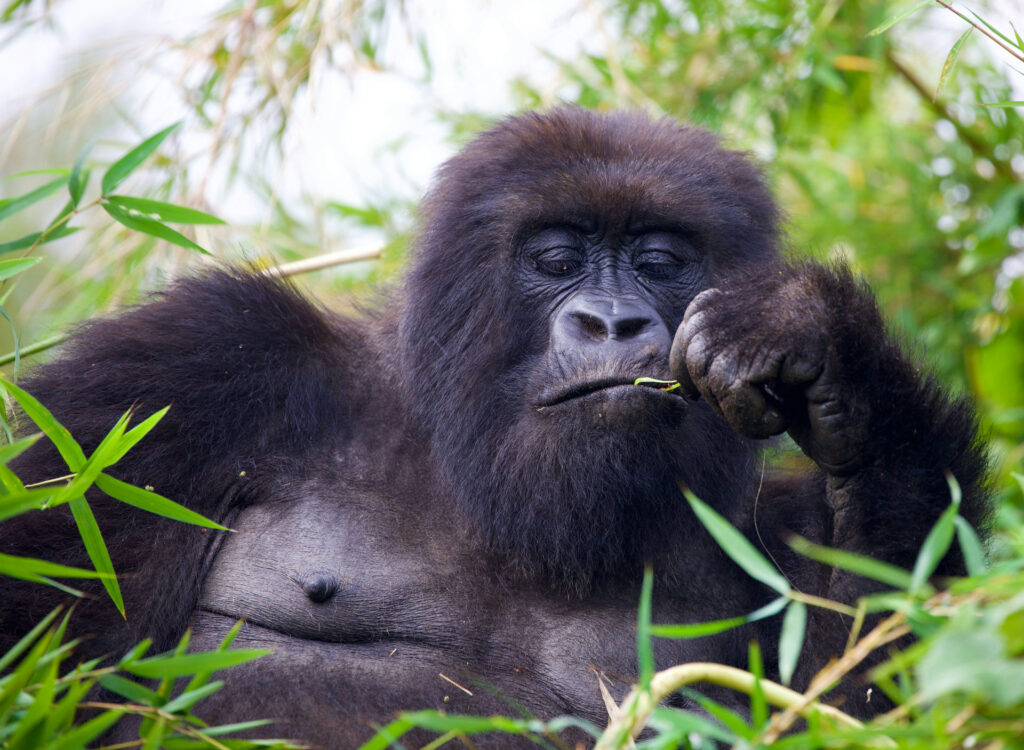
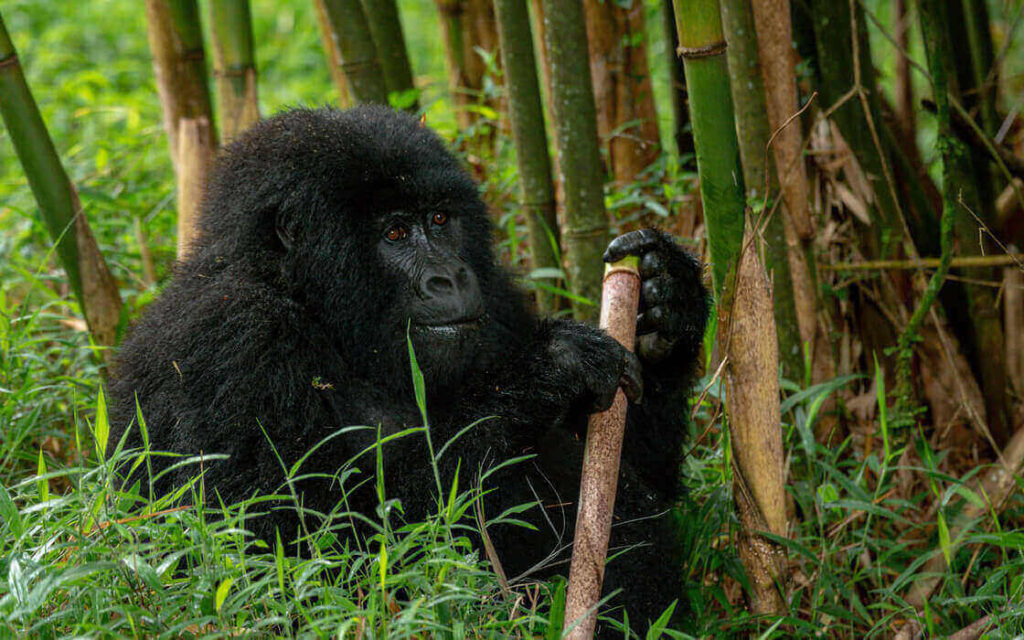
While gorilla trekking requires a significant financial commitment, the experience itself is priceless. Spending time with mountain gorillas in Bwindi, Mgahinga, or Volcanoes National Park offers unparalleled opportunities to observe their intelligence, social behaviors, and emotional complexity. Each encounter is strictly limited to one hour per group to minimize stress on the animals, yet the impact on travelers is profound.
Gorillas are critically endangered, and seeing them in the wild is rare. Tourists participating in Rwanda Gorilla Safaris, Uganda Gorilla Trekking, or combined Kenya and Rwanda wildlife adventures gain memories that last a lifetime. The cost of trekking covers not only access but also expert guidance, park maintenance, and conservation efforts that make these moments possible. By investing in gorilla trekking, travelers ensure that these magnificent creatures continue to survive for future generations.
Comparing Costs: Uganda vs Rwanda Gorilla Trekking
For travelers comparing Uganda Gorilla Trekking and Rwanda Gorilla Tours, cost differences largely reflect the tourism models of each country. Uganda offers more affordable permits—$800 for international visitors—while Rwanda prioritizes high-end tourism with $1,500 permits. Uganda provides a wider range of mid-range and budget lodges, whereas Rwanda focuses on luxury experiences.
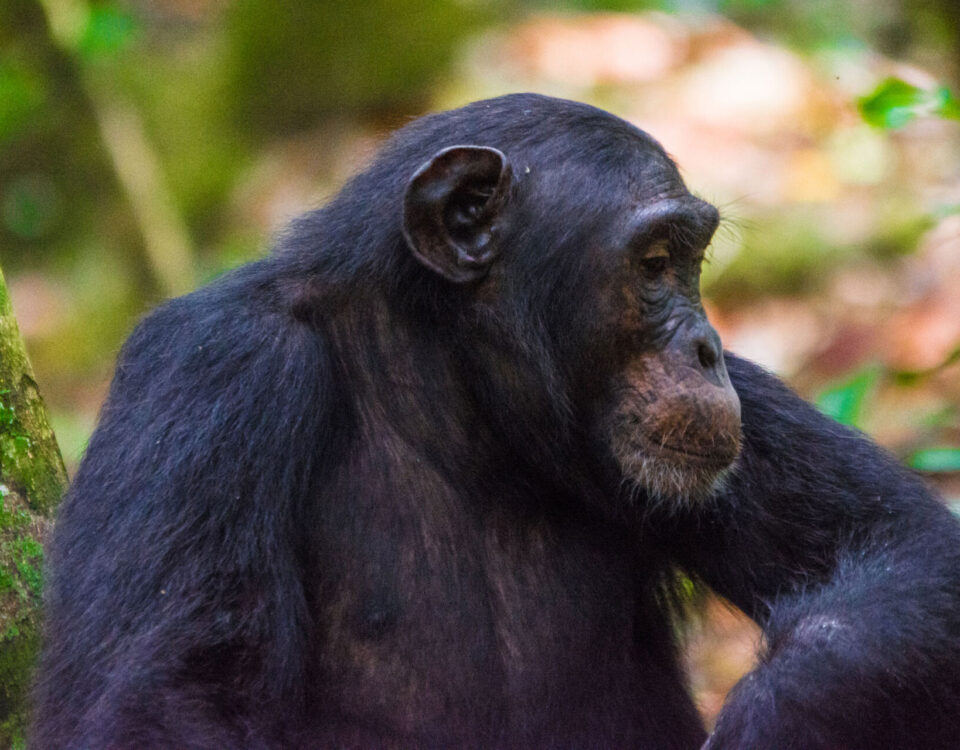
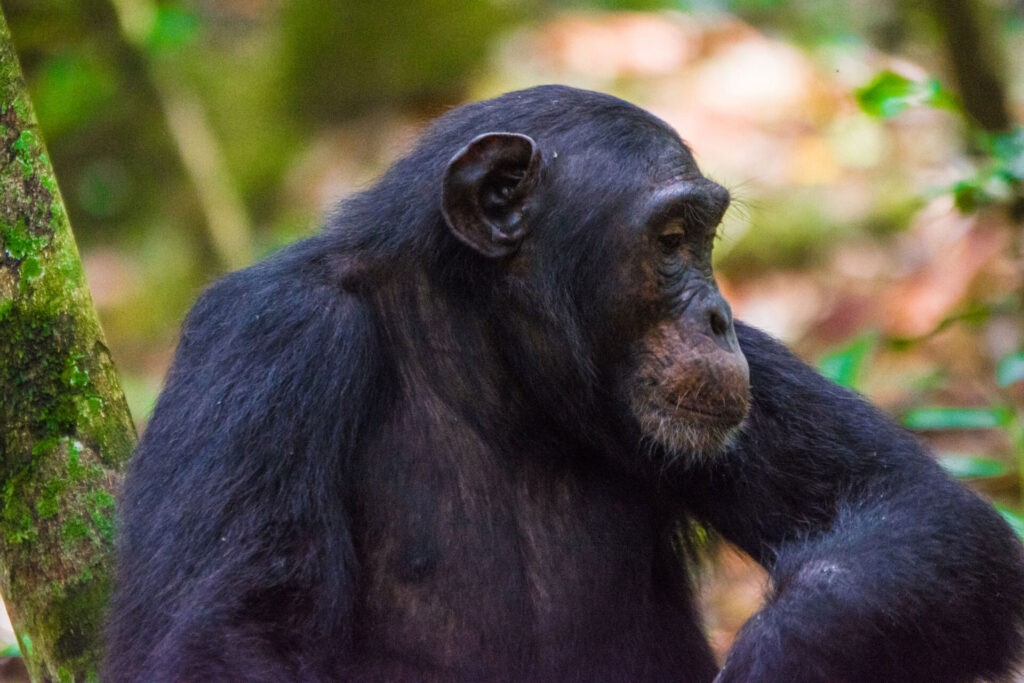
Despite the price difference, both destinations emphasize conservation and community engagement. Travelers can combine treks with additional wildlife viewing, including Kenya Wildlife Safaris or chimpanzee tracking in Uganda, enhancing value and creating multi-dimensional safari experiences. Ultimately, the high cost is an investment in unforgettable encounters, ethical tourism, and the survival of mountain gorillas.
The True Value Behind Gorilla Trekking Costs
Gorilla trekking may seem expensive, yet every dollar contributes directly to conservation, community development, and sustainable tourism infrastructure. Fees support anti-poaching initiatives, habitat protection, expert trackers, lodge services, and cultural programs around lodges. For travelers on a Rwanda Gorilla Trekking Safari, a Uganda Gorilla Trekking Tour, or combined Kenya and Rwanda safaris, the cost ensures a safe, meaningful, and unforgettable experience while protecting critically endangered wildlife.
By understanding why gorilla trekking is expensive, travelers can appreciate the long-term impact of their investment. Each trek allows tourists to witness one of Africa’s most extraordinary wildlife encounters while supporting conservation efforts that sustain both gorillas and local communities. In essence, the cost reflects value far beyond the trek itself, making every journey a contribution to the preservation of Africa’s most iconic species and landscapes.