Combined Gorilla Trekking and Wildlife Safaris in Kenya – The Ultimate East African Adventure
November 6, 2025
Gorilla Trekking Permit Cost
November 6, 2025
Do I Need Hiking Boots for Gorilla Trekking? Preparing for Your Gorilla Trekking Adventure
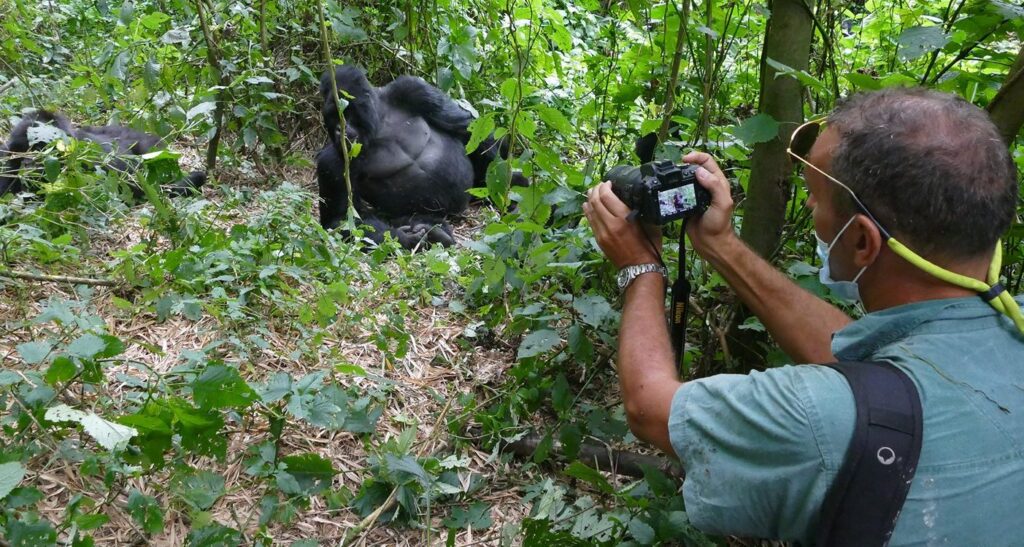
When planning a Rwanda Gorilla Safari, a Rwanda Gorilla Trekking Tour, or combining Rwanda Gorilla Trekking and Kenya Safaris, one of the most important questions is: Do I need hiking boots for gorilla trekking? Trekking through dense rainforests, muddy trails, and steep hills requires appropriate footwear to ensure safety, comfort, and maximum enjoyment. Hiking boots are not simply a recommendation; they are an essential tool for navigating rugged terrain while protecting your feet from moisture, slippery surfaces, and thorny vegetation. A proper pair of boots ensures that every moment of your Rwanda Gorilla Trekking Safari or Kenya Wildlife Safaris adventure is comfortable, safe, and immersive.
High-quality boots support your ankles, prevent slips, and allow you to maintain balance on uneven forest trails. For first-time trekkers, investing in durable, waterproof boots can make a significant difference in stamina and confidence. Rangers and local guides often wear rubber boots or gumboots, demonstrating the practicality of this footwear in rainforest conditions. Selecting the right boots is a key part of preparing for a successful gorilla trekking experience and ensures you are fully equipped to enjoy encounters with mountain gorillas without distraction or discomfort.
Why Waterproof Hiking Boots Are Essential
During a Rwanda Gorilla Trekking Tour, trekkers frequently encounter wet and muddy paths, especially during rainy seasons. Slippery slopes and thick mud increase the risk of slips, falls, and twisted ankles. Waterproof hiking boots protect your feet from these hazards while keeping them dry, warm, and comfortable. Rubber-soled boots with strong grip provide stability, allowing trekkers to navigate steep inclines, slippery trails, and uneven terrain with confidence.
Additionally, hiking boots provide ankle support, which reduces fatigue during long treks. Many gorilla treks can last up to six or eight hours, depending on how far gorilla families have moved. For combined adventures like Rwanda Gorilla Trekking and Kenya Safari, you may walk significant distances while transitioning from the rainforest to savannah plains, making proper footwear essential. Lightweight boots with flexible soles ensure that trekkers can move efficiently while minimizing strain. Experienced guides emphasize the importance of sturdy boots for both safety and enhanced trekking endurance, which can significantly improve your overall experience on a Rwanda Gorilla Trekking Safari.
Comparing Boot Types: Rubber, Hiking, and Trail Shoes
Choosing the right type of boot depends on the specific conditions of your trek. Rubber boots, or gumboots, are ideal for heavy rains and extremely muddy terrain, providing complete waterproof coverage. Hiking boots offer greater ankle support and breathability, which is important during long treks in humid rainforest environments. Trail shoes can work for light treks, but they may lack sufficient grip and ankle support for steeper sections of the trail.
For Uganda Gorilla Trekking or a Rwanda Gorilla Trekking Tour, experts recommend high-quality waterproof hiking boots with reinforced soles. Combining these boots with moisture-wicking socks can prevent blisters and keep feet comfortable for hours of trekking. Some trekkers even wear two layers of socks a thin inner moisture-wicking layer and a thicker cotton layer to increase cushioning and protection. Investing in proper boots ensures you maintain energy and focus during your gorilla encounter while protecting your feet in unpredictable rainforest conditions.
Additional Gear to Complement Your Hiking Boots
While hiking boots form the foundation of your trekking equipment, other gear enhances safety and comfort. Gaiters, for example, protect the lower part of your trousers and boots from water, mud, and small debris. Trekking poles offer additional balance and reduce strain on knees and ankles, especially when descending steep slopes. Gloves protect your hands from thorny plants, providing a firm grip while maintaining comfort.
For hydration, consider a CamelBak or similar water pouch that allows you to drink hands-free. Lightweight backpacks should be waterproof and designed to carry essential items like snacks, rain jackets, cameras, and binoculars. Many Rwanda Gorilla Trekking Safaris include optional porters who can carry heavier packs, allowing trekkers to focus entirely on observing gorilla behavior. Using hiking boots in combination with these gear items ensures a safe, enjoyable, and fully immersive trekking experience in the rainforest.
Practical Tips for First-Time Gorilla Trekkers
For first-time trekkers on a Rwanda Gorilla Trekking Safari or Uganda Gorilla Trekking Tour, preparation is key. Break in your boots with short hikes before your trip to avoid discomfort or blisters. Wear boots that fit snugly but allow enough room for thick socks, and avoid buying new boots immediately before your trek. Practice walking on uneven terrain to build balance and confidence, which will be invaluable during the long hours in rainforest environments.
Additionally, dress in muted colors such as greens, browns, and greys to blend into the forest and avoid disturbing the gorillas. Long-sleeved shirts and trousers protect against thorny vegetation, insect bites, and minor scratches. For cultural immersion, lodges often offer activities around your accommodation, such as visiting Batwa communities in Uganda or local Rwandan villages. Proper footwear allows trekkers to comfortably participate in these cultural excursions, enhancing the overall safari experience.
The Role of Hiking Boots in Gorilla Conservation Awareness
Proper footwear contributes indirectly to conservation efforts during your Rwanda Gorilla Trekking Tour or Kenya and Rwanda combined Safari. Trekking safely prevents environmental damage, such as trampling delicate vegetation, which is critical in areas surrounding gorilla habitats. Boots designed for rainforest conditions reduce soil disruption and help maintain trail integrity, ensuring minimal impact on ecosystems.
By investing in high-quality hiking boots, trekkers demonstrate responsibility and awareness of fragile habitats. Observing gorillas in their natural environment while adhering to strict park guidelines emphasizes the importance of sustainable tourism. Each trekker equipped with suitable footwear contributes to both personal safety and environmental preservation. This approach reflects the values of leading safari operators in Rwanda, Uganda, and Kenya, who prioritize ethical tourism that supports wildlife conservation and community development.
Hiking Boots Are Essential for Gorilla Trekking
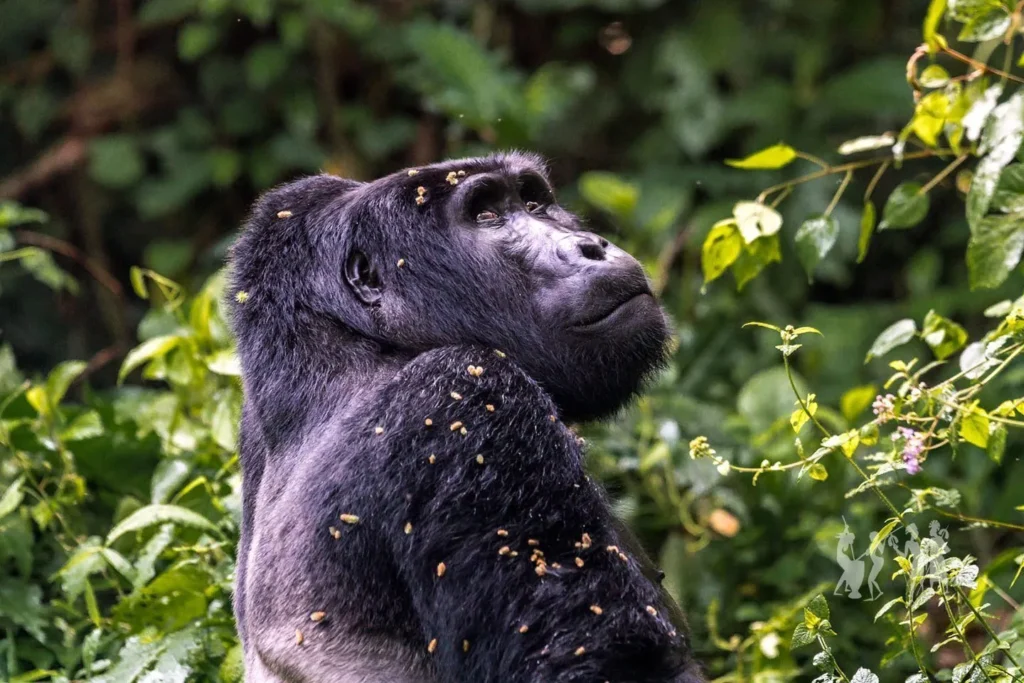
For any Rwanda Gorilla Trekking Safari, Uganda Gorilla Trekking Tour, or combined Kenya Wildlife Safari and Gorilla Trekking adventure, hiking boots are non-negotiable. They provide safety, comfort, and stability on muddy trails, steep inclines, and humid rainforest paths. Waterproof boots with strong grip prevent slips and protect ankles, ensuring trekkers enjoy every moment of observing mountain gorillas.
When paired with gaiters, trekking poles, moisture-wicking socks, and appropriate clothing, hiking boots allow for a seamless, immersive, and safe experience. The investment in proper footwear enhances endurance, reduces fatigue, and allows participation in additional cultural and nature-based activities near safari lodges. Choosing the right boots ensures that your Rwanda Gorilla Trekking Tour, Rwanda Gorilla Trekking and Kenya Safari, or Kenya Wildlife Safari remains safe, unforgettable, and fully aligned with responsible tourism practices.