Silverback Gorilla Trekking Uganda Price – The True Worth of an Unforgettable Encounter
November 29, 2025What Is the Safest Country for Gorilla Trekking? Choosing a Safe Destination for Gorilla Trekking
November 29, 2025
Uganda and Rwanda Gorilla Permit Availability – Planning Your Unforgettable Safari
Securing Your Spot for Gorilla Trekking in Uganda and Rwanda
Planning a Rwanda Gorilla Safari or a combined Rwanda Gorilla Trekking and Kenya Safari begins with understanding gorilla permit availability, the cornerstone of a successful wildlife adventure. These permits not only control visitor numbers to protect delicate ecosystems but also ensure travelers have intimate, safe, and memorable encounters with mountain gorillas. Both Uganda and Rwanda limit permits to preserve gorilla habitats, support conservation programs, and enhance the quality of each trekking experience.
How do I guarantee my gorilla trekking permits? The answer is careful, advance planning. Uganda’s Bwindi Impenetrable National Park and Mgahinga Gorilla National Park provide only a finite number of daily permits. Similarly, Rwanda’s Volcanoes National Park strictly controls access to its habituated gorilla families. Because demand often exceeds supply during peak seasons, permits can sell out months in advance. Understanding availability, peak seasons, and booking procedures allows travelers to craft a seamless Rwanda Gorilla Trekking Safari or a multi-country adventure that combines gorilla trekking with Kenya Wildlife Safaris.
Uganda Gorilla Permit Availability: A Limited and Highly Sought-After Resource
Uganda’s gorilla trekking permits are scarce, creating an exclusive and highly coveted experience for wildlife enthusiasts. Bwindi Impenetrable National Park offers approximately 168 permits per day, while Mgahinga Gorilla National Park has only 8 permits daily. This strict limitation ensures low-impact tourism, protecting gorillas from disturbance while maintaining the pristine condition of the rainforest.
Only eight trekkers are allowed per habituated gorilla group each day, making each encounter incredibly intimate. This controlled approach guarantees that visitors can observe gorillas’ social behavior, feeding routines, and family dynamics up close without overwhelming the animals. Peak season, coinciding with the dry months of June to September and December to February, sees rapid sell-outs. Consequently, travelers must plan 6 months to a year in advance to secure permits for standard treks and at least 3-6 months ahead for the more intensive habituation experiences.
By understanding these numbers, travelers can prioritize flexibility in their travel dates or explore alternative options, such as combining visits to multiple parks or planning Uganda and Rwanda Gorilla Trekking in a single itinerary. Licensed tour operators are invaluable for navigating these restrictions, ensuring permits are secured efficiently while also coordinating transport, lodging, and additional activities like cultural village visits or nature walks around the gorilla trekking lodges.
Rwanda Gorilla Permit Availability: Exclusive Access and Simplified Planning
Rwanda’s Volcanoes National Park, the premier location for a Rwanda Gorilla Trekking Safari, strictly manages the number of visitors permitted to see habituated gorilla families each day. The park has 12 habituated gorilla families, with a maximum of 8 visitors per family per day, mirroring Uganda’s approach to sustainable tourism.
Peak periods, particularly during the dry seasons from June to September and December to February, require early booking to guarantee access. Many travelers aim to schedule permits at least 6 months to a year in advance. Even outside peak seasons, Rwanda’s high-end tourism model encourages advance reservations to align accommodations, guided trekking, and transport logistics.
Rwanda offers simplified booking through the Rwanda Development Board’s Irembo platform, allowing travelers to purchase permits directly online. However, most visitors rely on licensed tour operators for convenience. Tour operators coordinate travel, provide cultural excursions near trekking lodges, and match trekkers with gorilla families suitable for their fitness level. This streamlined process ensures that visitors maximize their time on a Rwanda Gorilla Trekking Tour while experiencing local culture, such as traditional dances, craft workshops, and visits to nearby villages.
Booking Your Gorilla Trekking Permit: Step-by-Step Guidance
Securing a gorilla trekking permit involves several important steps to ensure a smooth, worry-free experience. Tourists often ask: “Should I book directly or through an operator?” Both methods are valid but have distinct advantages.
Through a licensed tour operator
This method is preferred by most travelers because operators have direct access to Uganda Wildlife Authority or Rwanda Development Board systems. Operators handle payments, provide confirmation, and coordinate logistics including transport, accommodation, and cultural activities. Tour operators also help select a suitable gorilla family based on trekking difficulty, fitness level, and personal preferences.
Directly with authorities
Tourists can contact the Uganda Wildlife Authority (UWA) or Rwanda Development Board (RDB) directly via phone or email. While possible, this route may involve longer processing times and requires careful attention to documentation. For any booking, travelers must provide passport details, nationality, and age, as children under 15 are typically ineligible to trek.
Advance planning allows visitors to align their trekking experience with other safari activities, such as a Kenya Safari and Gorilla Trekking combination, creating a seamless adventure across multiple countries while maximizing wildlife encounters and cultural immersion.
Tips for Securing Permits and Planning Your Trek
- Book Early: For peak seasons, secure your permit 6–12 months in advance. Early bookings increase your chances of choosing your preferred trekking date and gorilla family.
- Plan Flexibly: If your dates are fixed, consider weekdays or shoulder months to improve availability and reduce costs.
- Use Trusted Operators: Licensed operators simplify the process and often include accommodations, transfers, and cultural experiences around your lodge.
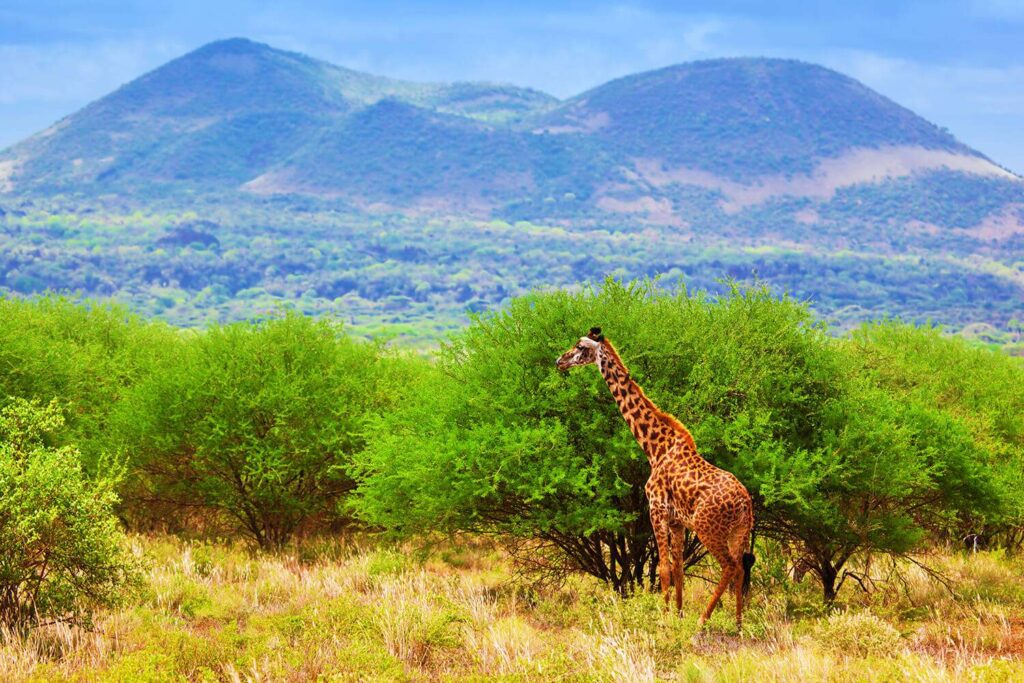
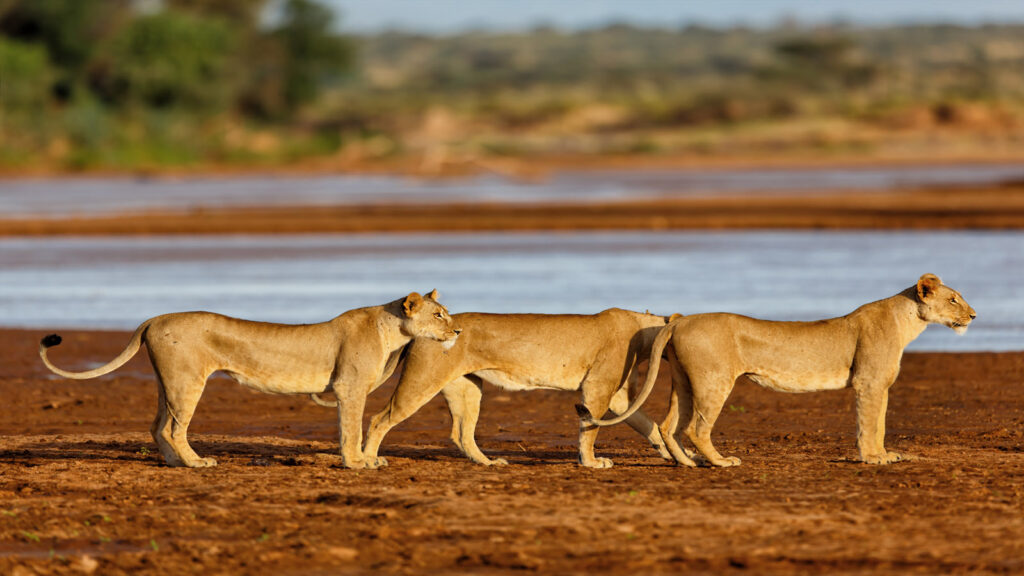
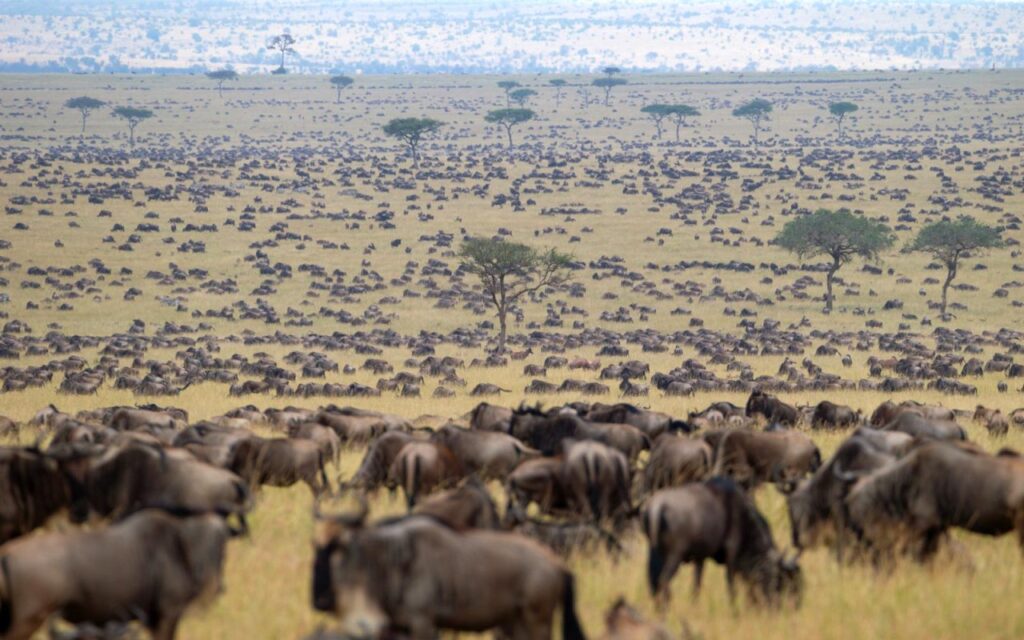
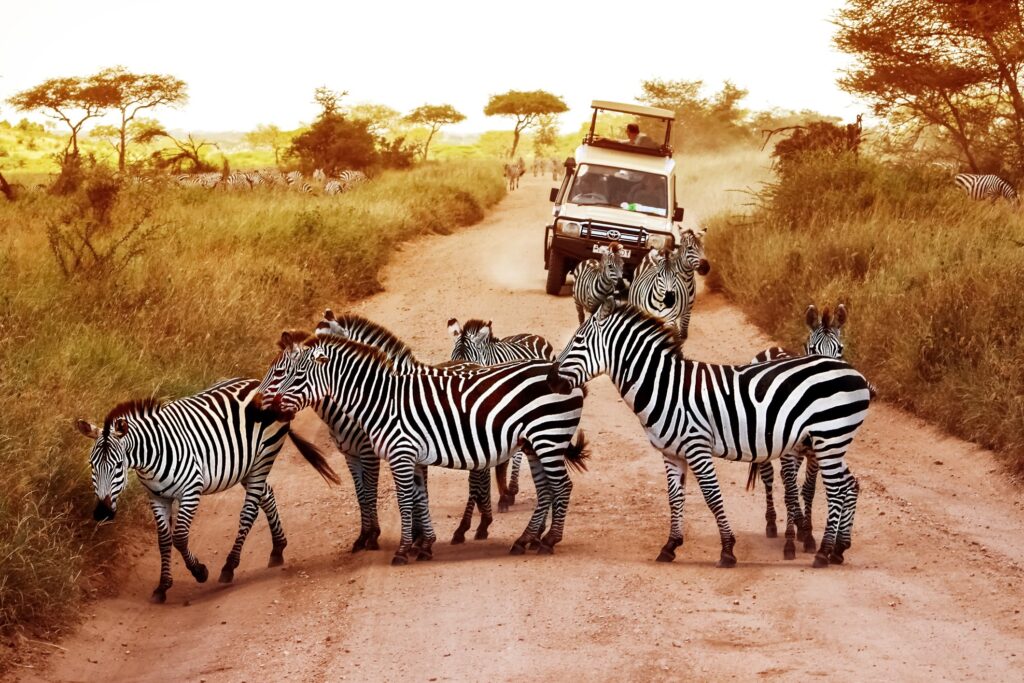
- Combine Experiences: Create richer itineraries by combining Rwanda Gorilla Trekking and Kenya Safaris, offering both rainforest and savannah wildlife encounters in a single trip.
- Prepare Documentation: Passport details, nationality, and age are mandatory for all permit bookings. Ensure accurate information to avoid delays.
Following these strategies ensures a smoother experience and reduces stress, letting travelers focus on the life-changing encounter with mountain gorillas.
Cultural Experiences Around Gorilla Trekking Lodges
While the gorilla encounter is the highlight, the area surrounding trekking lodges offers immersive cultural experiences. In both Uganda and Rwanda, local communities share traditional dances, songs, and craft-making techniques. Visitors can participate in village walks, learn banana beer preparation, or explore local artisan markets.
These cultural experiences complement the wildlife adventure, creating a holistic Rwanda Gorilla Trekking Safari or Uganda Gorilla Trekking journey. By engaging with local communities, travelers support sustainable tourism, contribute to livelihoods, and gain unique insights into the customs and traditions that coexist with protected gorilla habitats.
Why Advance Planning is Essential for Gorilla Permit Availability
Understanding gorilla permit availability is crucial for travelers seeking a successful safari. Limited permits, peak-season demand, and the need for careful coordination with accommodations, transport, and cultural activities make early planning indispensable. By booking well in advance and leveraging licensed operators, visitors secure their place on a standard trek or habituation experience, ensuring an intimate encounter with mountain gorillas.
Whether embarking on a Rwanda Gorilla Trekking Safari, a Kenya Safari and Gorilla Trekking adventure, or a combined multi-country journey, advanced preparation guarantees both convenience and a memorable, transformative wildlife experience. Proper planning enhances safety, maximizes enjoyment, and supports the conservation and community initiatives that make these treks possible.