Kenya vs Tanzania Which is Better for Safari?
January 30, 2026
Kenya Wildlife Safari Cost
January 30, 2026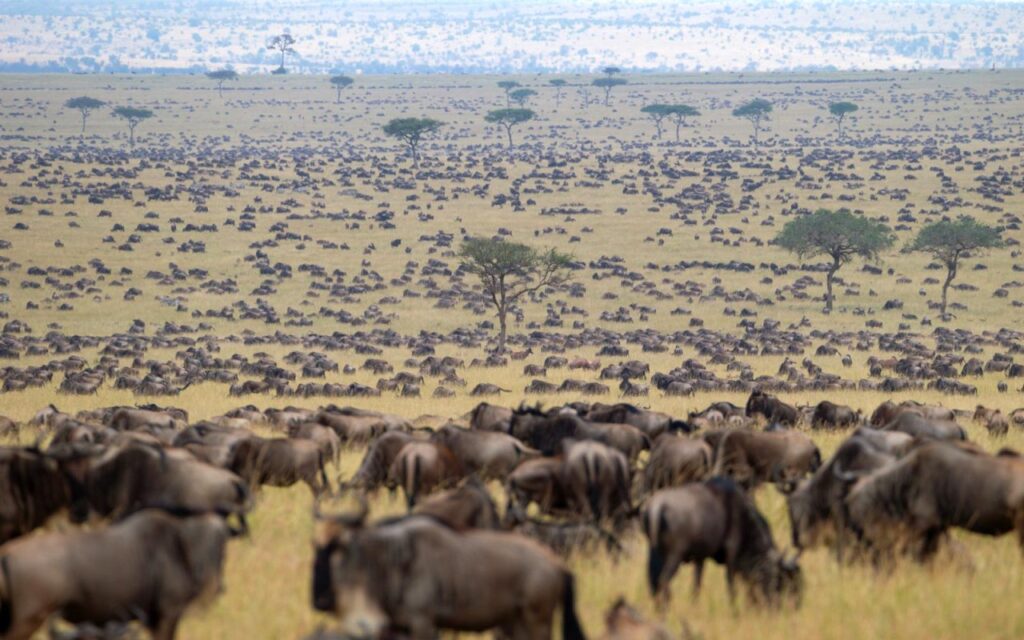
Kenya Wildlife Safari Best Time to Visit – Ultimate Seasonal Guide
A Kenya wildlife safari is one of the world’s most unforgettable travel experiences, offering vast savannahs, the Big Five, and vibrant ecosystems. Choosing the right time to visit is crucial to maximize wildlife sightings, avoid crowds, and enjoy comfortable weather. Kenya Adventure safaris are unique because seasonal changes directly influence animal behavior, migration patterns, and photographic opportunities.
The country’s climate can be divided into dry and wet seasons, each with distinct advantages for wildlife enthusiasts. Dry months provide easier tracking, as animals gather near rivers and waterholes, while wet months bring lush scenery and thriving birdlife. Kenya Safari planners often prioritize July to October for witnessing the Great Migration in the Masai Mara, a breathtaking spectacle when wildebeest, zebras, and gazelles traverse predator-rich landscapes. For travelers seeking quieter experiences, January and February offer optimal game viewing with newborn wildlife and clear skies, while late rains in March to May create dramatic, green landscapes ideal for photography and birding.
Mooi Adventures designs Kenya Wildlife Safaris with seasonal precision, ensuring guests experience both iconic wildlife and authentic cultural encounters. From Maasai village visits to guided game drives, every moment combines adventure with insight, education, and conservation awareness. Selecting the ideal season enhances both comfort and immersion, making every safari a transformative journey into Kenya’s wilderness.
Dry Season: July to October – Prime Wildlife Viewing
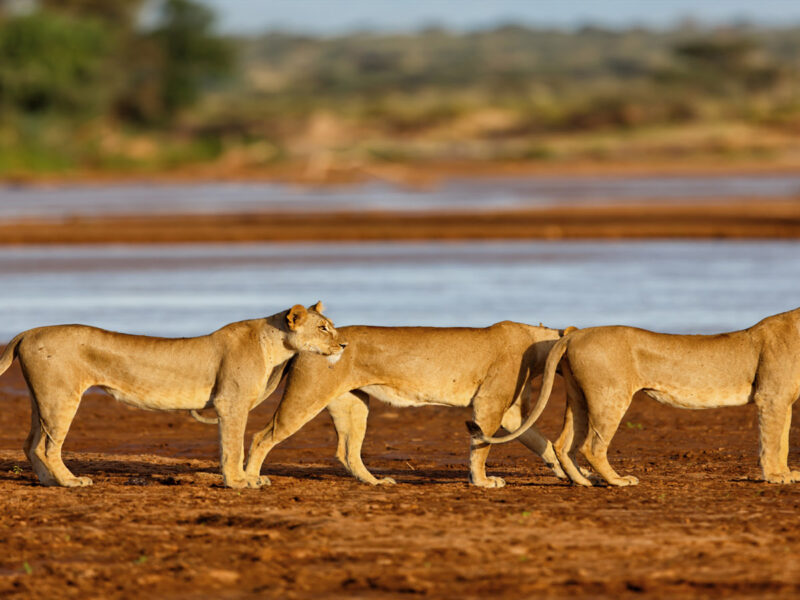
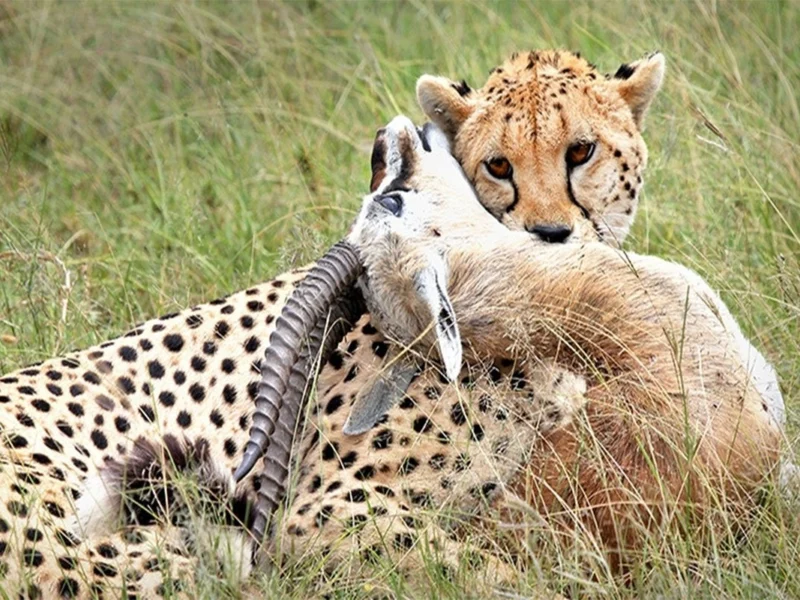
The dry season represents the pinnacle of Kenya Safari experiences. During this period, vegetation thins, water sources concentrate wildlife, and tracking becomes significantly easier. Maasai Mara National Reserve becomes a theater of dramatic wildlife interactions, making it ideal for photographers, wildlife enthusiasts, and first-time visitors. Experienced guides in private 4×4 Land Cruisers lead early morning and late afternoon game drives to maximize sightings of lions, leopards, cheetahs, elephants, and buffalo.
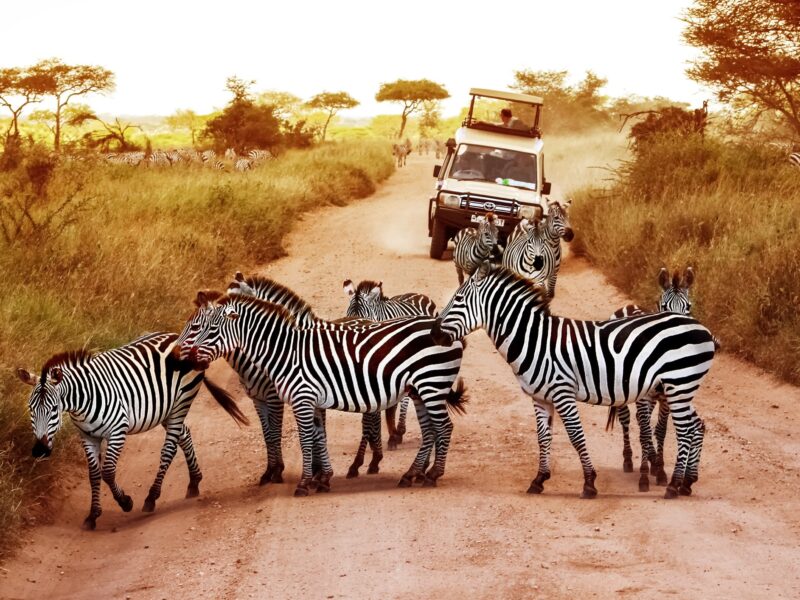
This period also coincides with the Great Migration, an event that transforms the Mara’s plains into a living spectacle. Between late July and October, millions of wildebeest, accompanied by zebras and gazelles, navigate the Mara River, evoking high drama as crocodiles lie in wait and predators strike. Guides position vehicles for optimal viewing, while travelers witness survival, resilience, and natural beauty unfolding across the savannah.
Cultural encounters complement wildlife adventures during the dry season. Guests can visit Maasai villages to observe traditional dances, bead-making, and cattle-herding practices that have sustained communities for centuries. Evening lodge activities often include storytelling around campfires, highlighting conservation efforts and the delicate balance between wildlife and humans. The combination of predictable weather, abundant wildlife, and cultural engagement makes July to October the premier window for Kenya Adventure safaris.
Peak Migration Months: August to September
August and September are the peak months for observing the Great Migration. During this period, thousands of animals cross Mara River channels, creating one of the planet’s most dramatic wildlife events. Early morning drives capture sunrise silhouettes of predators and prey, while afternoon excursions provide opportunities to photograph crocodiles ambushing wildebeest. Safari lodges and camps often organize guided drives along riverbanks for the most spectacular vantage points.
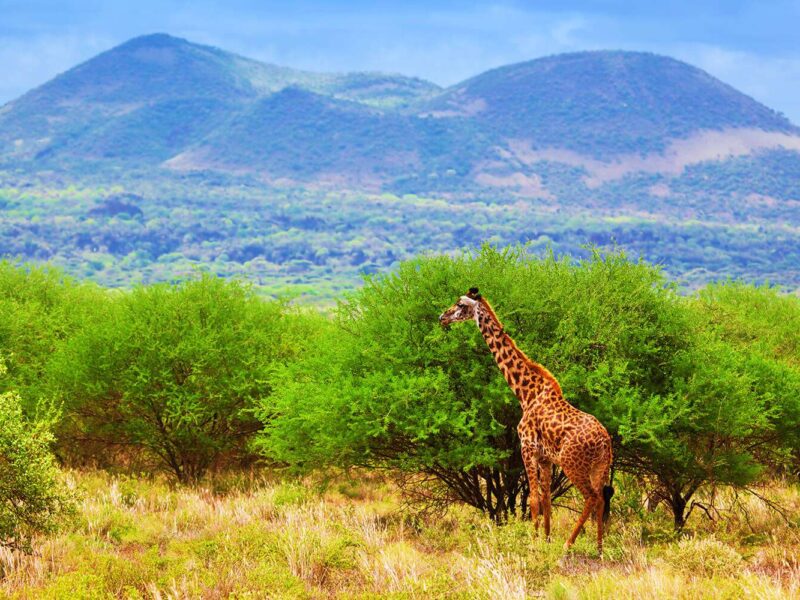
Beyond migration, this period ensures high visibility across the Mara’s rolling plains. Acacia trees dot the landscape, wildlife congregates around sparse waterholes, and predator activity intensifies. Photographers and wildlife enthusiasts benefit from golden light during sunrise and sunset, highlighting Kenya’s savannahs and creating unforgettable imagery. Mid-range and luxury lodges accommodate travelers seeking immersive experiences with personal guides, offering detailed explanations of animal behavior, migration triggers, and conservation efforts.
For cultural enrichment, travelers can explore local Maasai communities, engaging in traditional crafts, song, and dance. These interactions provide context for the region’s human heritage while supporting sustainable tourism initiatives. August and September represent the optimal period for combining high-action wildlife viewing with authentic Kenya adventures, ensuring travelers enjoy a balance of exhilaration and insight.
Early Year Safari: January to February
January and February provide excellent alternatives to the crowded peak season. This dry period features hot, clear weather with minimal rainfall, allowing easy spotting of predators and newborn animals across the savannah. Wildlife congregates near remaining water sources, offering close-range sightings of elephants, lions, and buffalo. Birdwatchers also benefit from high visibility of migratory species, enhancing the diversity of Kenya Wildlife Safaris.
These months are ideal for travelers seeking a quieter experience while still enjoying pristine conditions. Game drives focus on predator-prey interactions, with guides sharing insights into breeding cycles, wildlife behavior, and ecosystem dynamics. Optional activities, such as hot air balloon rides over the Mara or boat excursions on Lake Naivasha, allow travelers to view Kenya’s wilderness from unique perspectives.
Cultural encounters remain integral, with opportunities to visit Maasai villages, observe traditional farming practices, and participate in local crafts. Lodges take advantage of the dry conditions to offer comfortable tented accommodations and exclusive wildlife observation decks. Travelers during January and February experience a combination of privacy, excellent game viewing, and vibrant cultural immersion.
Rainy Seasons: March to May and November to December
While the long rains from March to May and short rains in November to December are less popular for classic Kenya Safaris, these periods offer distinct advantages. Lower visitor numbers reduce costs and allow travelers to enjoy more personalized experiences. Lodges and tented camps may operate at reduced capacity, ensuring privacy and quieter game drives.
The landscape transforms during the rainy season, with lush green plains, full rivers, and thriving vegetation. Birding becomes exceptional, as migratory species arrive in abundance, and baby animals start appearing. Photography enthusiasts benefit from dramatic skies and vibrant scenery. Road conditions may become challenging, emphasizing the need for 4×4 vehicles with expert drivers, which Mooi Adventures provides for maximum safety and comfort.
Cultural experiences are enhanced, as villages are actively engaged in planting and harvesting, providing insight into Maasai and rural Kenyan life. Travelers may join community activities, observe traditional practices, or assist with conservation projects. While wildlife movement may be less predictable, the rainy season offers a unique, authentic perspective on Kenya Adventure safaris.
Monthly Safari Insights
- January – February: Dry, hot, ideal for predator sightings and birding. Fewer tourists allow immersive experiences in Maasai Mara.
- March – May: Long rains create lush scenery. Wildlife viewing remains possible, especially near rivers. Lower prices and fewer crowds.
- June – October: Peak dry season. Best overall wildlife viewing. Great Migration occurs between July and October.
- November – December: Short rains. Excellent for birdwatching and exploring quieter reserves. Scenic landscapes ideal for photography.
Travelers planning during peak months are encouraged to book 6 to 12 months in advance to secure accommodations, particularly for mid-range and luxury lodges near migration hotspots.
Key Takeaways for Optimal Kenya Safari Timing
Selecting the ideal time to visit Kenya enhances wildlife encounters, comfort, and cultural immersion. Dry months provide maximum visibility and migration spectacles, while early-year safaris offer fewer crowds and optimal predator action. Rainy seasons create lush, scenic landscapes, lower costs, and unique birding opportunities. Incorporating Maasai village visits, optional hot air balloon rides, and lake excursions ensures a balanced safari experience that blends wildlife adventure with cultural appreciation.
Mooi Adventures curates Kenya Wildlife Safaris tailored to each season, offering private 4×4 transport, experienced guides, and accommodations ranging from budget tented camps to luxury lodges. Travelers can enjoy immersive game drives, cultural interactions, and optional activities without compromising comfort, safety, or authenticity. By understanding seasonal patterns and planning carefully, every Kenya Safari becomes a transformative journey into Africa’s wilderness and heritage.