
What to Do in Case of an Accident During Safari?
July 14, 2026
Night Forest Walk in Bwindi Impenetrable Forest
July 14, 2026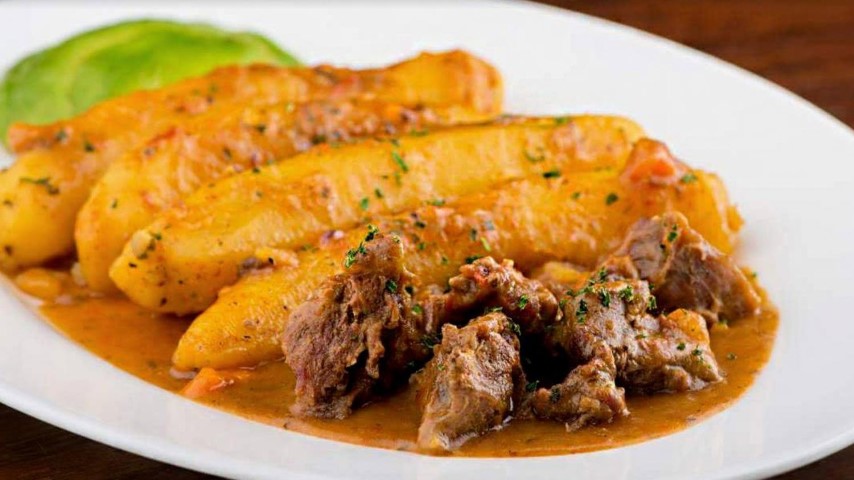
What to Eat in Uganda: A Food Guide for First-Time Visitors
Discover the Authentic Flavors of the Pearl of Africa
What to Eat in Uganda: A Food Guide for First-Time Visitors is one of the most common questions asked by travelers planning unforgettable Uganda Safaris. While Uganda is internationally celebrated for its breathtaking wildlife, unforgettable Uganda Gorilla Safaris, magnificent landscapes, and welcoming people, the country’s culinary heritage is equally impressive and deserves a place on every travel itinerary. Sampling authentic Ugandan cuisine offers visitors a deeper understanding of the country’s diverse cultures, traditions, and everyday lifestyle. Every meal tells a story that reflects Uganda’s agricultural richness, regional diversity, and strong sense of community.
For travelers embarking on Uganda Wildlife Safaris, cultural tours, birding expeditions, or luxury adventures, tasting local food transforms an ordinary holiday into an immersive cultural experience. Whether you are relaxing after gorilla trekking in Bwindi Impenetrable Forest, enjoying a game drive in Queen Elizabeth National Park, exploring Murchison Falls National Park, or visiting vibrant towns and villages, local dishes provide an authentic taste of Uganda’s identity.
Many first-time visitors often ask, What should I eat during Uganda Safaris? Others wonder, What foods are served on Uganda Gorilla Safaris? The answer is simple—Uganda offers an exciting variety of nutritious, fresh, and delicious meals prepared using locally grown ingredients. From hearty traditional staples to tropical fruits harvested throughout the year, Ugandan cuisine caters to every taste and dietary preference. Even international travelers with vegetarian, vegan, or gluten-conscious diets can find satisfying options across the country.
At Mooi Adventures, we believe that food is an essential part of every African journey. Beyond wildlife encounters, we encourage our guests to experience Uganda through its flavors, local markets, traditional cooking methods, and cultural dining experiences. This comprehensive guide explores the must-try foods in Uganda while highlighting how culinary experiences perfectly complement Uganda Safaris, cultural encounters, and unforgettable Uganda Gorilla Safaris.
Traditional Ugandan Foods You Should Never Miss
One of the highlights of What to Eat in Uganda: A Food Guide for First-Time Visitors is discovering the country’s famous traditional meals. Uganda’s cuisine is deeply rooted in farming communities where fresh ingredients are harvested daily and prepared using recipes passed down through generations. The result is wholesome, flavorful food that reflects Uganda’s cultural diversity and hospitality.
Matoke, steamed green bananas, is perhaps Uganda’s most iconic dish. Slowly cooked until soft and served with rich groundnut sauce, beef stew, chicken, beans, or fresh vegetables, matoke is enjoyed across much of the country. It is nutritious, filling, and commonly served in safari lodges, local restaurants, and family homes.
Another favorite is posho, made from maize flour cooked into a smooth, firm consistency. Posho is often paired with beans, fish, beef, chicken, or vegetable stews, making it a staple meal during many Uganda Wildlife Safaris. Sweet potatoes, cassava, millet bread, rice, Irish potatoes, and yams are equally popular and accompany many traditional dishes.
A visit to Uganda would not be complete without tasting the famous Luwombo. This royal Buganda delicacy consists of chicken, beef, smoked fish, or groundnuts slowly steamed inside banana leaves, creating an incredibly tender and aromatic meal. Luwombo showcases Uganda’s rich culinary heritage and remains a favorite during cultural celebrations.
Travelers should also experience local fish dishes prepared from fresh Nile Perch and Tilapia caught from Lake Victoria, Lake Albert, and other freshwater lakes. These are grilled over charcoal, fried to perfection, or cooked in flavorful tomato sauces that highlight Uganda’s abundant natural resources.
During your safari, don’t miss Uganda’s famous Rolex—not the luxury watch, but a delicious street food made by rolling freshly prepared chapati around eggs and vegetables. It is affordable, filling, and loved by both locals and international visitors.
Beyond enjoying local meals, cultural tourism offers opportunities to visit villages where travelers learn traditional cooking techniques, harvest fresh ingredients, prepare meals with local families, and enjoy storytelling, music, and dance. These authentic experiences enrich Uganda Safaris by connecting visitors with local communities while supporting sustainable tourism. Visitors often ask, Can Uganda Gorilla Safaris include cultural food experiences? Absolutely. Many itineraries combine gorilla trekking with visits to the Batwa communities, the Baganda Kingdom, the Banyankole pastoralists, or the Karamojong people, where guests experience unique traditional cuisines and cultural hospitality.
Fresh Tropical Fruits, Local Drinks, and Culinary Experiences During Uganda Safaris
Another reason What to Eat in Uganda: A Food Guide for First-Time Visitors deserves attention is Uganda’s incredible variety of fresh fruits available throughout the year. Uganda’s fertile soils and favorable climate produce some of Africa’s sweetest tropical fruits, many grown organically by local farmers.
Visitors can enjoy juicy pineapples, sweet mangoes, passion fruits, papayas, jackfruit, watermelon, oranges, avocados, bananas, guavas, and tree tomatoes. These fruits are often served fresh at safari lodges, hotels, and restaurants or blended into refreshing juices without artificial additives. Their freshness provides travelers with natural energy during adventurous days of wildlife viewing and gorilla trekking.
Uganda is also gaining recognition for its high-quality Arabica and Robusta coffee, grown on the slopes of Mount Elgon, the Rwenzori Mountains, and several other regions. Coffee lovers can visit local plantations to learn about cultivation, harvesting, roasting, and brewing while enjoying freshly prepared cups directly from the source. Likewise, Uganda produces excellent black tea cultivated in western Uganda’s scenic highlands.
Traditional beverages also form part of Uganda’s cultural identity. Local millet drinks, banana juice, fermented banana beverages, and herbal teas offer unique tastes for adventurous visitors seeking authentic cultural experiences.
Food markets provide another exciting culinary adventure. Markets in Kampala, Jinja, Fort Portal, Kabale, and Mbarara showcase colorful displays of fruits, vegetables, spices, grains, and local snacks. Guided market tours allow visitors to interact with vendors, discover indigenous ingredients, and understand how food supports Uganda’s economy and daily life.
Travelers frequently ask, What foods are included during Uganda Safaris? Most safari packages prepared by Mooi Adventures include a combination of international cuisine and authentic Ugandan meals, ensuring guests experience local flavors while enjoying comfortable dining standards. Luxury lodges often blend traditional recipes with modern culinary techniques, creating memorable dining experiences overlooking spectacular national parks and wildlife habitats.
Why Food Experiences Make Uganda Safaris Even More Memorable
The true value of What to Eat in Uganda: A Food Guide for First-Time Visitors lies in understanding that food is more than nourishment—it is an important gateway into Uganda’s vibrant culture and warm hospitality. Every traditional meal reflects generations of knowledge, local farming practices, community values, and regional identities that have shaped Uganda into one of Africa’s most fascinating travel destinations.
Visitors planning Uganda Gorilla Safaris, wildlife adventures, birdwatching holidays, photography expeditions, or family vacations should include culinary experiences alongside game drives and primate encounters. Sharing meals with local families, participating in traditional cooking sessions, visiting coffee farms, exploring fresh produce markets, and attending cultural performances create lasting memories that extend beyond wildlife viewing.
Cultural experiences perfectly complement culinary adventures throughout Uganda. Guests can enjoy traditional dances performed by the Batwa after gorilla trekking, experience the vibrant customs of the Bagisu during coffee-growing tours, visit the Banyankole communities to learn about their famous long-horned Ankole cattle and milk traditions, or interact with the Karamojong to understand their pastoral lifestyle. These encounters allow travelers to appreciate the close relationship between food, culture, and everyday life.
At Mooi Adventures, we design personalized journeys that combine exceptional wildlife experiences with meaningful cultural immersion and authentic local cuisine. Whether you are searching for affordable Uganda Safaris, luxury holidays, tailor-made adventures, or unforgettable Uganda Gorilla Safaris, our experienced team ensures every itinerary introduces you to the remarkable flavors that define Uganda.
Ultimately, What to Eat in Uganda: A Food Guide for First-Time Visitors serves as an invitation to experience Uganda with all your senses. From the comforting taste of matoke and Luwombo to freshly harvested tropical fruits, premium Ugandan coffee, and vibrant cultural dining experiences, every meal enriches your understanding of the Pearl of Africa. When you travel with Mooi Adventures, you do not simply observe Uganda—you taste its traditions, celebrate its cultures, and create lifelong memories through unforgettable culinary and safari experiences.