Maasai Cultural Safari in Serengeti National Park
January 8, 2026
Rwanda Gorilla Trekking and Serengeti Safari
January 8, 2026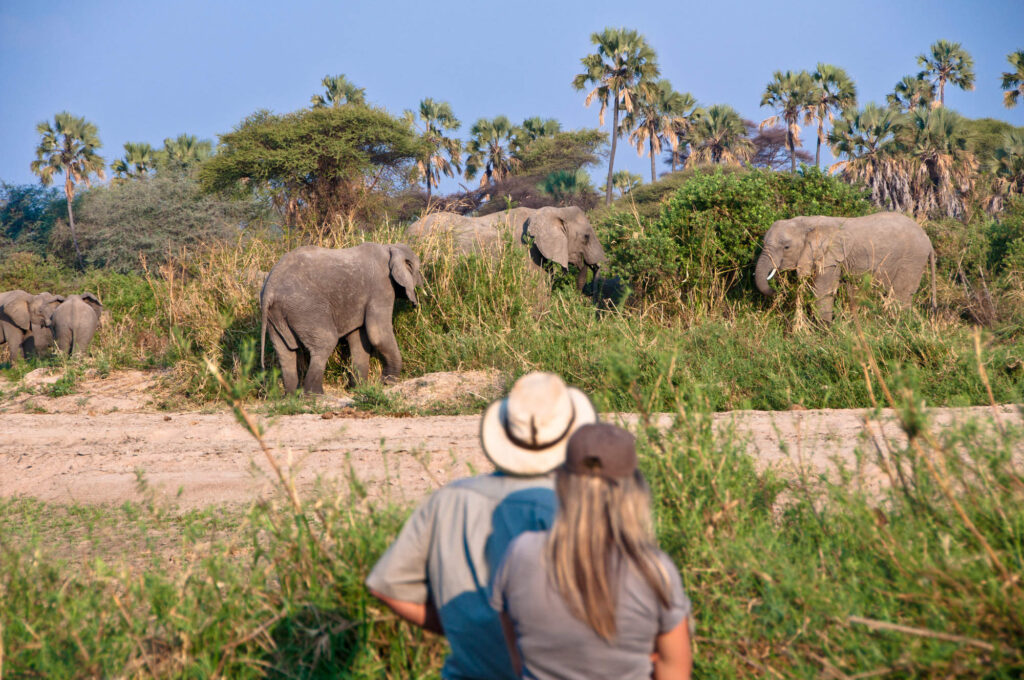
Photography Safari in Serengeti National Park
A photography safari in Serengeti National Park presents an unparalleled opportunity to document the splendor of Africa’s wildlife and landscapes. With its vast plains, iconic predators, and the seasonal spectacle of the Great Migration, the Serengeti remains a top destination for professional and amateur photographers alike. The success of a photography-focused safari depends on careful planning, understanding seasonal wildlife behavior, and equipping oneself with the right camera gear. Photographers can combine their passion with immersive experiences, including Tanzania Safaris, African Jungle Safaris, Tanzania Uganda Safaris, and Tanzania Luxury Safari packages.
Beyond capturing animals, a photography safari immerses guests in the dramatic interplay of light, terrain, and natural rhythms. Sunrise over the rolling plains bathes herds of wildebeest in golden hues, while storm-laden clouds of the wet season provide striking backdrops for action shots of lions and cheetahs. Incorporating cultural visits, such as Maasai villages or local conservation programs, adds unique context to your portfolio. This blend of wildlife, scenery, and cultural insight positions your images—and your experience—at the forefront of East African safari storytelling.
Optimal Timing for Wildlife Photography
Timing is critical for maximizing photographic opportunities in the Serengeti. The park offers distinct seasonal variations, each providing unique visual experiences for photographers.
Year-round Wildlife
The Central Serengeti, especially the Seronera Valley, offers reliable sightings of big cats, elephants, and other resident species. Photographers can focus on intimate wildlife behavior, capturing lions stalking or leopards resting in trees, without the distraction of dense foliage.
The Great Migration (July to October)
This period is ideal for dynamic, high-action shots. Wildebeest and zebra crossings at the Mara and Grumeti Rivers provide dramatic compositions, with predators adding intensity. Dry conditions reduce vegetation, improving visibility, while soft morning and evening light enhances image clarity and contrast, making long-distance telephoto shots crisp and vibrant.
Calving Season (January to March)
In the Southern Serengeti and Ndutu plains, photographers witness newborn wildlife and intense predator-prey interactions. The landscape is lush and verdant, creating vibrant backdrops, soft light, and unparalleled opportunities for capturing natural behavior in a vivid setting.
Green Season (November to May)
Although rain is possible, the green season transforms the savannah into a vibrant canvas. Migratory birds display colorful breeding plumage, and dramatic skies provide atmospheric conditions perfect for creative photography. Fewer tourists ensure tranquil, uninterrupted shooting conditions, ideal for Tanzania Luxury Safaris or Tanzania Kenya Safaris photographers seeking exclusive experiences.
Essential Equipment for a Professional Safari
Having the right gear dramatically affects the quality of images captured on a photography safari.
Camera Gear
A DSLR or mirrorless camera with fast autofocus is essential. Telephoto lenses (300mm to 600mm) allow safe and effective wildlife close-ups, while wide-angle lenses capture sweeping landscapes and dramatic skies. Extra batteries, memory cards, and lens-cleaning kits are crucial, as park conditions can be dusty and unpredictable.
Lighting Considerations
Wildlife is most active during the “golden hours” of early morning and late afternoon. Shooting during this time provides warm, soft light that enhances textures and colors, reduces harsh shadows, and allows dramatic compositions. Photographers should avoid midday light when contrast is harsh, using the sun creatively for silhouettes or illuminating airborne dust and breath for storytelling effects.
Technique Tips
Fast shutter speeds (1/1000s or faster) are necessary for capturing action sequences, while focusing on animal eyes conveys emotional depth. Burst mode ensures fleeting moments are recorded, and patience is vital. Maintaining a respectful distance from wildlife not only ensures safety but also preserves natural behavior, which translates into more authentic and compelling images.
Specialized Photography Safaris
Many operators offer tailor-made photography safaris that combine expert guidance, strategic planning, and customized vehicles. These specialized safaris enhance creative potential, providing open-top 4×4 vehicles, ample space for gear, and priority access to high-traffic wildlife zones.
Professional guides and photographers often accompany guests, offering technical advice, guiding compositions, and highlighting species behaviors that create story-rich images. Companies such as African Environments, Saso Uganda Safaris, and Miracle Experience Balloon Safaris also integrate aerial photography options, allowing bird’s-eye perspectives of the Serengeti. Incorporating hot air balloon rides or walking safaris into photography itineraries provides diverse angles, adding depth and narrative to photographic projects.
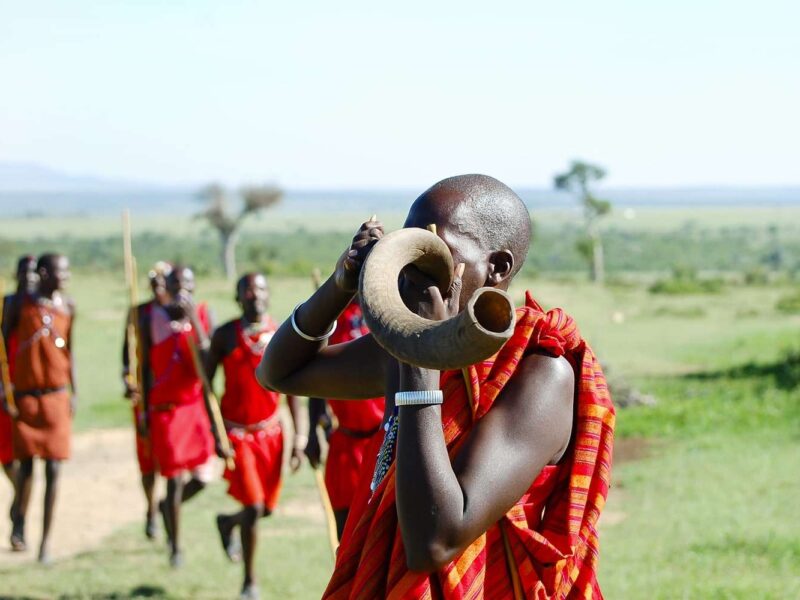
These safaris also integrate cultural and ecological insights. Guests may photograph Maasai villagers performing traditional dances, beadwork, or cattle herding, contextualizing wildlife images with human heritage. Conservation-focused interactions, such as documenting anti-poaching initiatives, further enrich the portfolio while promoting ethical and responsible wildlife photography.
Key Locations and Wildlife Hotspots
The Serengeti’s ecosystem is vast, and selecting locations is crucial for maximizing photographic diversity.
Seronera Valley
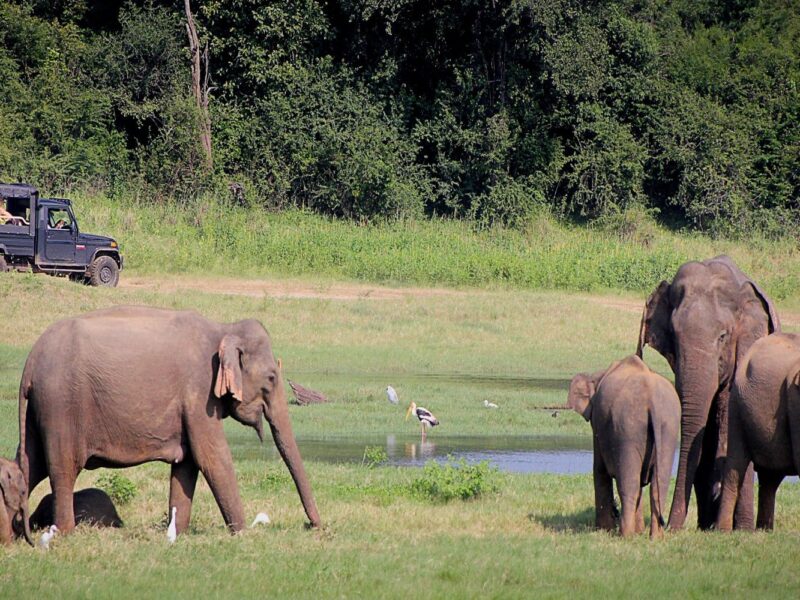
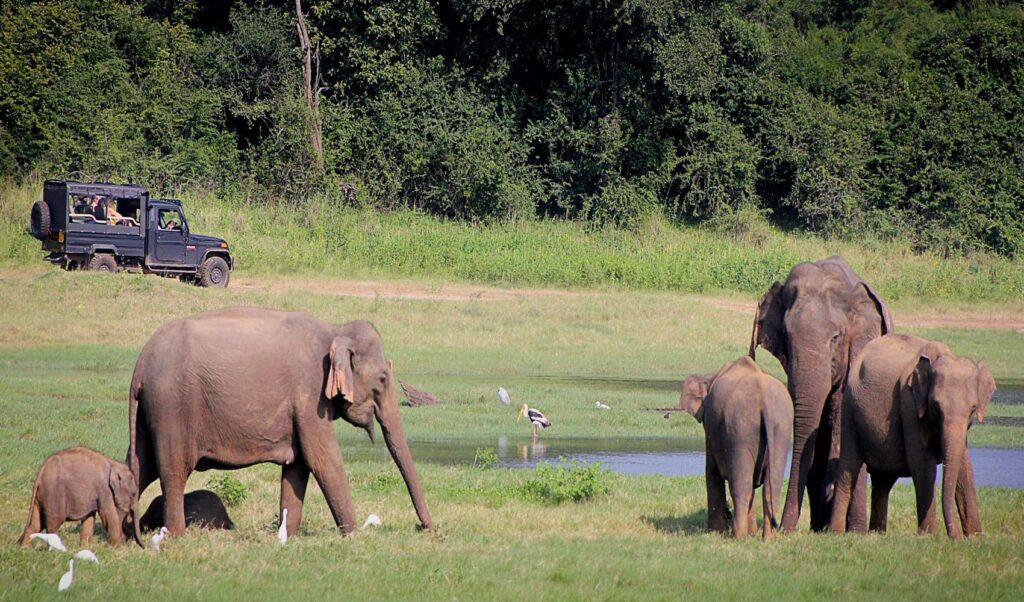
Central Serengeti offers dependable big cat sightings, scenic riverbanks, and resident herbivores. This area is ideal for capturing predator-prey dynamics, solitary lions, or elephants drinking at waterholes.
Northern Serengeti (Mara River, Kogatende)
This is the prime region during the Great Migration. River crossings provide cinematic action sequences with dramatic currents, leaping wildebeest, and ambushing crocodiles.
Southern Serengeti (Ndutu Plains)
Calving season dominates this area from January to March. Photographers can capture newborn wildebeest, cheetahs stalking calves, and lush green plains under soft morning light.
Western Corridor (Grumeti River)
Dense riverine forests, hippo pools, and unique birding opportunities offer varied compositions. Raptors, storks, and waterbirds complement terrestrial subjects, creating multi-layered photo stories.
Planning Tips for a Successful Photography Safari
Successful photography safaris rely on preparation, flexibility, and knowledge of local conditions. Booking early ensures access to prime lodges and permits, particularly during peak seasons. Selecting lodges that provide direct access to wildlife zones, such as luxury lodges in the Central Serengeti or Grumeti Reserve, minimizes travel time and maximizes shooting opportunities.
Travelers should coordinate with experienced tour operators to combine photography safaris with cultural experiences, walking safaris, and hot air balloon flights, optimizing both variety and timing for professional-grade images. Maintaining patience, respecting wildlife protocols, and adapting to seasonal shifts ensures a portfolio rich in both biodiversity and storytelling, reinforcing your status as a serious wildlife photographer.
Conclusion: Creating Lasting Memories Through Photography
A photography safari in Serengeti National Park is a transformative adventure, blending visual storytelling, wildlife observation, and cultural immersion. The park’s diverse landscapes, seasonal wildlife spectacles, and atmospheric conditions provide endless opportunities for creative expression, whether documenting the Great Migration, calving season, or resident big cats.
By combining expert guidance, tailored itineraries, and ethical wildlife practices, photographers can capture images that tell authentic stories, inspiring global audiences while supporting conservation awareness. For those seeking Tanzania Luxury Safaris, Tanzania Uganda Safaris, Tanzania Kenya Safaris, or African Jungle Safaris, a photography safari in Serengeti elevates the standard of adventure travel, offering unforgettable encounters that extend beyond the frame of the camera.