What Shoes to Wear for Gorilla Trekking? Why Proper Footwear Matters on Gorilla Treks
November 30, 2025
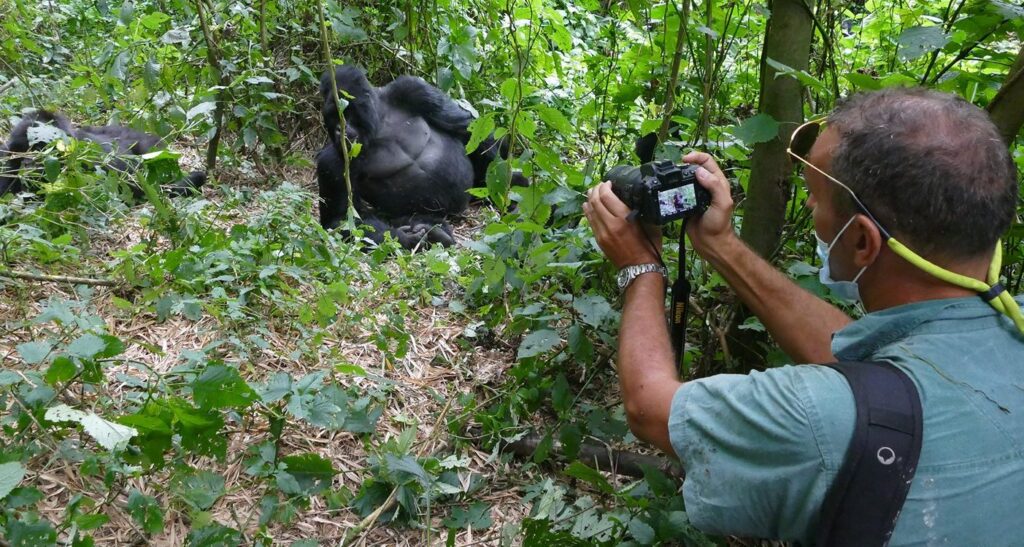
Why Do People Wear Masks When Gorilla Trekking? Understanding Safety in Gorilla Trekking
November 30, 2025
Which Month Is Best for Gorilla Trekking in Uganda?
For travelers planning a Uganda Gorilla Safari or a combined Uganda and Rwanda Gorilla Trekking Safari, timing is critical to ensure a safe, enjoyable, and memorable experience. Which month is best for gorilla trekking in Uganda? The answer depends largely on weather patterns, trail conditions, and wildlife activity. Uganda experiences two main dry seasons each year, creating ideal conditions for trekking through dense rainforests such as Bwindi Impenetrable Forest and Mgahinga Gorilla National Park. Dry trails make hiking safer, reduce slipping hazards, and allow for longer and more comfortable treks.
Trekking during the dry months also improves the chances of observing mountain gorillas in natural daylight, with fewer interruptions from rain. Additionally, dry season visits allow travelers to enjoy complementary activities, such as guided forest walks, visits to local Batwa communities, or wildlife safaris in nearby national parks. For those combining Uganda Gorilla Trekking and Kenya Safaris, the timing of your trip ensures smoother travel, optimal wildlife sightings, and a more immersive East African adventure.
Optimal Months for Gorilla Trekking in Uganda
The best months for gorilla trekking in Uganda fall within the two dry seasons. The first dry season occurs between December and February, coinciding with sunny skies, cooler temperatures, and firmer trails. This period is ideal for visitors seeking to experience gorilla trekking without the interruptions of rainfall. Trekking during these months allows guides to navigate the dense rainforest efficiently, while visitors enjoy panoramic views of misty mountains and lush greenery.
The second dry season occurs from June to August, offering similar favorable conditions. This mid-year period is particularly popular among international travelers because it coincides with summer vacations in the Northern Hemisphere. Dry trails, moderate temperatures, and longer daylight hours make trekking safer and less physically demanding. Both dry seasons also provide excellent opportunities to combine gorilla trekking with other adventures, including chimpanzee tracking, bird watching, or multi-country safaris combining Rwanda Gorilla Tours and Kenya Wildlife Safaris.
Why Dry Seasons Are Ideal for Gorilla Trekking
Dry seasons in Uganda offer several advantages for a Gorilla Trekking Safari. First, trails are less muddy, making hikes easier on your ankles and knees while reducing physical strain. Second, visibility improves, allowing trekkers to spot gorillas and other wildlife more clearly in the dense forest canopy. Third, dry weather reduces the likelihood of leeches, slippery roots, and flooded trails, which can hinder trekking and slow progress.
Moreover, trekking during dry months enhances the overall experience for photography enthusiasts. Sunlight filtering through the rainforest canopy creates stunning visuals of gorillas, their playful interactions, and the surrounding flora. Guides can also lead treks more efficiently, maximizing the time visitors spend observing habituated gorilla families. For those planning extended adventures, combining Uganda Gorilla Trekking and Kenya Safaris is easier during these months, as transport between parks and countries becomes more predictable, safe, and comfortable.
Off-Season Gorilla Trekking Considerations
While the dry seasons offer the best trekking conditions, some travelers may prefer visiting during the wet or “green” seasons: March to May and September to November. During these months, trails can be muddy and more physically challenging, yet the rainforest appears vibrant and lush. Trekking in the wet season also means fewer tourists, providing a more intimate encounter with gorilla families and reducing competition for permits.
Visitors who choose off-season trekking should prepare for heavier rain, slippery terrain, and occasional delays. Hiring porters and wearing waterproof gear becomes essential. Green-season trekking can still offer rewarding experiences, especially for those who prioritize solitude, serene forest landscapes, and close wildlife encounters over convenience and dry trail conditions. It also allows budget-conscious travelers to find slightly lower rates for lodges and tour packages, while still enjoying a Uganda Gorilla Safari or Kenya and Uganda Gorilla Trekking Safari.
Tips for Planning Your Gorilla Trekking Trip Around the Best Months
To maximize your Uganda Gorilla Trekking experience, consider the following tips when planning your travel:
Book permits in advance: Gorilla permits are limited, and dry season months are particularly competitive. Securing permits six to twelve months ahead ensures availability.
Choose the right lodge: Staying close to park entrances in Bwindi or Mgahinga minimizes early-morning travel time and enhances comfort. Many lodges also offer cultural experiences, like visits to local Batwa villages or guided forest walks.
Pack for weather: Even in dry seasons, temperatures can vary. Bring lightweight moisture-wicking clothing, waterproof jackets, and sturdy hiking boots.
Combine activities: Dry seasons are ideal for multi-day safaris. Combine your Rwanda Gorilla Trekking Tour or Kenya Wildlife Safaris with gorilla treks for a complete East African adventure.
The Best Month to Visit Uganda for Gorilla Trekking
In conclusion, the best months for gorilla trekking in Uganda are December to February and June to August, when dry conditions make treks safer, easier, and more enjoyable. These periods offer excellent opportunities to observe mountain gorillas in their natural habitat, enjoy lush rainforest scenery, and combine treks with additional safari or cultural experiences.
Travelers planning a Uganda Gorilla Safari, Rwanda Gorilla Trekking Tour, or Kenya and Uganda Gorilla Trekking Safari should align their trip with these dry months to maximize comfort, wildlife encounters, and overall adventure. Proper planning, early permit booking, and thoughtful preparation ensure an unforgettable journey through East Africa’s most iconic gorilla habitats, creating memories that last a lifetime.