Gorilla Trekking Permit Cost
November 27, 2025
How Hard Is Gorilla Trekking in Uganda? Understanding the Challenge of Gorilla Trekking
November 28, 2025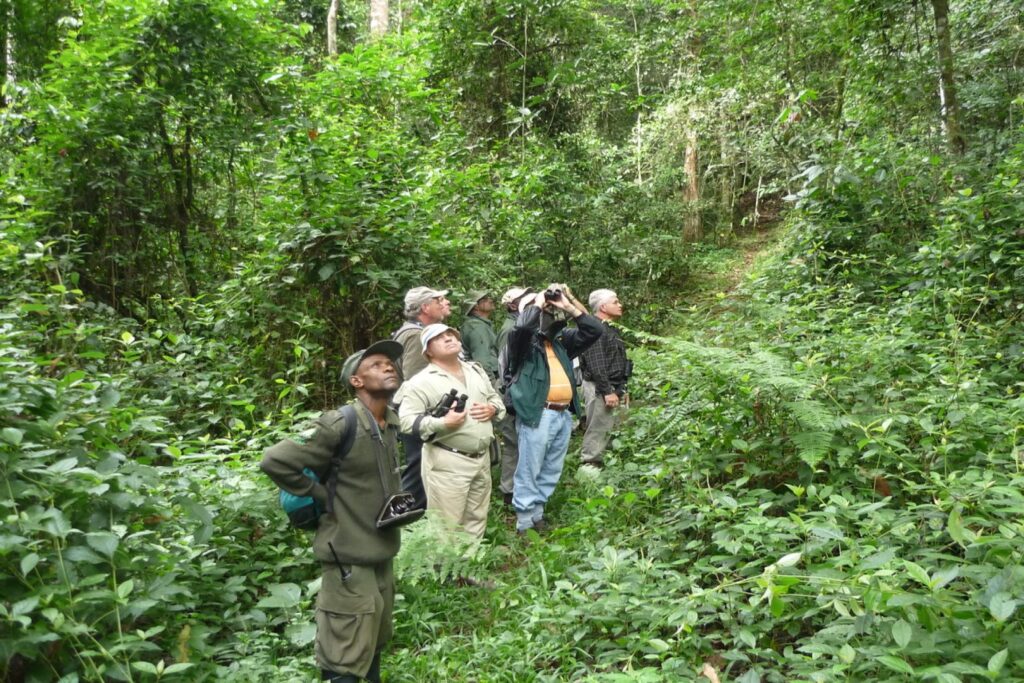
How Fit Do You Need to Be for Gorilla Trekking? – A Complete Guide
Embarking on a Rwanda Gorilla Trekking Safari is a dream for wildlife enthusiasts, combining adventure, conservation, and cultural immersion. Am I fit enough for gorilla trekking? The answer depends on your physical preparedness, stamina, and approach to hiking in challenging terrain. Gorilla trekking involves walking through dense forests, ascending steep slopes, and navigating uneven paths. It is not an extreme sport, but it does require moderate fitness to fully enjoy the experience without fatigue. The reward, however, is unparalleled: a close encounter with majestic mountain gorillas, an unforgettable view of the Virunga volcanoes, and the satisfaction of supporting conservation efforts.
Your level of fitness will influence your trekking experience. While younger or more active travelers may find the journey relatively easy, others may benefit from preparation and support, such as hiring porters or selecting less strenuous trekking routes. Proper planning ensures your Rwanda Gorilla Trekking Tour is not only physically manageable but also immersive, allowing you to absorb every detail of the forest, the gorilla families, and the surrounding cultural landscape near your lodge.
Understanding the Physical Demands of Gorilla Trekking
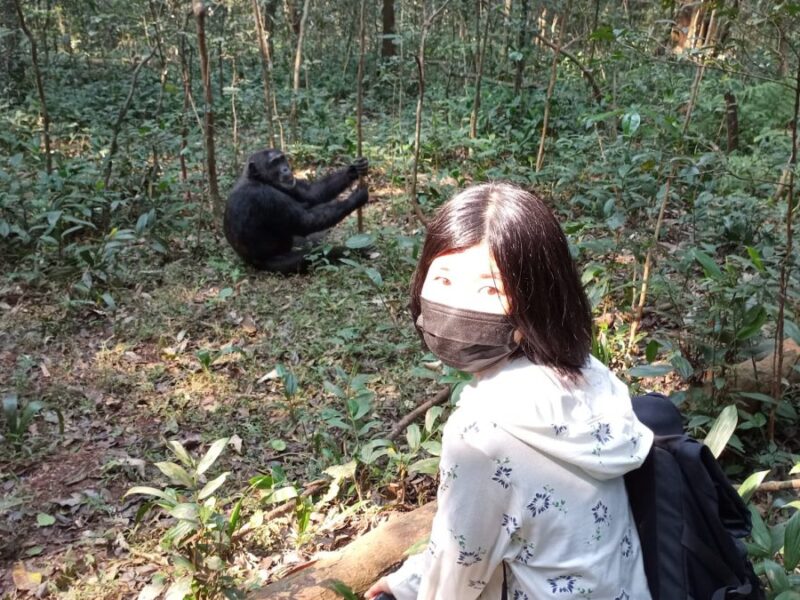
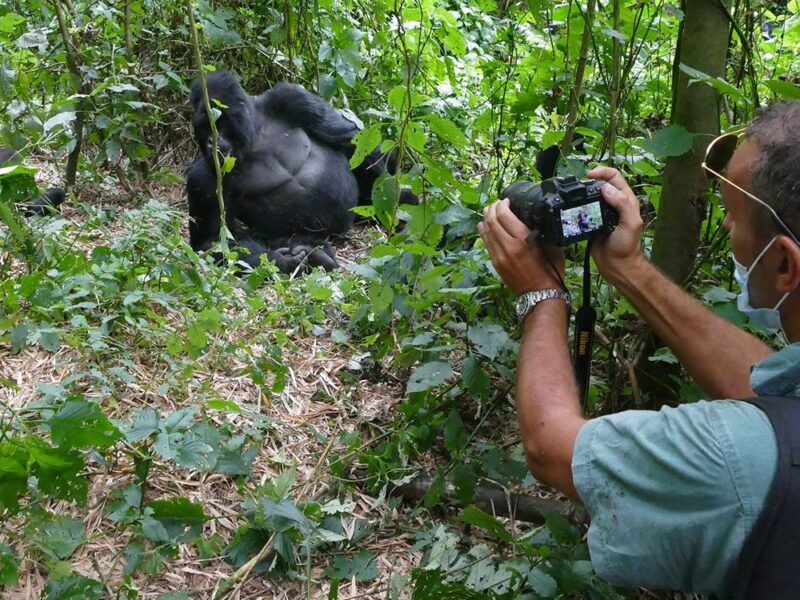
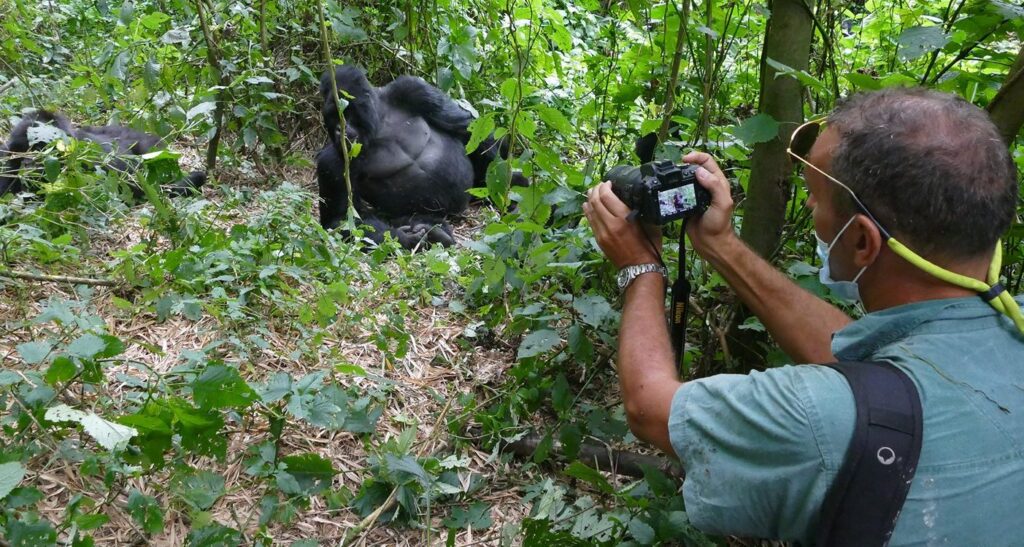
Gorilla trekking requires navigating uneven terrain, often covered with thick undergrowth, mud, or bamboo thickets. Treks can last anywhere from two to six hours, depending on gorilla location and hiking conditions. Travelers must ascend hills, maneuver around tree roots, and sometimes traverse steep slopes to reach habituated gorilla families. The physical challenge varies by park and trail, with Rwanda’s Volcanoes National Park offering generally more accessible paths compared to Uganda’s dense Bwindi Impenetrable Forest.
Walking endurance is key. Moderate aerobic fitness, gained through regular walking, jogging, or cycling, allows trekkers to maintain energy and enjoy the experience without excessive strain. Leg strength and balance also play crucial roles, helping trekkers manage slippery or uneven surfaces. Even for those with limited fitness, trekking can remain accessible through strategic planning. Hiring a porter to carry equipment or arranging a lighter trail ensures you remain engaged without overexertion, making your Rwanda Gorilla Trekking Safari a safe, enjoyable, and memorable journey.
Fitness Requirements and Recommended Preparation
What fitness level is recommended for a gorilla trek? For most travelers, moderate fitness suffices. If you can comfortably walk for two to three hours on hilly or uneven terrain with short breaks, you are well-prepared. Those accustomed to regular aerobic exercise, hiking, or active travel will have a distinct advantage, finding the trek less demanding and more enjoyable. High fitness levels are a bonus but not mandatory; even beginners can complete treks with preparation and pacing.
Preparing for the trek ideally begins two to three months in advance. Incorporate aerobic exercises, strength training, and flexibility routines to improve endurance, leg strength, and balance. Walking on varied terrain, stair climbing, and carrying a small backpack during training sessions simulate trek conditions. Proper gear, including sturdy hiking boots, rain jackets, gloves, and long-sleeved shirts, enhances safety and comfort. By investing in preparation, travelers optimize their Rwanda Gorilla Trekking Tour experience, ensuring energy levels remain high for both trekking and exploring nearby cultural sites.
Support Options for Less Confident Trekkers
Even if physical fitness is not your strongest attribute, gorilla trekking remains possible. A range of support options allows travelers of varying abilities to enjoy the experience without compromising safety. Hiring a porter can alleviate the burden of carrying gear, while sedan chairs carried by porters offer an option for elderly or less mobile trekkers. Tour operators can match your fitness level to suitable gorilla families or specific trail sections, ensuring accessibility without reducing the quality of the wildlife encounter.
Additionally, selecting shorter or less strenuous treks helps balance challenge and comfort. Some gorilla families reside at lower altitudes or along gentler trails, making them ideal for travelers with moderate stamina. Guides provide pacing advice, rest breaks, and navigation support, allowing trekkers to fully enjoy the Rwanda Gorilla Trekking Safari while maintaining safety. Combining these supports with preparation and proper equipment ensures that the trek remains a transformative and unforgettable experience.
Cultural Experiences to Complement Your Gorilla Trekking Fitness Journey
While fitness prepares travelers for the trek, cultural experiences around the lodge enhance the overall Rwanda Gorilla Tour. Many lodges are situated near local communities offering traditional dances, music performances, and craft-making workshops. Participating in these activities allows travelers to rest and stretch while engaging with local culture, connecting conservation efforts to community development.
Local village tours, coffee plantation visits, and cooking classes offer immersive learning opportunities. These experiences complement trekking by balancing physical activity with cultural enrichment, ensuring a holistic safari. Trekking combined with cultural interaction not only builds appreciation for Rwanda’s natural beauty but also contributes to sustainable tourism. Travelers supporting local communities help sustain gorilla conservation programs and generate lasting economic benefits.
Tips to Maximize Fitness and Trekking Experience
- Train Regularly: Begin a walking, jogging, or hiking routine two to three months before your trek.
- Strengthen Core and Legs: Include exercises like lunges, squats, and stair climbing to enhance balance and endurance.
- Use Trekking Poles: Poles provide stability on uneven terrain and reduce strain on knees and joints.
- Layer Clothing: Dress in breathable layers to manage changing temperatures, and always carry rain protection.
- Stay Hydrated and Nourished: Bring water and light snacks to maintain energy throughout the trek.
By following these tips, trekkers ensure their Rwanda Gorilla Trekking Safari is not just achievable but also deeply rewarding, combining adventure, wildlife observation, and cultural immersion.
Fitness and Accessibility for an Unforgettable Gorilla Trekking Safari
In summary, travelers with reasonable fitness can enjoy a Rwanda Gorilla Trekking Tour with proper preparation and support. Moderate endurance, strength, and balance are sufficient to navigate trails and fully engage with gorilla encounters. For those concerned about physical limitations, hiring porters, selecting easier treks, or using sedan chairs ensures safety and comfort. Combining trekking with cultural experiences around the lodge further enriches the journey, creating a holistic, life-changing adventure.
Whether planning a Rwanda Gorilla Trekking Safari, a multi-day Kenya Safaris and Gorilla Trekking trip, or a combined East African wildlife experience, understanding fitness requirements allows travelers to prepare effectively. With training, proper gear, and support, even moderately fit individuals can safely experience the awe-inspiring majesty of mountain gorillas while supporting conservation and local communities. This preparation guarantees that every moment of the trek becomes a treasured memory, forming the foundation of a world-class African safari adventure.