What Is the Safest Country for Gorilla Trekking? Choosing a Safe Destination for Gorilla Trekking
November 18, 2025
Am I Fit Enough for Gorilla Trekking? Preparing for a Rwanda Gorilla Trekking Safari
November 27, 2025
What Shoes to Wear for Gorilla Trekking? Why Proper Footwear Matters on Gorilla Treks
When planning a Rwanda Gorilla Safari, a Rwanda Gorilla Trekking Tour, or even a combined Rwanda Gorilla Trekking and Kenya Safari, one of the most crucial considerations is footwear. Mountain gorilla habitats are located in dense rainforests, high-altitude volcanic slopes, and muddy trails, where unstable terrain can easily lead to slips, falls, or fatigue. Choosing the right shoes ensures not only safety but also comfort and confidence during hours of hiking through steep and uneven terrain.
The best footwear combines support, waterproofing, traction, and durability, allowing trekkers to focus on the awe-inspiring experience of observing habituated gorilla families. Proper shoes also prevent injuries that could cut a once-in-a-lifetime Rwanda Gorilla Trekking Safari short, ensuring visitors fully enjoy every step of this extraordinary wildlife adventure.
Why Hiking Boots Are Essential
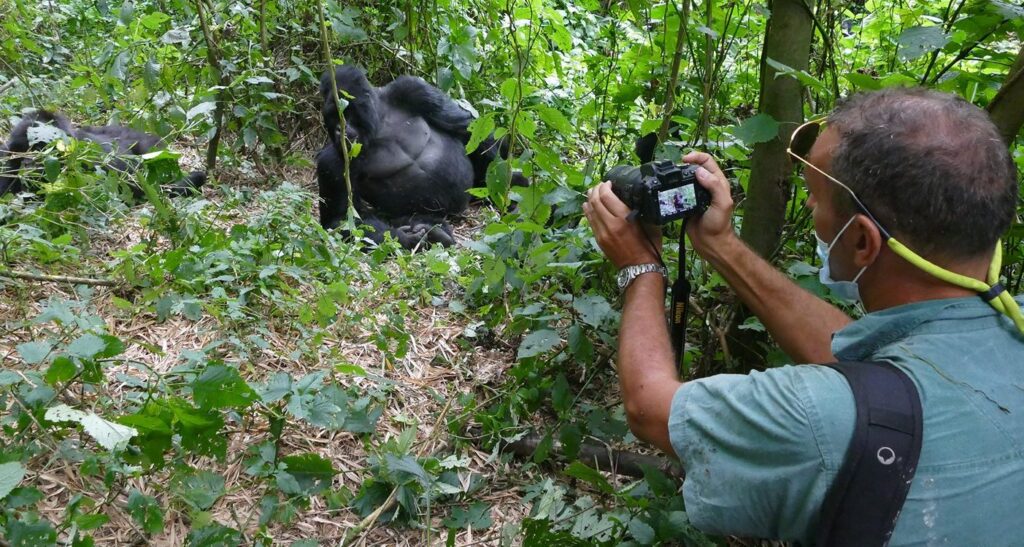
Gorilla trekking is physically demanding. Unlike casual nature walks, trails in Bwindi Impenetrable National Park in Uganda or Volcanoes National Park in Rwanda involve slippery paths, thick mud, sharp inclines, and dense undergrowth. Sneakers or sandals fail to provide the stability required to navigate such terrain safely. Sturdy, waterproof hiking boots protect ankles from sprains while offering excellent traction. Trekking for several hours on wet volcanic soils demands footwear that grips effectively while keeping feet dry and comfortable.
On a Rwanda Gorilla Trekking Safari or combined Kenya Safaris and Gorilla Trekking adventure, proper boots prevent unnecessary strain on knees and joints, enabling trekkers to hike long distances without compromising balance. In essence, well-chosen hiking boots serve as both protection and performance equipment, allowing adventurers to explore rainforests confidently.
Waterproofing: Staying Dry in Rainforest Conditions
Rainforests are humid, wet, and unpredictable. During peak trekking seasons, light showers or sudden downpours are common. Waterproof boots are essential for maintaining foot health and preventing blisters, fungal infections, or discomfort during long treks. A Rwanda Gorilla Trekking Tour often involves several hours of walking on trails saturated with mud or running water. Boots that repel moisture allow trekkers to remain focused on observing gorillas rather than worrying about wet feet or slippery footing.
Additionally, high-quality waterproof boots provide insulation during early morning treks when temperatures at higher altitudes can drop significantly. For travelers on a combined Rwanda Gorilla Trekking and Kenya Safari, this level of preparation ensures consistent performance in both rainforest and savannah environments, enhancing comfort and overall trekking experience.
Ankle Support and Foot Protection
Mountain gorillas live in rugged, often steep landscapes. Ascending and descending uneven slopes requires footwear that protects against twisting injuries. Hiking boots with reinforced ankle support reduce the risk of sprains while offering stability when navigating rocks, roots, or slippery soil. Trekking for hours on such trails without proper support can result in fatigue, discomfort, or accidents that may disrupt a Rwanda Gorilla Trekking Safari.
In addition, the thick rubber soles of hiking boots shield feet from thorns, sharp stones, and insect bites, allowing trekkers to focus on observing gorillas safely. On a Kenya Wildlife Safaris and Gorilla Trekking combination trip, ankle support is equally crucial when moving through savannahs or rocky pathways, making boots versatile for all terrains encountered during East African wildlife experiences.
Traction: Navigating Slippery Terrain Safely
Rainforest trails are inherently slippery due to mud, fallen leaves, and flowing streams. Hiking boots with deep, non-slip tread patterns offer superior grip on these surfaces. During a Rwanda Gorilla Trekking Safari, trekkers may encounter muddy ascents and steep descents that require stable footing. Without proper traction, even short treks can become exhausting or dangerous. High-traction boots ensure efficient energy use, reducing the effort needed to maintain balance.
For trekkers combining gorilla trekking with Kenya Safaris and Gorilla Trekking, these boots remain essential when transitioning from rainforest slopes to semi-arid savannah trails, guaranteeing safety and mobility across diverse East African landscapes. The right traction transforms challenging trails into manageable paths, allowing trekkers to fully enjoy gorilla encounters.
Layering Socks for Comfort and Blister Prevention
Proper sock selection complements hiking boots for long treks. Trekking socks should wick moisture away from the skin, while thicker outer layers provide cushioning and protect against blisters. Many experienced gorilla trekkers use thin, moisture-wicking inner socks paired with thicker cotton or wool outer socks for maximum comfort. On a Rwanda Gorilla Trekking Tour, sock layering prevents friction during uphill climbs, descents, and hours of walking in muddy conditions.
Combined with waterproof boots, layered socks keep feet dry, warm, and well-protected, enhancing both performance and safety. For multi-destination trips like Rwanda Gorilla Trekking and Kenya Safari, layered socks adapt to varying climates, ensuring comfort from humid rainforest floors to cooler, elevated volcanic slopes. Proper sock preparation is as essential as footwear for a safe and enjoyable gorilla trekking adventure.
Breaking in Your Boots Before the Trek
New hiking boots can cause discomfort or blisters if worn for extended treks without prior use. Breaking in boots at home or on local hikes ensures they fit comfortably and allow natural foot movement. Trekking through Bwindi Impenetrable or Volcanoes National Park without this preparation risks pain, chafing, and a compromised Rwanda Gorilla Trekking Safari experience. Properly fitted, broken-in boots prevent distractions during the trek, allowing visitors to focus on gorilla behavior, photography, and the surrounding ecosystem.
For combined adventures like Kenya Wildlife Safaris and Gorilla Trekking, broken-in boots remain reliable across multiple terrains, ensuring consistent support and comfort throughout the journey. Planning ahead with well-prepared boots enhances both safety and enjoyment during your East African wildlife adventure.
Optional Gear to Complement Hiking Boots
Several additional gear choices optimize safety and comfort alongside hiking boots. Knee-high gaiters prevent water, mud, and insects from entering boots, especially during rainy treks. Trekking poles provide extra balance on uneven terrain, reducing knee strain during steep climbs or descents. Hydration packs allow hands-free water access, maintaining energy and focus throughout hours on the trail.
On a Rwanda Gorilla Trekking Safari or Rwanda Gorilla Trekking and Kenya Safari, combining these accessories with high-quality boots ensures trekkers can safely navigate rainforest trails, observe habituated gorilla families, and enjoy cultural experiences around nearby lodges without disruption. Investing in proper gear demonstrates commitment to both personal safety and conservation ethics, supporting responsible wildlife tourism practices.
Cultural and Lodge Experiences Around Trekking Trails
Gorilla trekking is not only about wildlife it’s also about connecting with local communities and understanding cultural heritage. Many lodges in Uganda and Rwanda offer curated cultural tours, traditional dance performances, and local craft workshops. Proper footwear allows travelers to move comfortably between trekking trails and lodge experiences. For example, Rwanda Gorilla Trekking Safari lodges often organize village walks, coffee plantation tours, or traditional cooking classes.
These experiences provide context about the people protecting gorilla habitats while allowing safe movement through varied terrain. On combined itineraries like Kenya Safaris and Gorilla Trekking, proper boots enable exploration of both rainforest paths and savannah lodge surroundings, creating a seamless and enriching safari experience.
Choosing the Right Shoes for Gorilla Trekking
What shoes should I wear for gorilla trekking? is one of the most critical for any adventurer. Sturdy, waterproof hiking boots with ankle support, high-traction soles, and layered socks create a safe, comfortable, and immersive trekking experience. From the dense rainforest trails of Uganda’s Bwindi Impenetrable National Park to Rwanda’s accessible Volcanoes National Park, proper footwear ensures trekkers can focus on the incredible opportunity to witness mountain gorillas in their natural habitat.
Combined with optional gear, broken-in boots, and cultural engagement around safari lodges, the right shoes elevate a Rwanda Gorilla Trekking Safari, Rwanda Gorilla Trekking and Kenya Safari, or Kenya Wildlife Safaris and Gorilla Trekking adventure into a safe, unforgettable, and professionally executed journey.