Uganda and Rwanda Gorilla Permit Availability – Planning Your Unforgettable Safari
November 18, 2025
What Is the Safest Country for Gorilla Trekking? Choosing a Safe Destination for Gorilla Trekking
November 18, 2025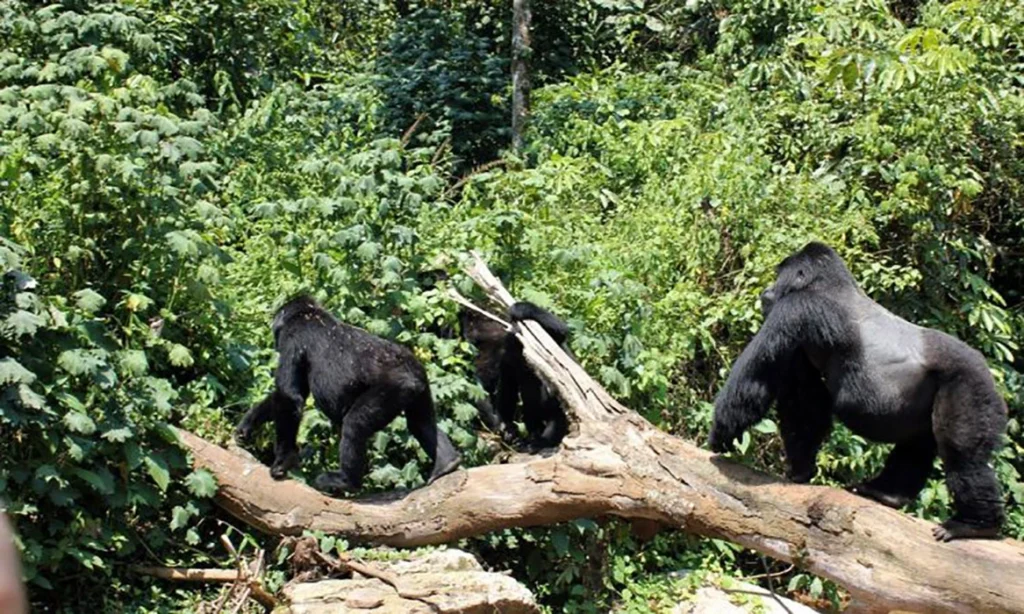
What Is the Age Limit for Gorilla Trekking? Understanding Age Limits for Gorilla Safari
When planning a Rwanda Gorilla Safari, a Rwanda Gorilla Trekking Tour, or a combined Rwanda Gorilla Trekking and Kenya Safari, one of the most frequently asked questions is: What is the age limit for gorilla trekking? Gorilla trekking in Rwanda, Uganda, and other parts of East Africa is a physically and mentally demanding activity. It requires a level of maturity, patience, and understanding of conservation rules to ensure a safe and meaningful encounter with mountain gorillas. Children under a certain age are not permitted on treks because they are more susceptible to illness and may inadvertently disturb the gorillas, which are extremely sensitive to human diseases.
Mountain gorillas inhabit fragile ecosystems, and authorities strictly regulate human interaction to protect these critically endangered species. Rwanda, Uganda, and the Democratic Republic of Congo have implemented age restrictions to preserve gorilla safety while allowing responsible tourism to thrive. The recommended minimum age ensures that trekkers can follow instructions from experienced guides, maintain proper distance from gorilla families, and contribute positively to conservation efforts during Rwanda Gorilla Safaris or Kenya Wildlife Safaris. Understanding these limits is essential for families planning immersive wildlife experiences in East Africa.
Why Children Under 15 Are Restricted from Gorilla Treks
The minimum age for gorilla trekking in Rwanda and Uganda is 15 years. Children younger than 15 are not permitted to participate in gorilla trekking due to health, safety, and conservation reasons. Young children may carry infectious diseases, even if they appear healthy, and gorillas are particularly vulnerable to human illnesses. A single cough or cold could severely affect a mountain gorilla family. Authorities prioritize the well-being of these endangered species while providing unforgettable experiences for responsible tourists.
In addition, treks often involve long hikes through steep, muddy, and densely forested terrain. Children under 15 may lack the endurance, focus, and understanding required for safe navigation. Trekkers need to remain quiet, follow guide instructions, and maintain safe distances from the gorillas. These guidelines ensure that both visitors and gorillas enjoy a harmonious encounter. Families planning a Rwanda Gorilla Trekking Safari can still involve younger children in cultural excursions, lodge activities, and guided forest walks around Volcanoes National Park, creating enriching experiences for all ages while respecting wildlife protection rules.
Physical and Mental Requirements for Gorilla Trekking
Gorilla trekking is more than a casual hike; it demands moderate to high levels of physical fitness and mental discipline. Trekkers spend several hours navigating rugged trails through dense rainforest and steep volcanic slopes. Children under 15 may not yet possess the stamina or attention span required to remain calm and follow precise instructions during these intensive treks. By limiting participants to individuals aged 15 and above, conservation authorities ensure that each visitor can safely engage in the experience, minimize risks, and maintain a quiet, controlled environment around gorilla families.
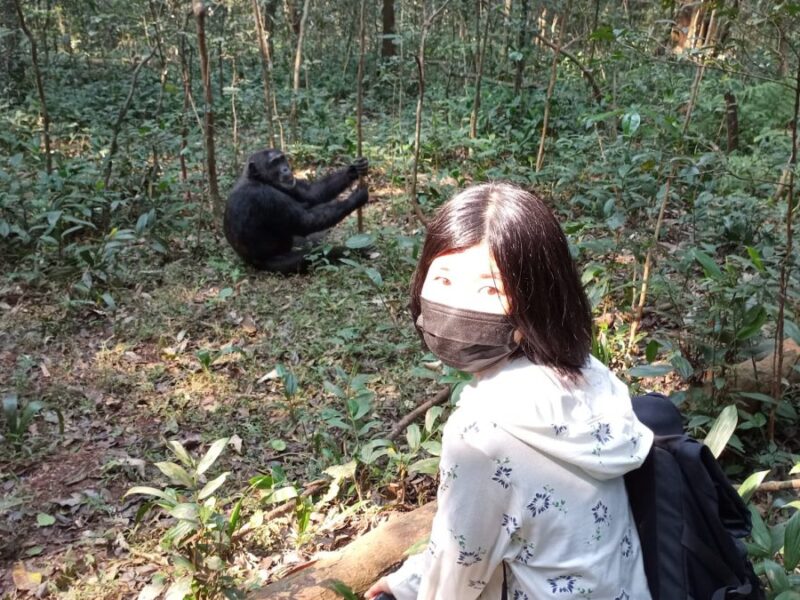
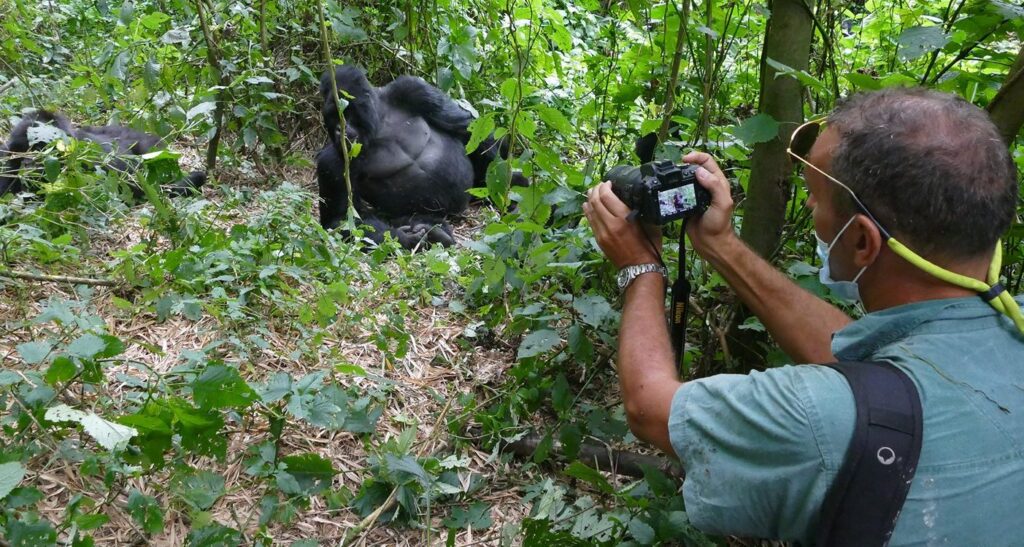
Beyond physical readiness, mental maturity plays a crucial role. Trekkers must comprehend the importance of silence, avoid sudden movements, and respect the personal space of gorillas. They also need to follow sanitation protocols, such as wearing masks when required, to prevent disease transmission. The age limit safeguards both the animals and the visitors, creating a meaningful Rwanda Gorilla Trekking Tour experience that emphasizes conservation, respect, and education. This approach positions Rwanda, Uganda, and other gorilla habitats as globally responsible destinations for wildlife tourism.
Cultural and Educational Experiences for Younger Children
While children under 15 cannot participate directly in gorilla trekking, many lodges and safari operators offer educational and cultural experiences nearby. Families can explore local Rwandan or Ugandan villages, participate in traditional dance performances, visit artisan workshops, or learn about coffee and tea plantations surrounding Rwanda Gorilla Trekking Safaris. These activities provide immersive cultural experiences without compromising the safety of the gorillas.
Children can also observe wildlife from lodge grounds or participate in short guided forest walks where interactions with smaller, non-endangered species are possible. These activities nurture appreciation for conservation from an early age. For instance, lodges near Volcanoes National Park offer batwa community visits, storytelling sessions, and local craft workshops. Engaging younger children in these cultural experiences ensures the family’s safari remains enriching while adhering to international wildlife protection standards, combining education, adventure, and sustainability.
Gorilla Trekking Safety Protocols and Age Restrictions
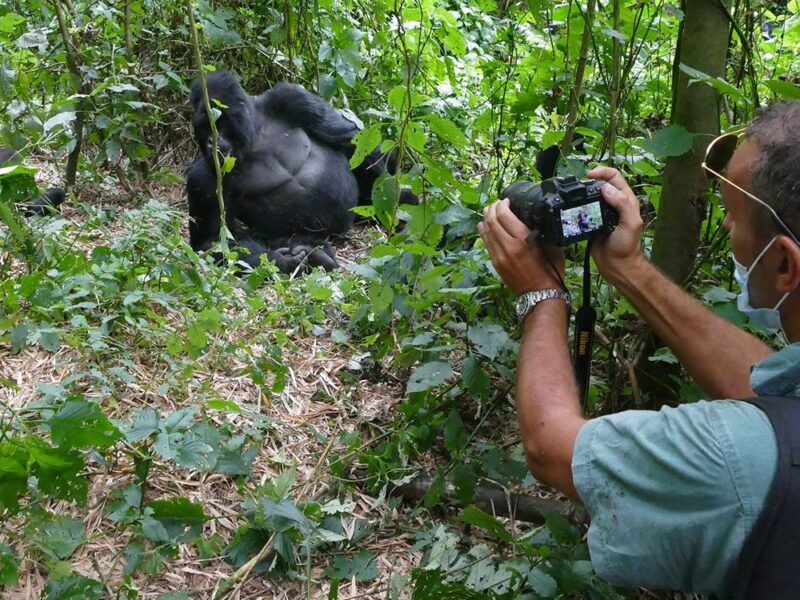
Conservation authorities enforce strict safety and health protocols for gorilla trekking. Masks may be required to prevent transmission of respiratory diseases, and groups are limited to eight trekkers per gorilla family. Children under 15 are more likely to forget or disregard these protocols, increasing risks for both themselves and the gorillas. This age restriction maintains the integrity of Rwanda Gorilla Tours and similar experiences in Uganda and the DRC.
Guides provide detailed briefings before each trek, emphasizing hygiene, safety, and behavior around gorilla families. Participants must listen carefully, follow instructions, and remain calm during interactions. By setting a minimum age of 15, authorities ensure that visitors can comply with guidelines, enhancing the safety, sustainability, and enjoyment of the trek. For families, understanding these rules helps plan trips effectively and identify age-appropriate alternatives, ensuring that younger children remain engaged while adults experience the transformative encounter of a Rwanda Gorilla Trekking Safari.
The Transformative Experience of Gorilla Trekking
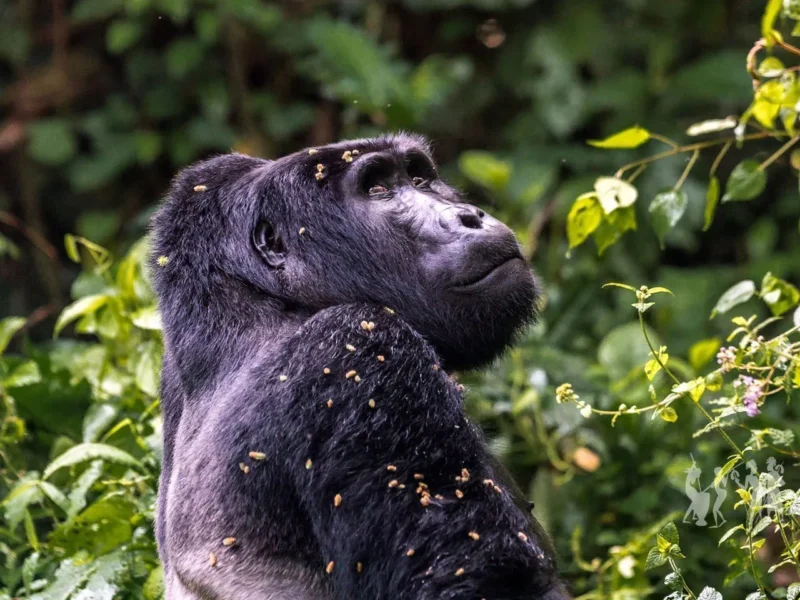
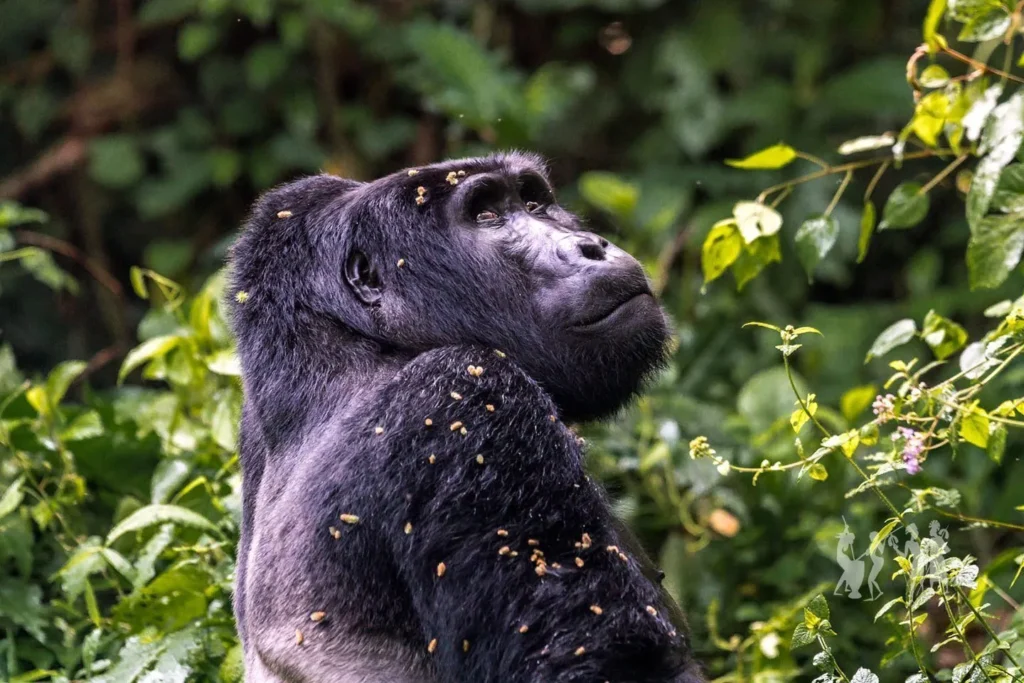
Gorilla trekking is a life-changing adventure that connects visitors with nature, wildlife, and conservation efforts. For eligible trekkers aged 15 and above, the experience provides profound insights into gorilla behavior, social dynamics, and intelligence. Watching a silverback gorilla interact with its family, seeing mothers nurture infants, and observing playful juveniles creates emotional memories that last a lifetime.
The exclusivity of limited group sizes and strict age restrictions ensures intimate encounters that respect the gorillas’ natural behavior. Trekkers feel a deep sense of accomplishment, knowing they are contributing to conservation efforts through responsible tourism. Combining Rwanda Gorilla Trekking with Kenya Safaris or Kenya Safari and Gorilla Trekking experiences amplifies adventure, allowing visitors to observe diverse ecosystems, predators, and savannah wildlife alongside rainforest primates. Proper preparation, adherence to age limits, and respect for park rules create safe, unforgettable, and ethically responsible safari experiences.
Planning a Family-Friendly Gorilla Safari
Families can strategically plan visits to accommodate children under 15 while adults participate in gorilla trekking. Lodges near Volcanoes National Park, Mgahinga Gorilla National Park, or Bwindi Impenetrable National Park often provide activities tailored to younger guests. These can include guided nature walks, wildlife observation platforms, cultural interactions with Batwa communities, and storytelling sessions highlighting conservation efforts.
For older children, combining multiple safaris across Rwanda and Kenya offers educational and adventurous experiences. Adults can participate in Rwanda Gorilla Trekking Tours, while children engage in lodge-based programs, nature trails, and cultural activities. This approach ensures that families maximize time in East Africa without compromising gorilla safety or violating regulations. Well-planned itineraries create balance, offering both transformative wildlife encounters and cultural enrichment, reinforcing your expertise in Rwanda Gorilla Safaris, Kenya Wildlife Safaris, and responsible tourism practices.
Respecting Age Limits Enhances Gorilla Trekking Experiences
The minimum age requirement of 15 years for gorilla trekking safeguards both visitors and gorillas. It ensures that participants possess the maturity, physical capability, and understanding necessary for a safe, ethical, and unforgettable Rwanda Gorilla Trekking Safari or Uganda Gorilla Trekking Tour. Families can still involve younger children in lodge activities, cultural programs, and guided forest walks, creating enriching alternatives that complement adult trekking experiences.
Following age restrictions enhances conservation, reduces the risk of disease transmission, and maintains the quality of intimate wildlife encounters. Trekking responsibly allows visitors to observe, appreciate, and support endangered gorilla populations while promoting sustainable tourism. Planning in advance, understanding park protocols, and selecting appropriate activities ensures your Rwanda Gorilla Trekking Tour, Rwanda Gorilla Trekking and Kenya Safari, or Kenya Safari and Gorilla Trekking adventure remains safe, educational, and unforgettable. By respecting age limits, trekkers contribute to long-term conservation success while experiencing one of the most extraordinary wildlife encounters on Earth.