Is Uganda or Rwanda Better for Gorilla Trekking?
November 18, 2025
Rwanda Gorilla Trekking and Kenya Safari – The Ultimate East African Adventure
November 18, 2025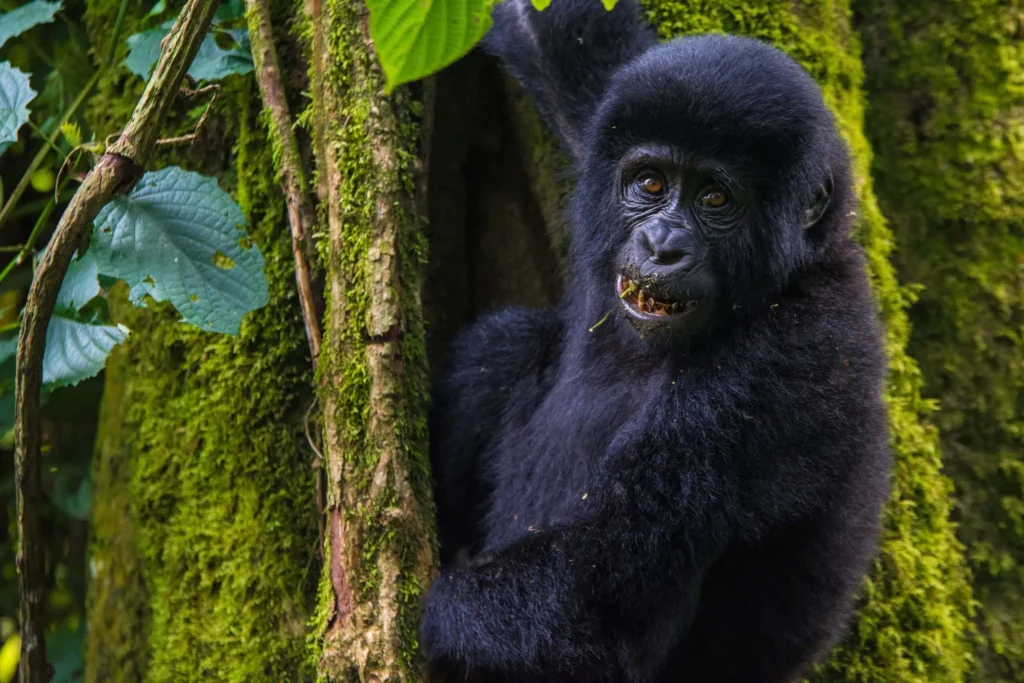
Is Uganda Safe for Gorilla Trekking? Why Safety Matters on Gorilla Treks
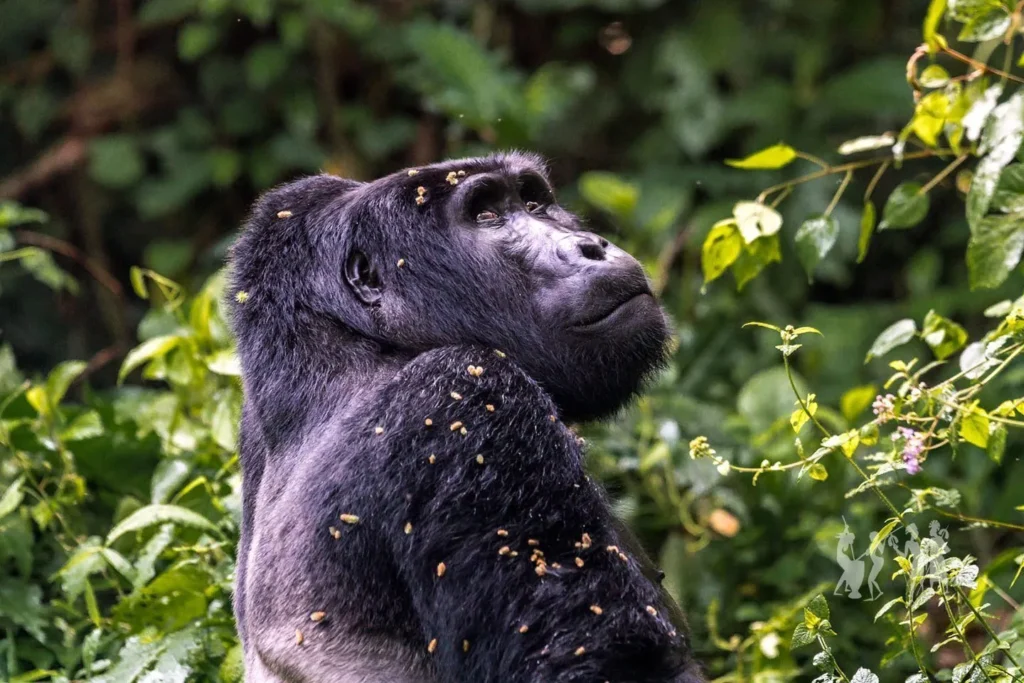
When planning a Rwanda Gorilla Safari, a Rwanda Gorilla Trekking Tour, or combining it with a Kenya Safari and Gorilla Trekking adventure, the first question on many travelers’ minds is: Is Uganda safe for gorilla trekking? Safety forms the foundation of an enjoyable wildlife encounter. Mountain gorillas inhabit some of the most remote rainforests in East Africa, yet both Uganda’s Bwindi Impenetrable National Park and Rwanda’s Volcanoes National Park have established rigorous safety measures to protect tourists and gorillas alike.
Experienced guides, constant ranger patrols, and structured trekking regulations ensure that visitors can explore these forests with confidence. Safety extends beyond wildlife encounters it includes health protocols, trail maintenance, emergency readiness, and cultural considerations around lodges. Understanding these systems helps travelers prepare for their Rwanda Gorilla Trekking Safari, enhancing both the adventure and conservation impact.
Park Security and Ranger Presence
Uganda’s national parks prioritize the protection of visitors and wildlife. Bwindi Impenetrable National Park maintains a visible ranger presence throughout trekking zones, actively monitoring trails and gorilla movements. These rangers coordinate with guides to manage groups, ensuring trekkers remain safe and within designated distances from gorillas. Volcanoes National Park in Rwanda operates similarly, combining well-maintained trails with expert park rangers who monitor habituated gorilla families and environmental conditions.
Both parks have a first-responder system in place for medical or wildlife emergencies, including rapid communication with nearby medical facilities. Visitors on a Rwanda Gorilla Trekking Safari or Kenya Wildlife Safaris and Gorilla Trekking experience can move through dense rainforest with confidence, knowing safety protocols are comprehensive, and expert guidance is continuous.
The Role of Experienced Guides
Every gorilla trekking party in Uganda or Rwanda is accompanied by professional guides who are highly trained in both conservation and visitor safety. Guides not only navigate the trails but also educate travelers on gorilla behavior, appropriate observation distances, and park regulations. They ensure tourists maintain a quiet presence and avoid sudden movements that could stress the animals. During a Rwanda Gorilla Trekking Tour, guides manage pacing to accommodate all fitness levels, allowing breaks while keeping the group coordinated. On combined itineraries like Rwanda Gorilla Trekking and Kenya Safari, guides adapt to varying environments from volcanic landscapes to savannahs always prioritizing visitor safety. This expert accompaniment minimizes risks while maximizing the immersive experience of observing mountain gorillas in their natural habitat.
Health Protocols and Environmental Safety
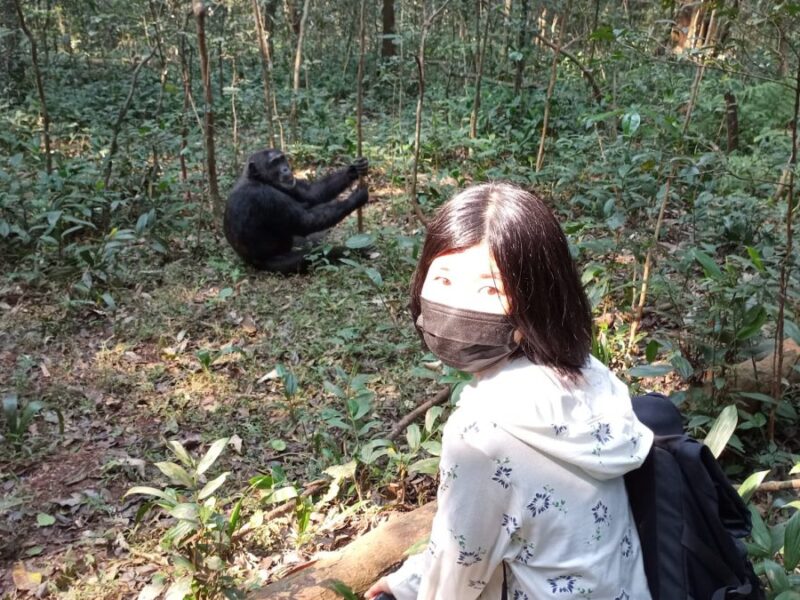
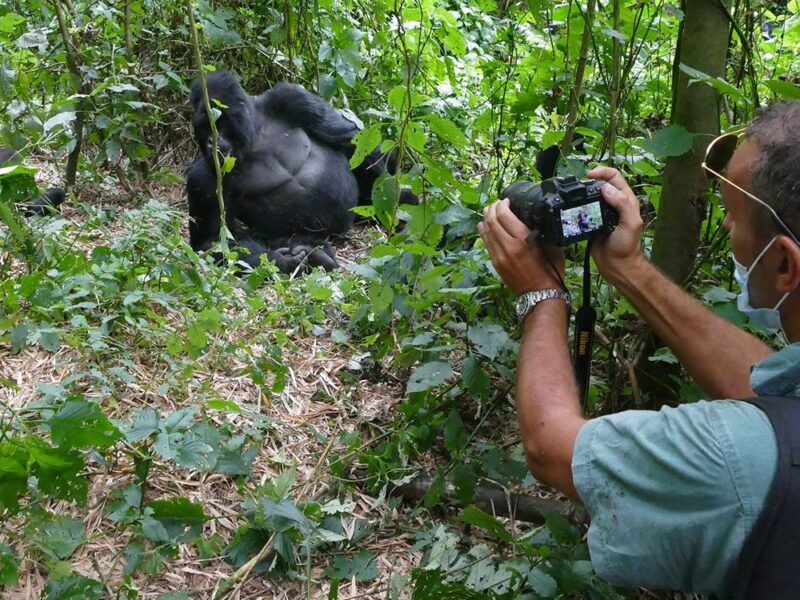
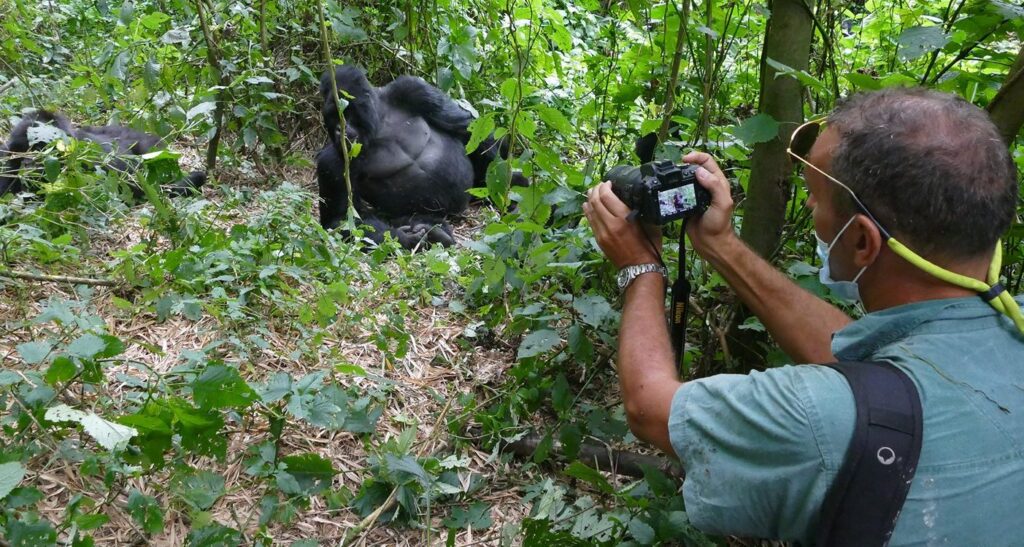
Gorilla trekking safety goes beyond physical protection. Both Uganda and Rwanda enforce strict health measures to prevent disease transmission between humans and gorillas. Visitors are often required to wear disposable masks when approaching gorillas, as these primates are highly susceptible to human respiratory infections. In addition, trekkers must stay at least seven meters away from the gorillas, follow hand hygiene practices, and avoid trekking if ill. Trails are regularly maintained to reduce the risk of slips, falls, or injuries. This combination of health and environmental safety ensures that Rwanda Gorilla Tours, Rwanda Gorilla Trekking Safaris, and Kenya Safaris and Gorilla Trekking are not only thrilling but also ethically responsible, protecting both tourists and critically endangered wildlife.
Cultural Considerations Around Gorilla Lodges
Safety also includes understanding cultural norms near trekking lodges and villages. Many Rwanda Gorilla Trekking Safari lodges collaborate with local communities, providing cultural tours that teach visitors traditional music, dance, and crafts while fostering respectful engagement. Observing local practices, asking permission before photographing community members, and respecting private lands all contribute to a safer and more rewarding experience. Guides and lodge staff often brief visitors on local customs, ensuring that interactions are culturally sensitive and harmonious. By integrating cultural awareness into safety planning, travelers enjoy a richer Rwanda Gorilla Trekking and Kenya Safari experience, connecting with both wildlife and human communities responsibly.
Managing Risks: Terrain and Trekking Challenges
Although Uganda is safe for gorilla trekking, visitors must prepare for physical challenges posed by rainforest terrain. Trails can be muddy, steep, and uneven, especially during rainy seasons. Trekking poles, waterproof boots, and layered clothing reduce the risk of slips and injuries. Guides continuously monitor weather and trail conditions, adjusting routes if necessary. Visitors on a Rwanda Gorilla Trekking Safari will encounter similar challenges, requiring stamina, awareness, and adherence to guide instructions. Trekking within safety protocols ensures that adventurers experience the beauty of the rainforest without compromising health or security, turning potential risks into manageable aspects of the journey.
Emergency and Communication Protocols
Both Bwindi Impenetrable National Park and Volcanoes National Park maintain robust communication networks for emergencies. Rangers carry radios to alert central command of any incidents, and guides are trained to administer first aid. In remote trekking areas, contingency plans ensure rapid transport to nearby medical facilities if necessary. For travelers combining gorilla trekking with Kenya Safaris and Gorilla Trekking, this infrastructure provides reassurance that, even in isolated regions, professional support is available. Safety planning extends to transportation, emergency lodging, and contingency protocols for adverse weather, ensuring visitors focus on the experience without undue concern.
Visitor Responsibility and Ethical Considerations
Safety is a shared responsibility. Visitors must respect park rules, stay with their group, and avoid interfering with gorilla behaviors. Using cameras silently, refraining from feeding wildlife, and following guide instructions contribute to a secure trekking environment. Travelers on Rwanda Gorilla Tours or Rwanda Gorilla Trekking Safaris who adhere to these guidelines not only protect themselves but also help conserve fragile ecosystems and habituated gorilla families. Ethical engagement enhances both visitor safety and wildlife preservation, reinforcing the authority and trustworthiness of East Africa as a premier wildlife tourism destination.
Uganda’s Safety Record for Gorilla Trekking
Uganda is exceptionally safe for gorilla trekking when visitors follow established guidelines. Bwindi Impenetrable National Park and Mgahinga Gorilla National Park, supported by experienced guides, vigilant rangers, and comprehensive health protocols, provide structured environments for wildlife observation. Volcanoes National Park in Rwanda complements this safety standard with accessible trails and expert support. Trekking tours like Rwanda Gorilla Trekking Safari, Rwanda Gorilla Trekking and Kenya Safari, and Kenya Wildlife Safaris and Gorilla Trekking ensure adventure is paired with security, cultural respect, and environmental responsibility. Visitors can focus on the extraordinary opportunity to observe mountain gorillas in their natural habitat, confident that their safety, health, and wellbeing are prioritized every step of the way.