How Many Days Do You Need for Gorilla Trekking?
November 6, 2025
How to Prepare for Gorilla Trekking in Uganda and Rwanda?
November 7, 2025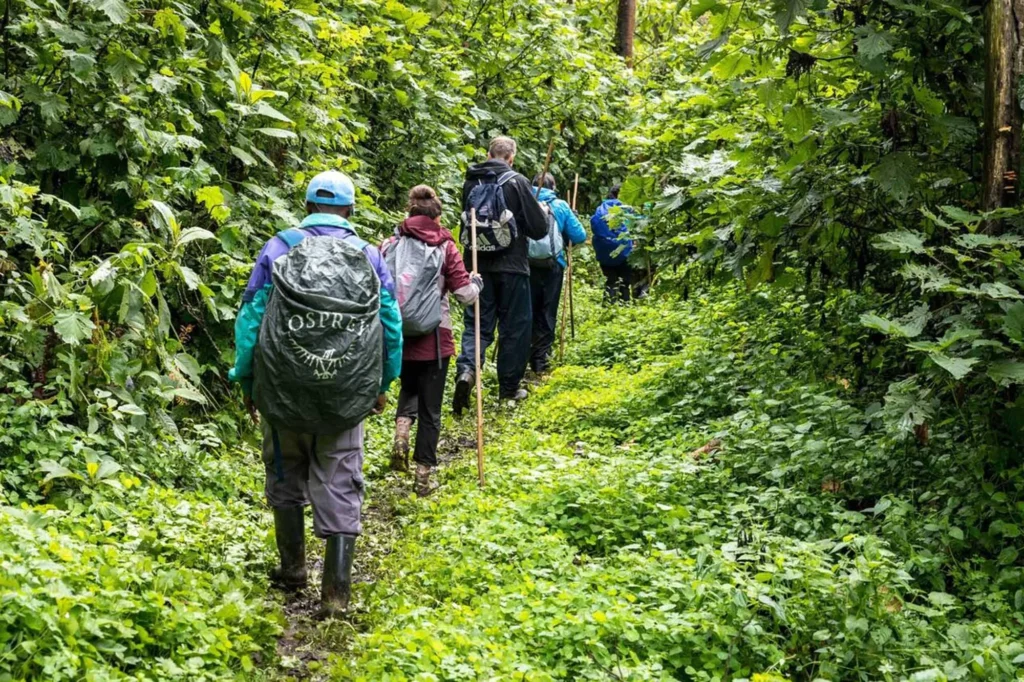
How to Dress for Gorilla Trekking Safari in Uganda and Rwanda
A Rwanda Gorilla Trekking Safari or a similar adventure in Uganda is more than a wildlife excursion is an immersive journey into the heart of Africa’s most pristine rainforests. How should I dress for gorilla trekking? Proper clothing and gear are essential for comfort, safety, and maximizing the experience. Trekking through dense vegetation, muddy trails, and steep slopes can take anywhere from two to eight hours. Preparing your wardrobe and equipment thoughtfully enhances both your comfort and safety while allowing you to fully enjoy encounters with mountain gorillas in their natural habitats. Beyond practicality, dressing appropriately demonstrates respect for wildlife and local conservation efforts.
Additionally, gorilla trekking connects visitors with local communities and supports conservation. Porters, guides, and lodge staff rely on tourism income to sustain their livelihoods and reduce poaching risks. Thoughtful preparation ensures a smooth Rwanda Gorilla Trekking Tour experience while also contributing to responsible tourism and the long-term protection of endangered species.
Clothing Essentials for Gorilla Trekking
Dressing for a Rwanda Gorilla Trekking Safari requires balancing comfort, protection, and camouflage within natural surroundings. Trekking clothing should blend seamlessly with the forest greens, browns, and greys work best. Bright colors, camouflage patterns, or animal prints should be avoided as they can disturb gorillas or violate park regulations. Lightweight, moisture-wicking fabrics are essential to manage humidity, sweat, and heat, while long-sleeved shirts and trousers protect against scratches from prickly vegetation, mosquito bites, and sun exposure.
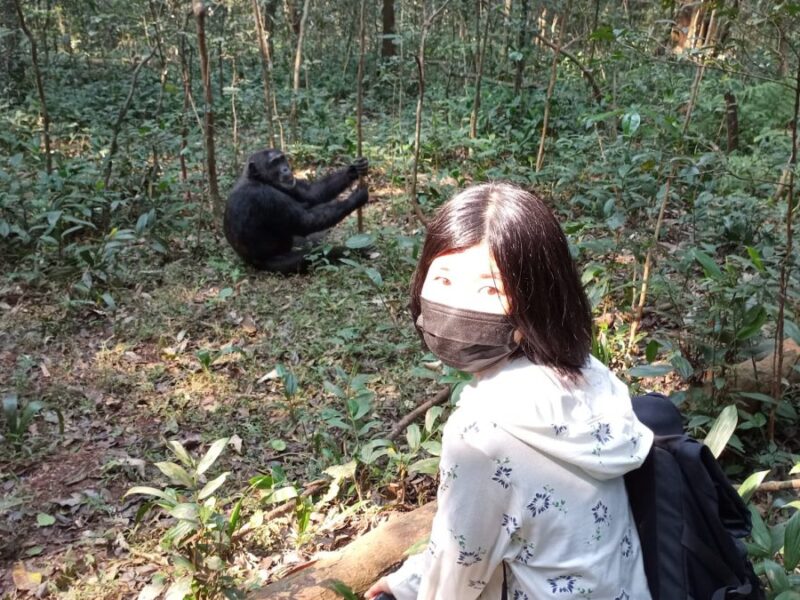
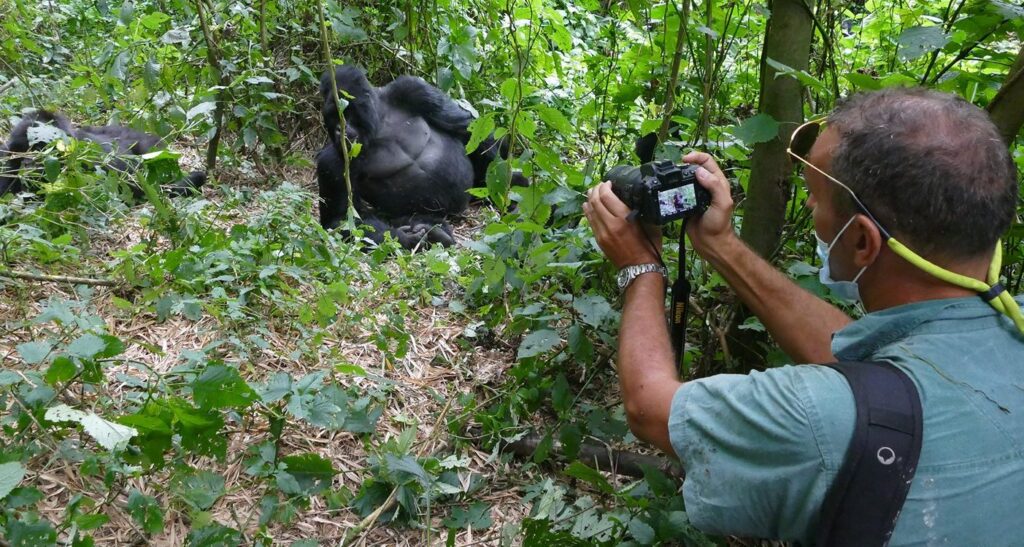
Footwear is critical. Invest in sturdy, waterproof hiking boots with strong ankle support. Trails are often muddy, steep, and slippery, and proper boots prevent injuries. Layering thin moisture-wicking socks under thicker cotton socks minimizes blisters and enhances comfort over long treks. Accessories like gardening-style gloves protect hands when gripping plants or bamboo stalks, while disposable masks, often provided by guides, safeguard gorillas from potential human-borne diseases. Preparing the right clothing ensures your Rwanda Gorilla Trekking Safari is comfortable, safe, and allows full immersion in the forest environment.
Gear and Practical Accessories for the Trek
Beyond clothing, specialized gear elevates the trekking experience. Trekking poles provide balance and stability on slippery or uneven terrain, particularly for first-time trekkers or those with moderate fitness levels. Knee-high gaiters protect trousers and boots from mud, stones, and moisture, keeping you dry during prolonged walks. A hydration system, such as a Camelbak water pouch, allows you to sip water while keeping your hands free, essential for maintaining energy at higher altitudes.
Carrying a light backpack is recommended to store snacks, rain gear, camera equipment, and other essentials. Consider hiring a porter to carry your pack; many local porters are former poachers who rely on tourism income for their families, creating direct positive conservation impact. Porters can also provide additional support during steep climbs, helping you complete your Rwanda Gorilla Trekking Safari comfortably. Thoughtful gear selection ensures every hour spent in the forest contributes to safety, enjoyment, and respect for the environment.
First-Time Gorilla Trekker Tips
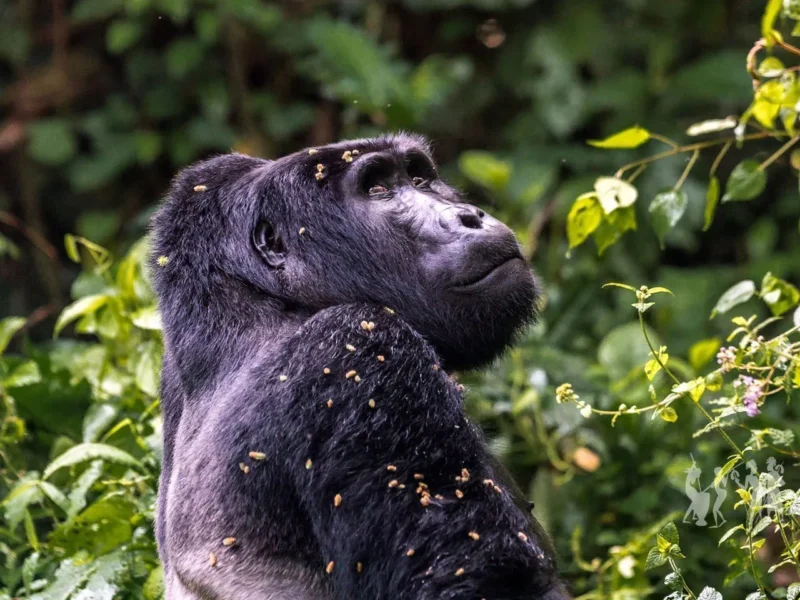
For first-time visitors, planning ahead ensures a smooth experience. Gorilla treks are led by professional guides and trackers, and locating a habituated family can take between two to eight hours. Guides maintain a manageable pace, allowing trekkers to rest and enjoy the surrounding rainforest. Once a gorilla family is located, tourists spend 40 minutes to one hour observing, maintaining a safe distance mandated by government regulations.
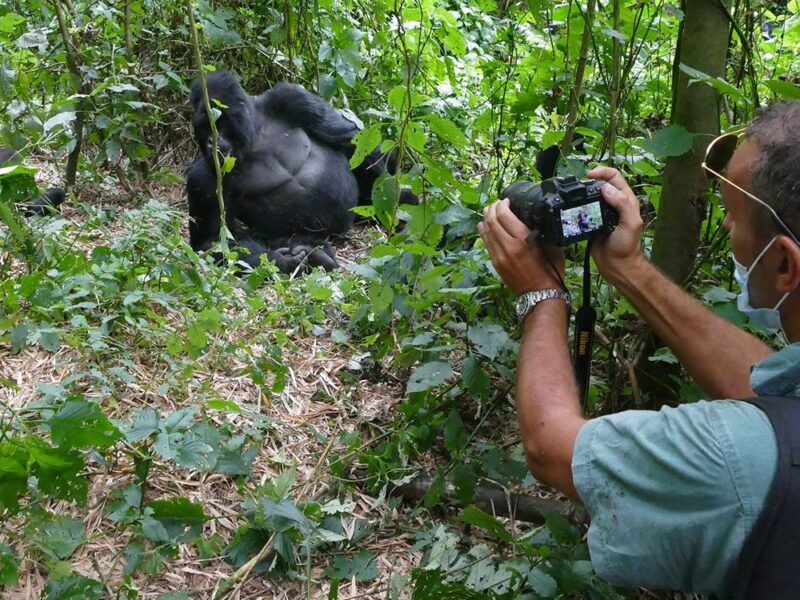
Photographing gorillas requires care: no flash or loud mechanical sounds should be used, as habituated gorillas are sensitive to disturbances. Observing subtle behaviors, gestures, and interactions enhances the emotional impact of the experience, creating lifelong memories. Expect insects and challenging conditions, which are part of the rainforest environment. Proper attire, lightweight packs, and strategic planning help you focus on the experience rather than discomfort, making your Rwanda Gorilla Trekking Safari both safe and unforgettable.
Cultural Experiences Around Gorilla Trekking Lodges
A Rwanda Gorilla Trekking Tour or Uganda safari is not just about wildlife—it is also about immersing yourself in local culture. Many lodges are situated near communities where visitors can experience traditional dances, music, and craft-making. Coffee plantation tours, village visits, and cooking classes enrich the safari experience while allowing trekkers to rest and recover from the physically demanding trek.
These cultural interactions create a holistic safari experience, connecting travelers to the region’s conservation and economic efforts. Tourism revenue supports local schools, healthcare, and sustainable livelihoods, incentivizing the protection of gorilla habitats. Combining trekking with cultural experiences enhances your understanding of East Africa, offering unique insights into daily life while promoting responsible tourism. A well-planned Rwanda Gorilla Trekking Safari balances adventure with community engagement, ensuring travelers leave a positive footprint.
Practical Packing Tips
Packing smart is critical for gorilla trekking, especially when flying on light aircraft to remote lodges. Limit luggage to essentials such as lightweight clothing, rain gear, sturdy boots, gloves, trekking poles, and a hydration system. Cameras, binoculars, and insect repellent are optional but highly recommended. Avoid unnecessary weight to comply with strict baggage restrictions while keeping yourself agile and comfortable during the trek.
If continuing your safari to other national parks, ask your tour operator to store extra luggage safely at your lodge or camp. Light packing maximizes mobility, ensures safety on steep trails, and allows you to respond flexibly to changing weather or trail conditions. Preparedness enhances every aspect of your Rwanda Gorilla Trekking Safari while reflecting your expertise and consideration as a responsible traveler.
Dressing Smart for an Unforgettable Gorilla Trekking Experience
Proper clothing and gear are the foundation of a successful Rwanda Gorilla Trekking Safari. Lightweight, moisture-wicking clothes in natural colors, sturdy waterproof boots, gaiters, trekking poles, and gloves ensure comfort, protection, and safety. Strategic preparation and mindful packing allow trekkers to navigate challenging rainforest terrain while minimizing fatigue and distractions. Supporting local porters enhances both safety and conservation impact.
Combining physical preparation with cultural experiences around your lodge enriches the journey, creating a holistic safari experience. Observing gorillas in their natural environment becomes more than a tour it is a transformative adventure that builds connection with wildlife, communities, and the land itself. Dressing appropriately ensures your Rwanda Gorilla Trekking Safari is memorable, safe, and contributes to the sustainable preservation of Africa’s most iconic wildlife.